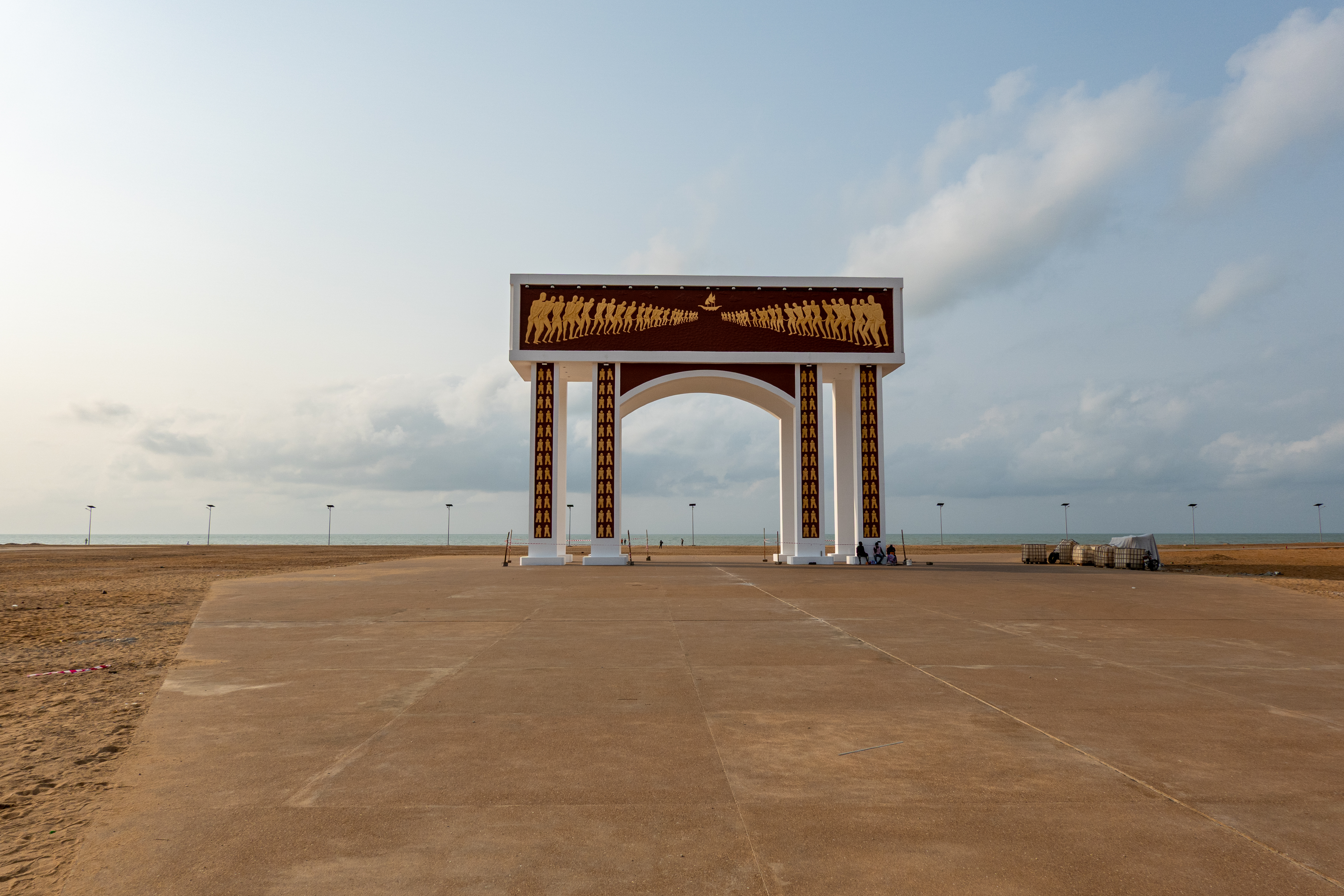
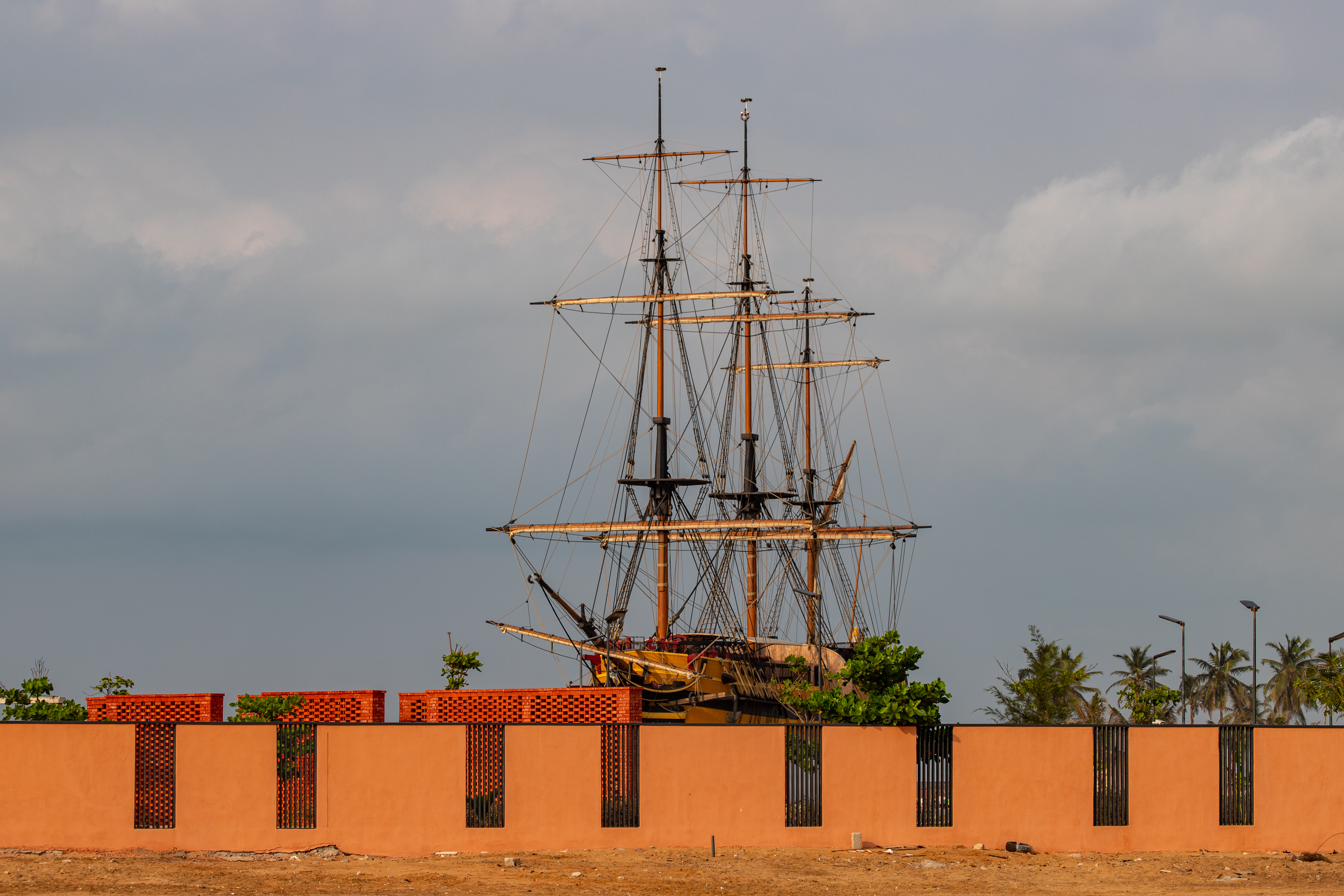
It was quite hot and humid when we exited our room this morning. Justin worried that this would be a repeat of Cambodia back in 2012, when his camera lenses were constantly fogged up and it was impossible to take photos. We grabbed a quick breakfast and then we got on our way. The coastal road by the hotel - and probably the hotel itself - were part of a recent building project intended to attract tourism to the Ouidah area. Compared to Togo, everything seemed to be a bit more modern looking, and bigger in scale.
|
|
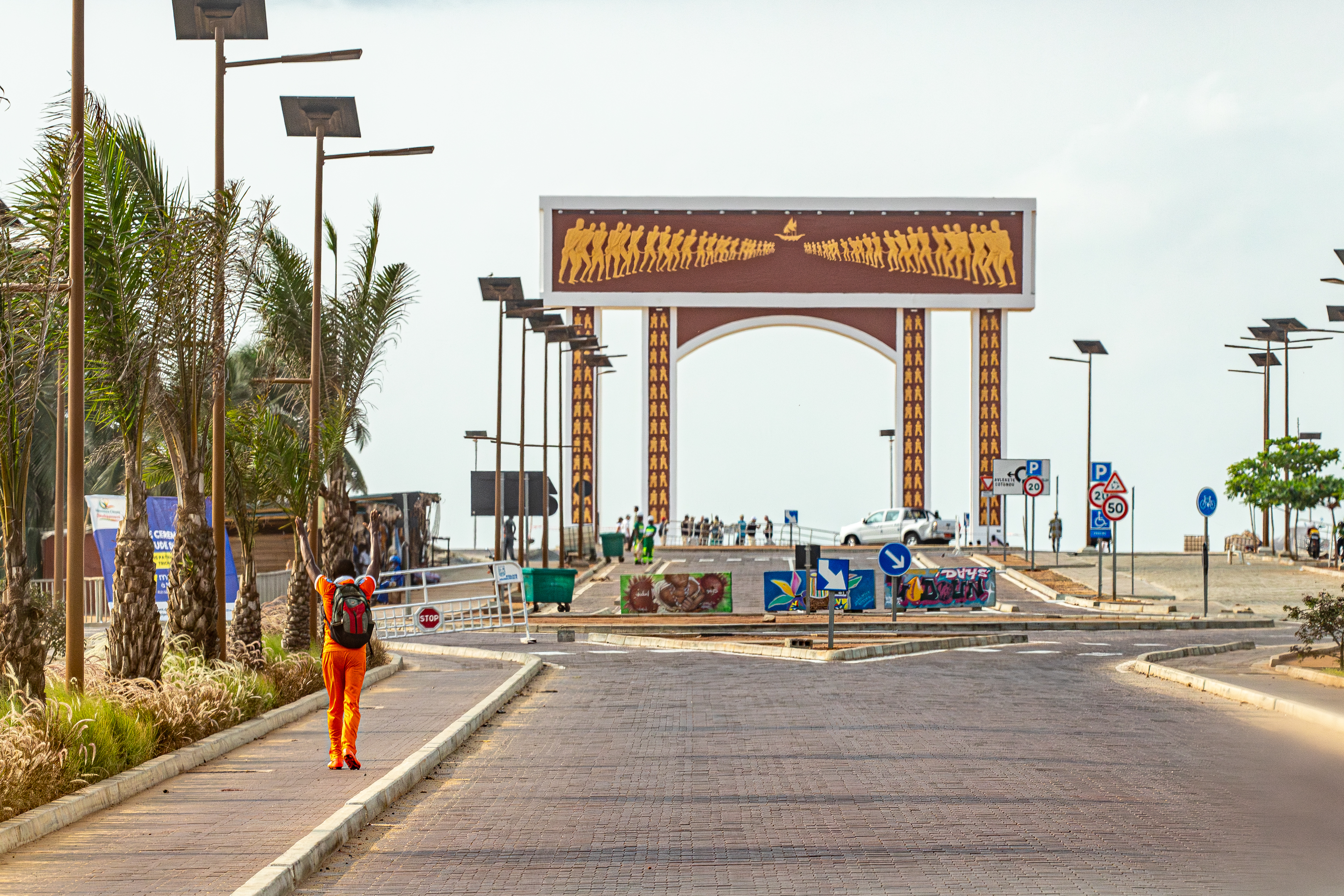
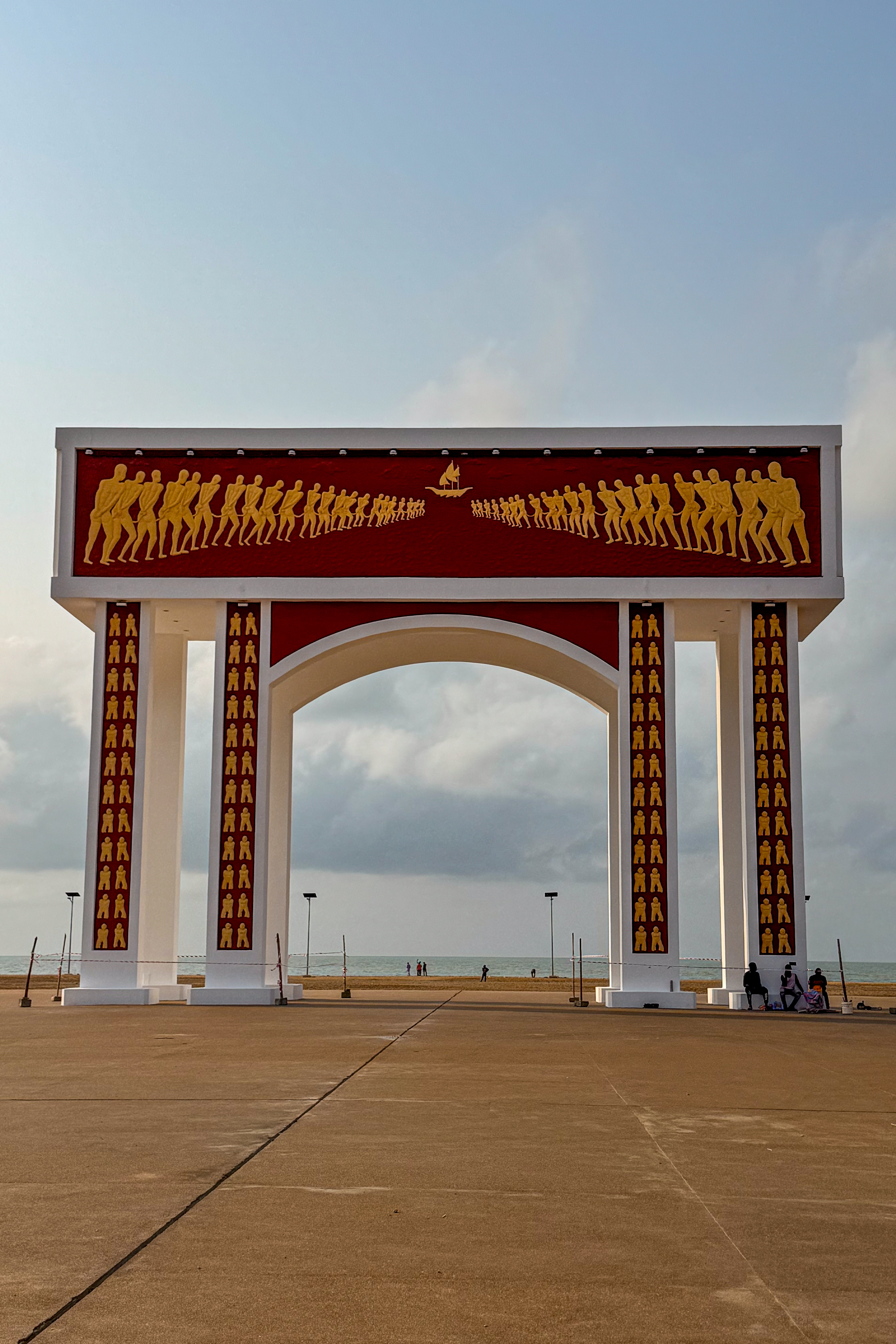
At the intersection of the beach road with the road inland to Ouidah, there was a huge “gate”, kind of like a big arch, symbolizing the point of no return. This is where, hundreds of years ago, slaves were loaded onto small ships that then went out a kilometer or so into the ocean to where the larger ships were docked. On either side of the gate/arch, there were depictions of slaves either going towards the water or coming towards the water.
 |
 |
Sena was very pragmatic regarding the description of the slave trade. He told us that many people have an (understandable) visceral reaction to anything and everything relating to the slave trade, but that things weren’t so cut-and-dry 500 years ago. The slave trade was something very dangerous but also very lucrative for Europeans, akin - but also very much not akin - to the Gold Rush in California or South Dakota. No one in West Africa really had any idea how the slaves were going to be treated in the New World. There had been “slavery” already in Africa and many parts of the world, usually for people trying to pay off debts and whatnot, and the Africans thought this is where the people were going - the Portuguese certainly didn’t attempt to give them the whole truth.
 |
 |
Apparently the trade started with the Europeans playing tricks, telling the local people that adolescents would be taken to Europe to be “interpreters.” When this cock-and-bull story stopped being believed, there started to be kidnapping, but this worked only right near the coast, as the Europeans had no ability to go inland safely, either from the tribes, the diseases, or both. The next progression was the Europeans giving weapons to Africans to wage wars against one another, such that one tribe could capture and enslave their POWs and trade them for more weapons and ammunition.
 |
 |
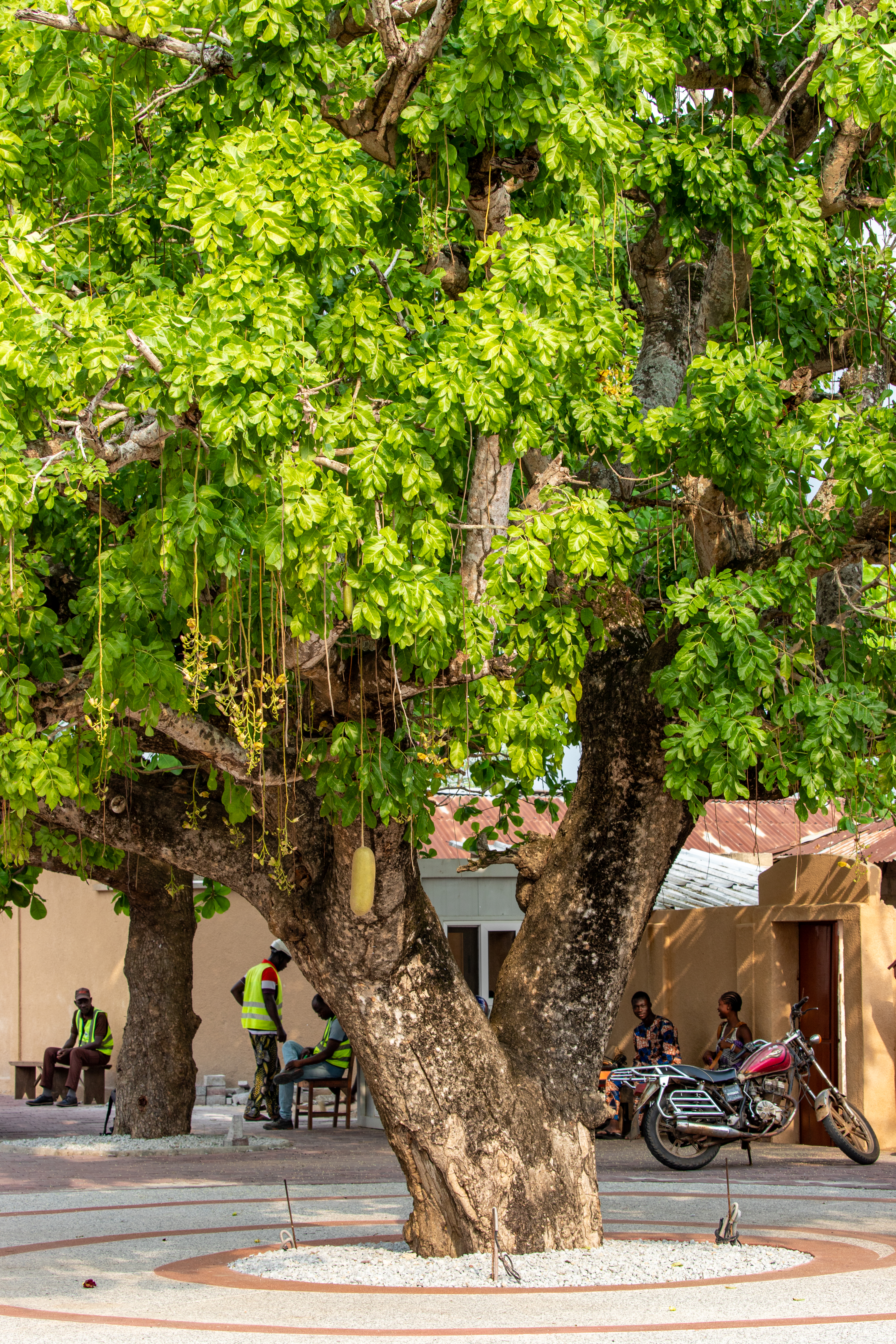
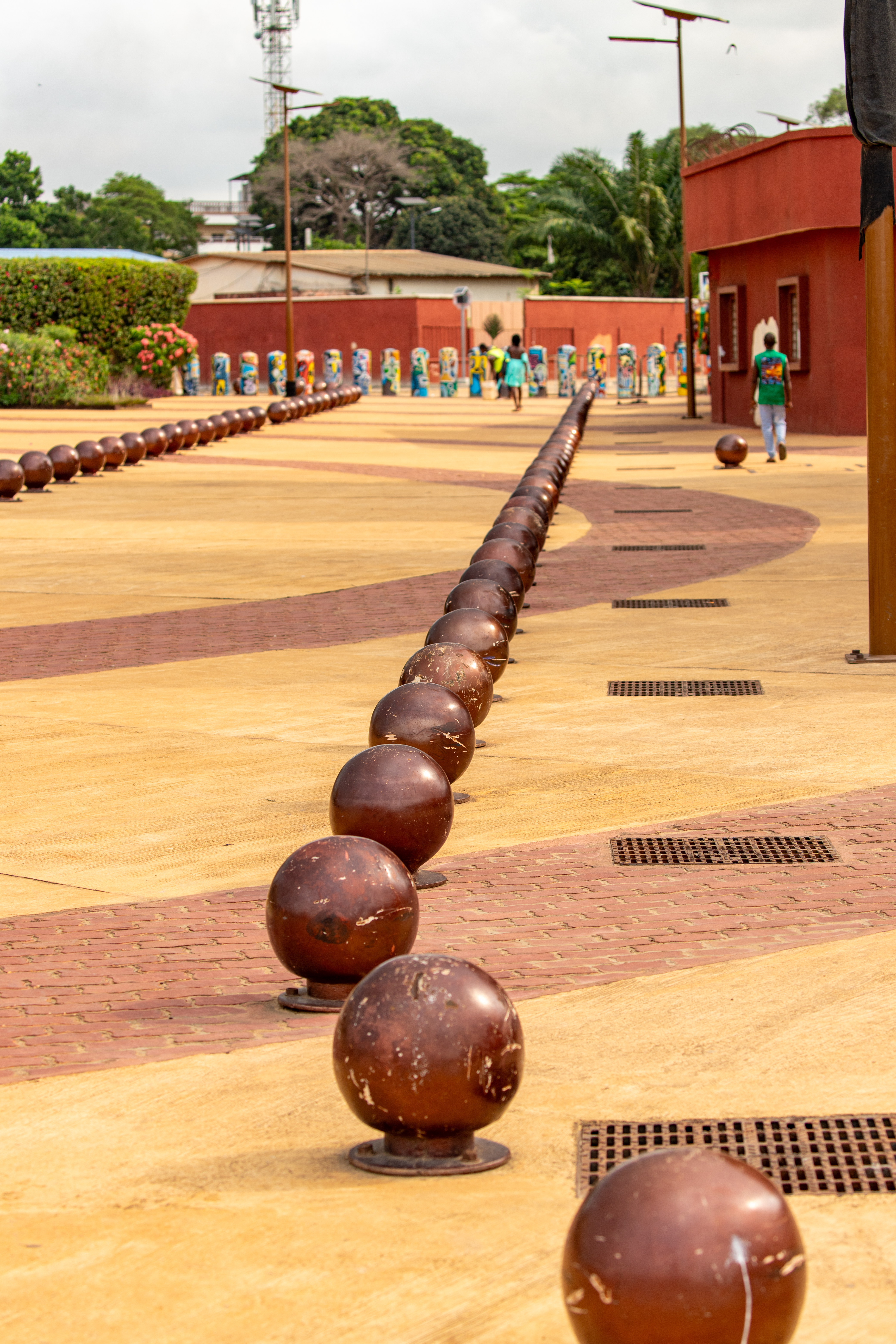
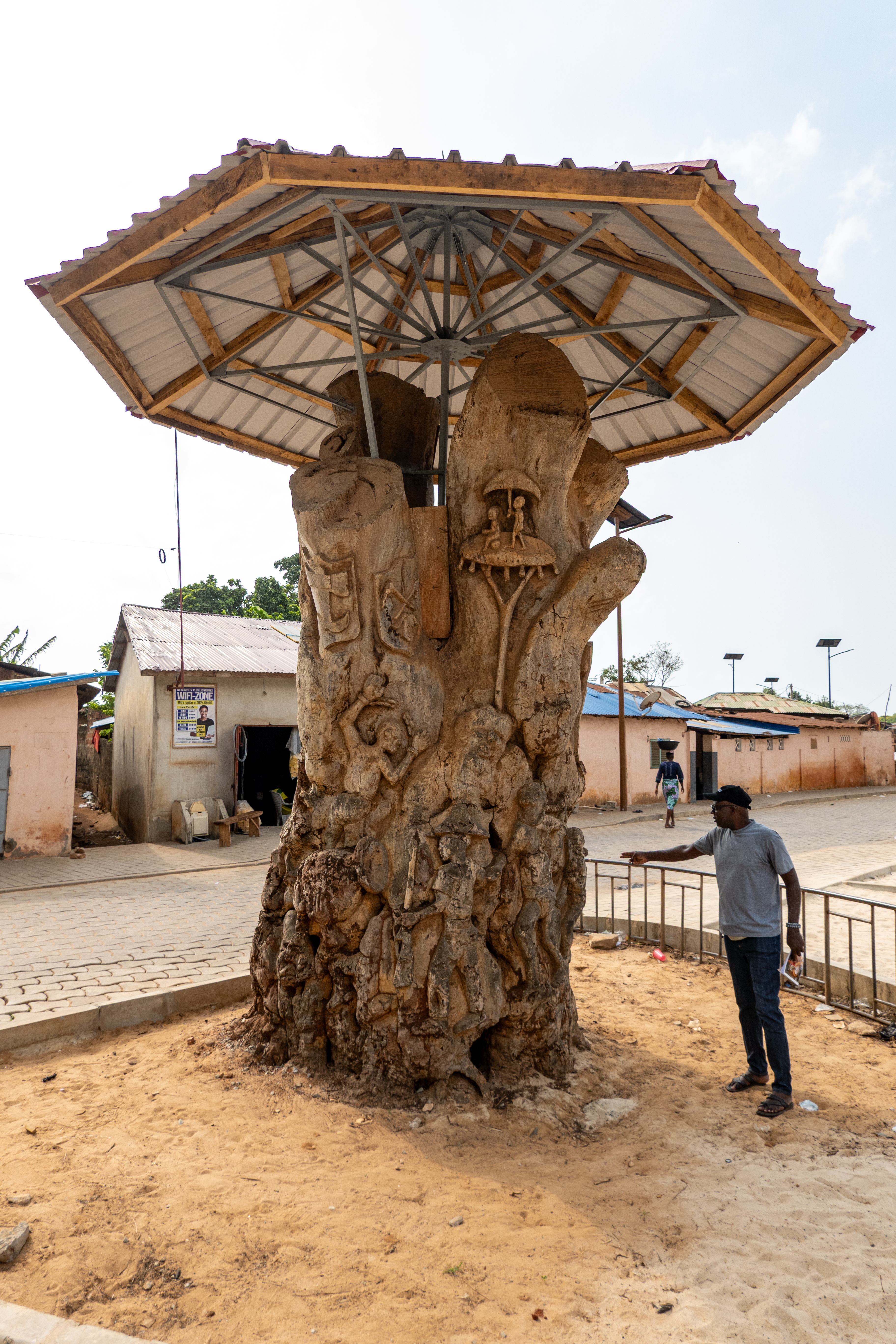
Obviously this was all horrific, and there were more bad actors involved than we knew. Sena mentioned that a couple hundred years from now, people would probably look at some things done in the late 1900s and early 2000s as absolutely insane. Justin immediately muttered under his breath “privatized health care.” We briefly got back in the vehicle to go to an area that was heavily under construction, but included a “tree of remembrance” - specifically a Kigelia africana. In this same area was a mass graveyard for slaves that passed away whilst waiting for ships to come. Sena told us that the construction project should be done soon, and is being done in the hopes of attracting more tourists to the area.
 |
 |
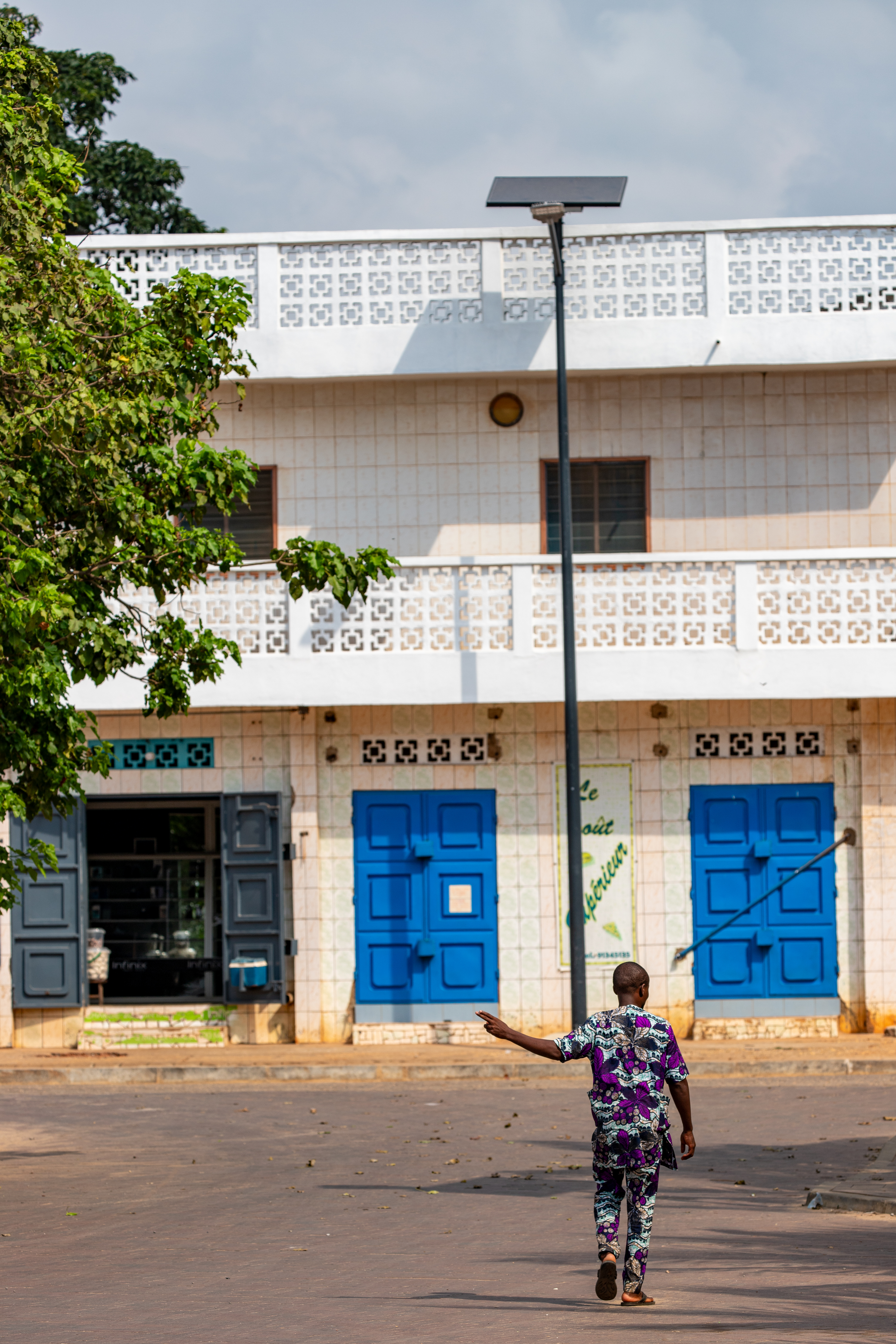
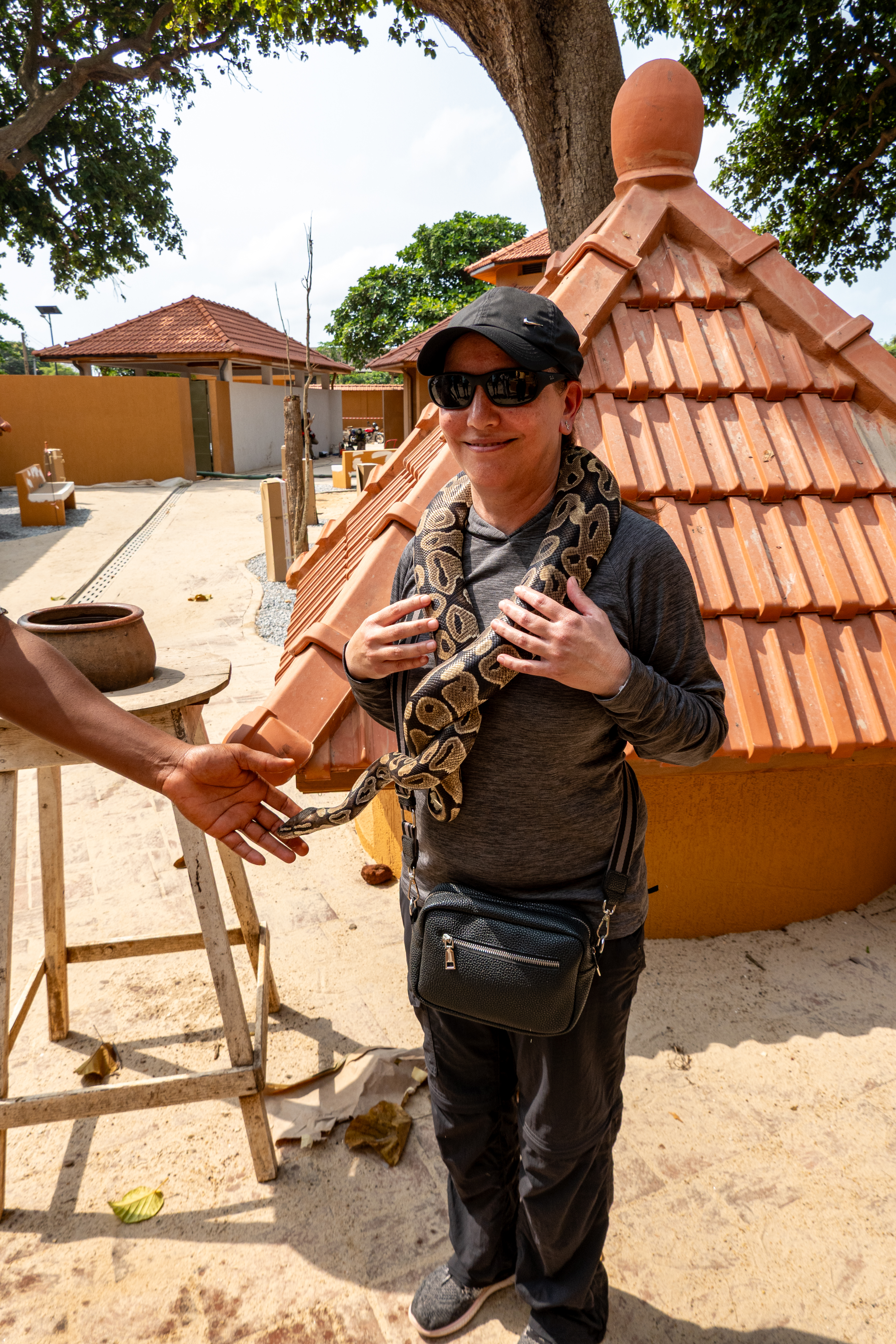
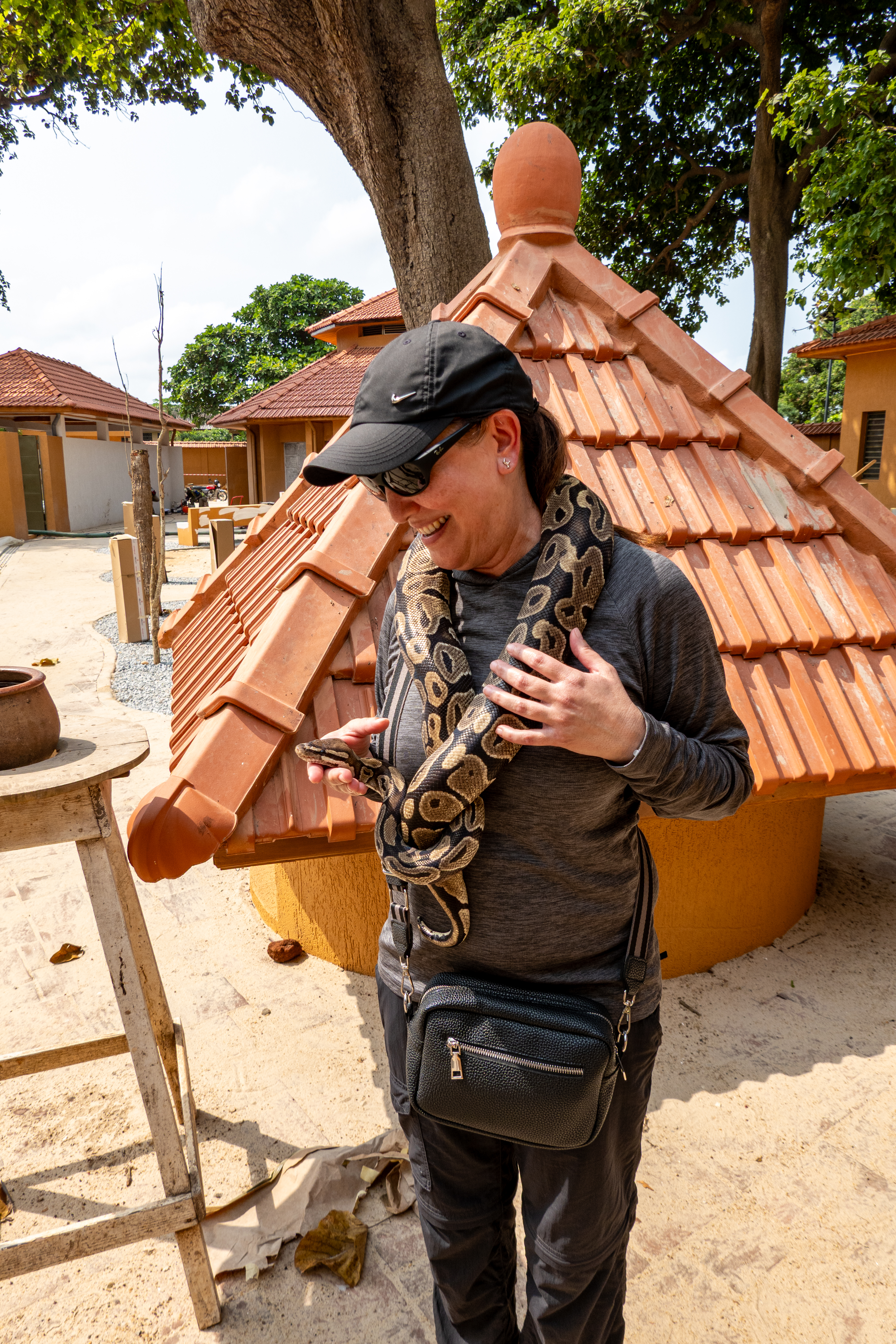
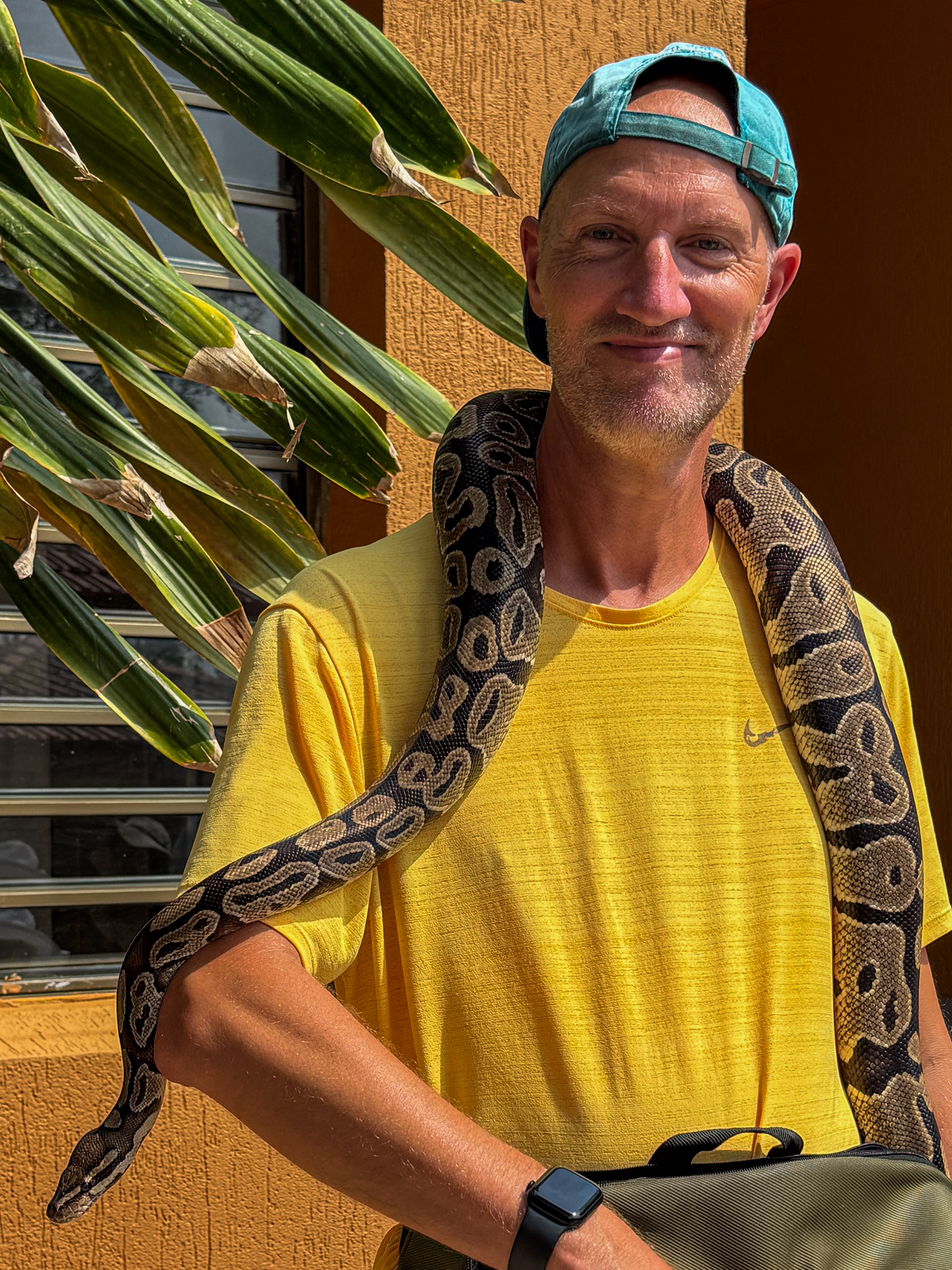
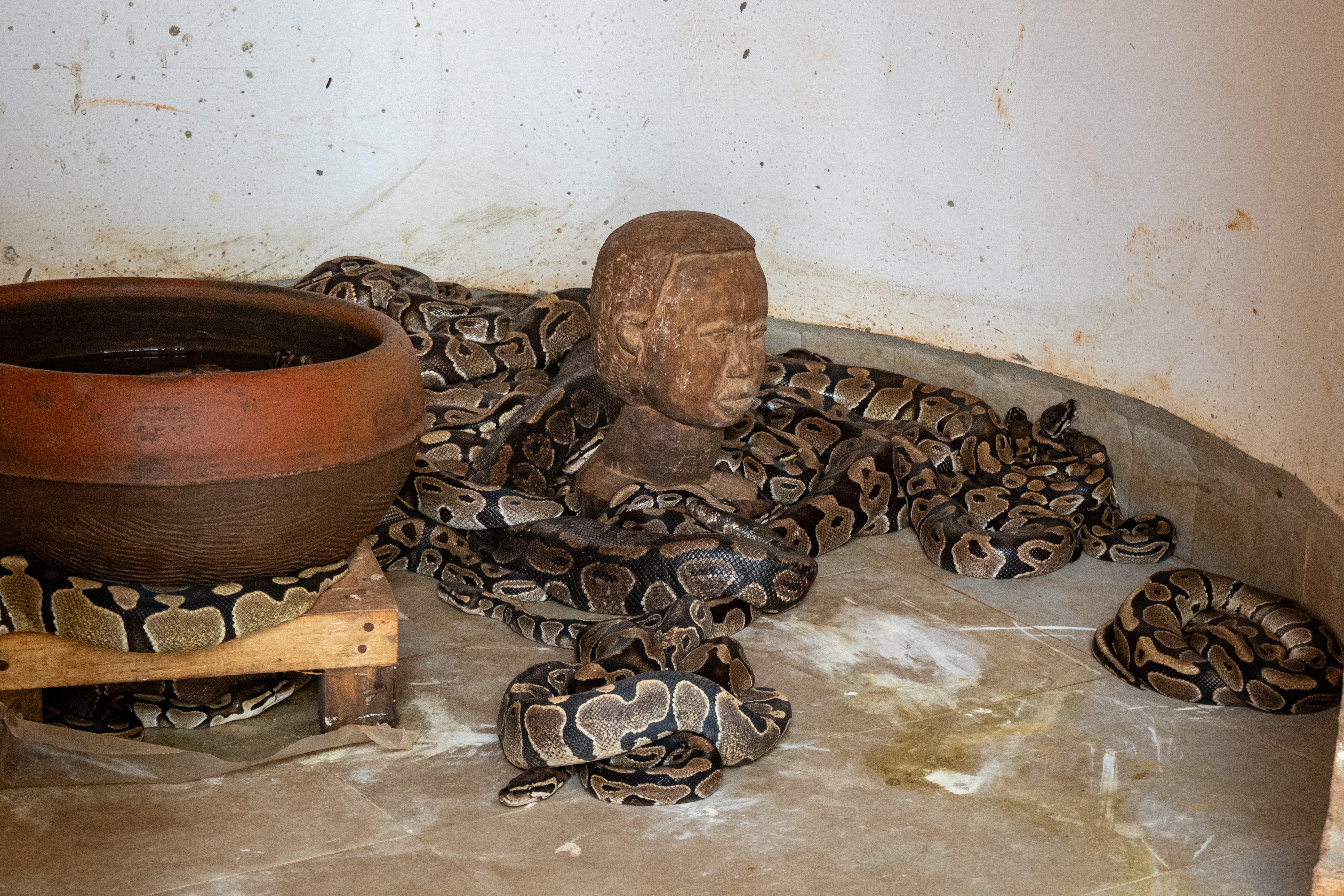
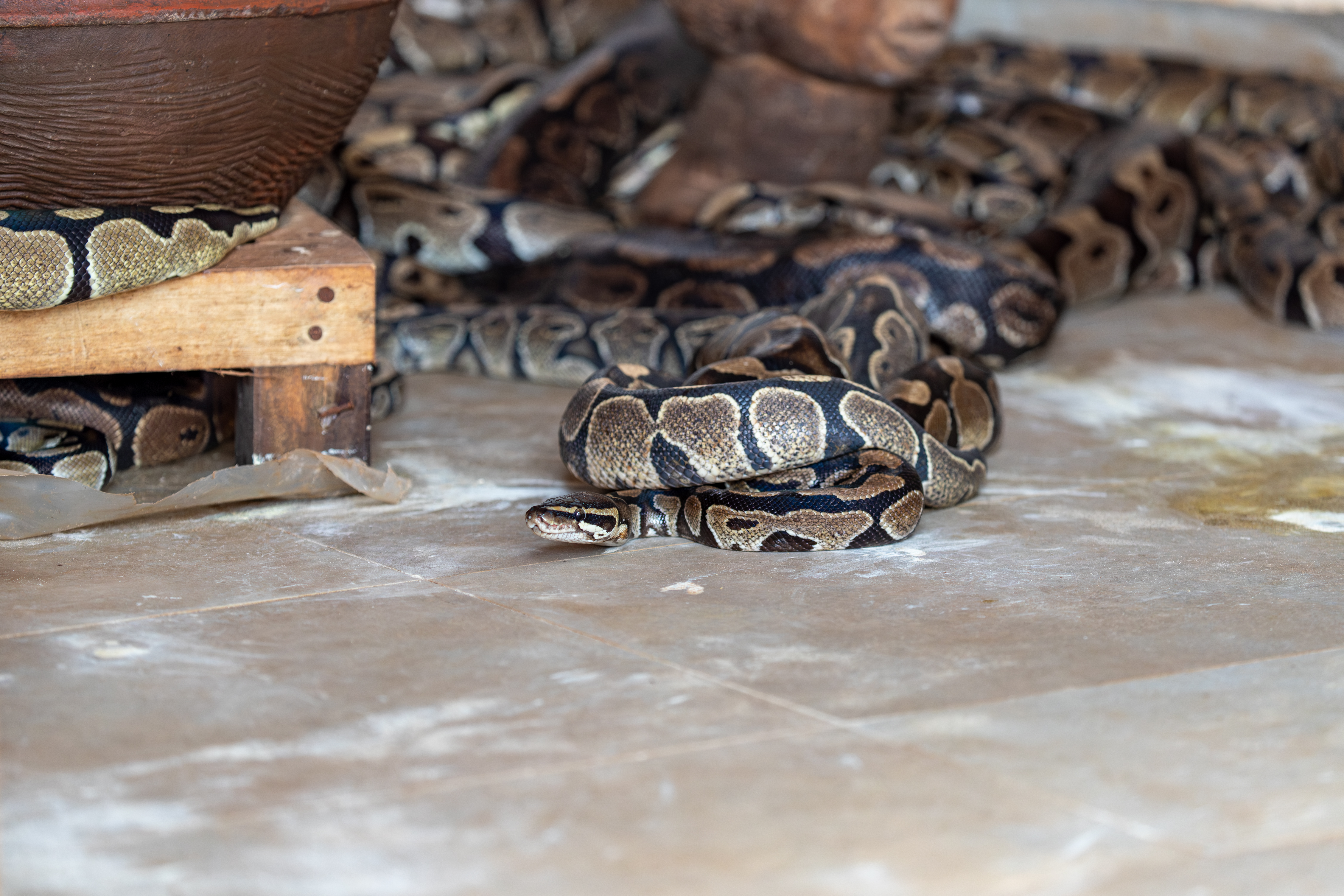
We then visited a former residence of Francisco Félix de Souza, one of the most influential slave traders in the Benin area. Although Brazilian, he was respected in the Kingdom of Dahomey, the local kingdom near Ouidah. We also visited the slave trading market, which de Souza started. Our next stop was inside the town of Ouidah, at the Portuguese fort, which is being renovated into some sort of museum. From there we walked over to the Python temple, where people worship the snakes as one of the animistic deities. We got a couple photos with snakes around our shoulders.
 |
 |
 |
 |
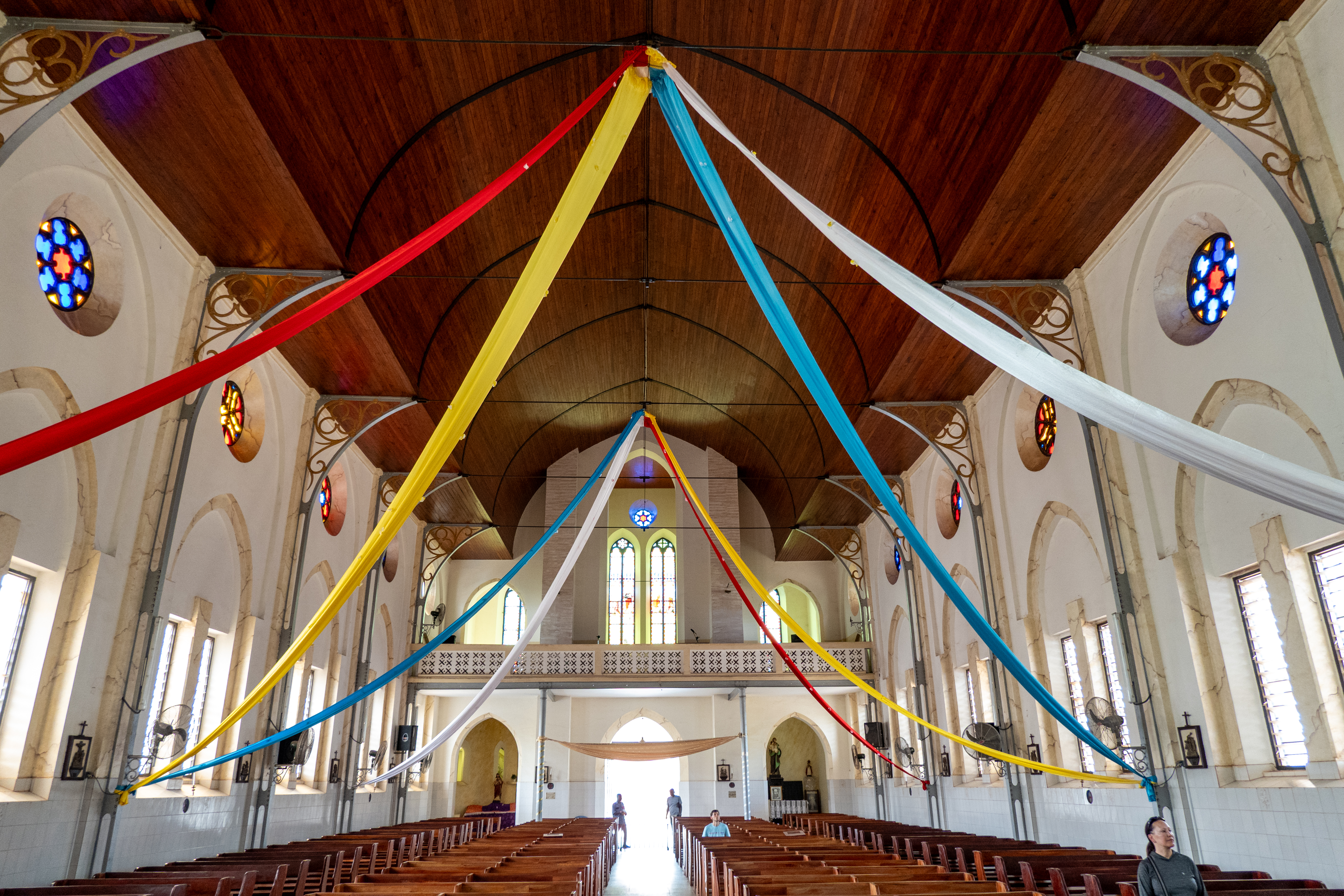
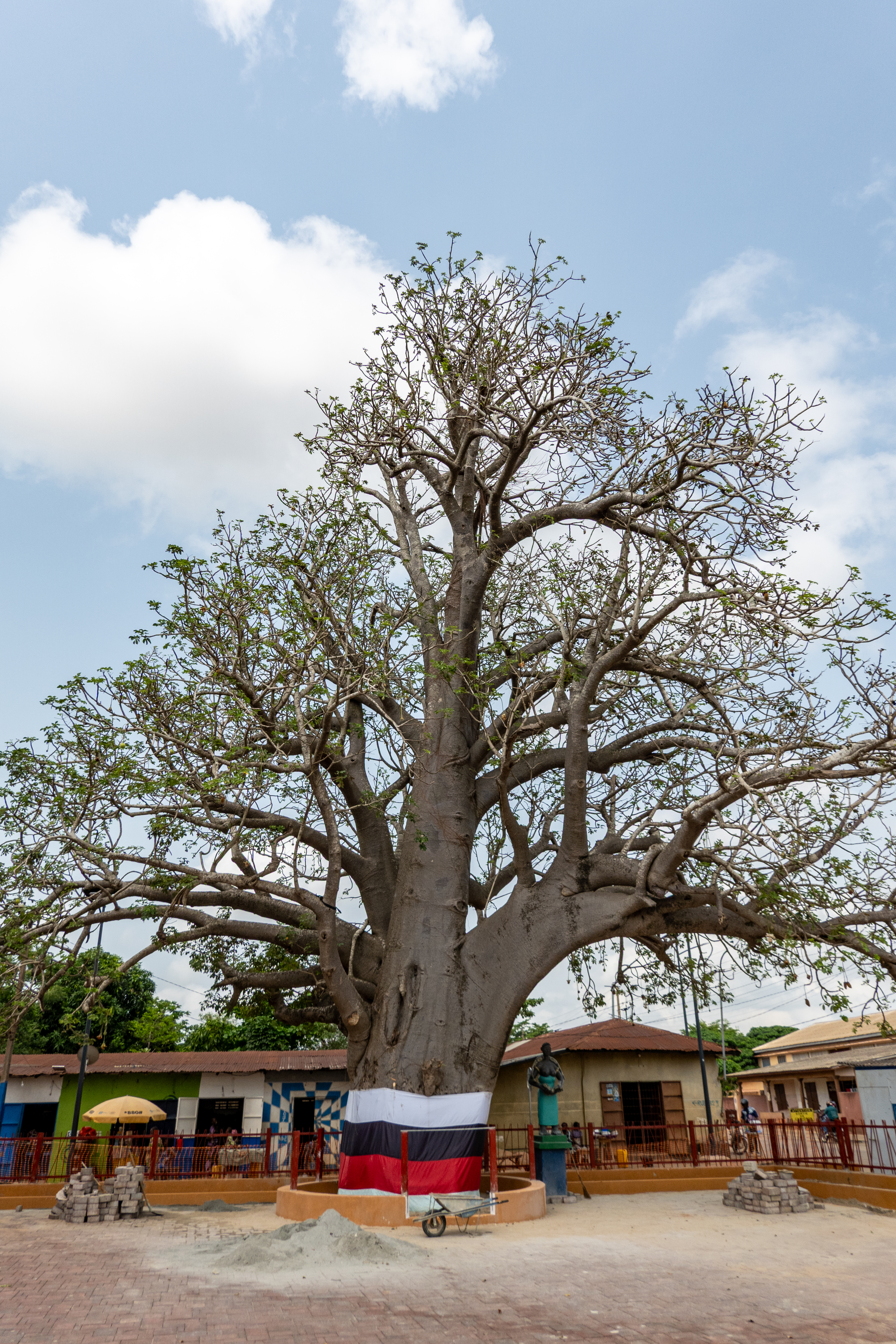
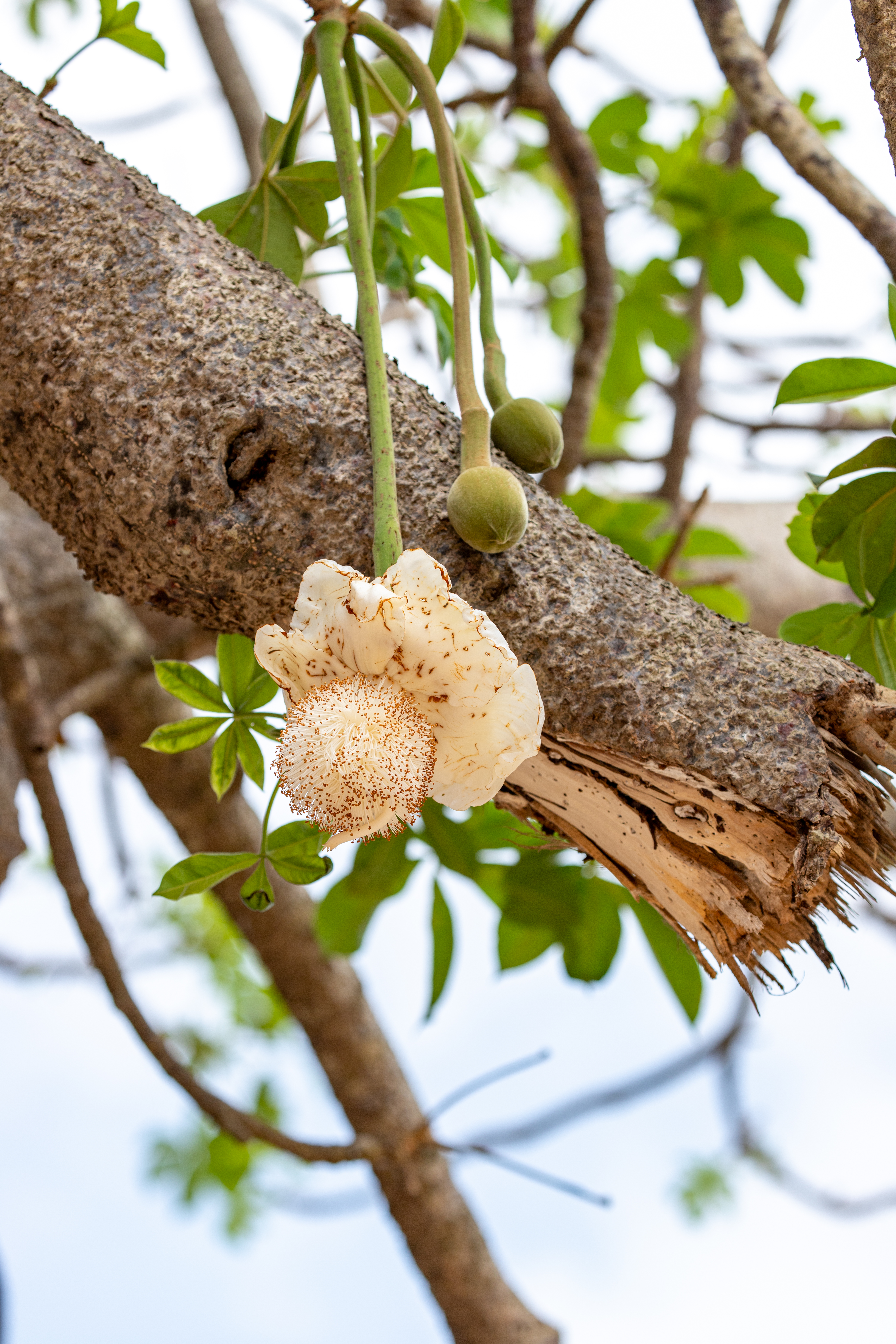
Right next door was a huge baobab tree, and across the street there was a Catholic Church, which was not coincidentally built so close to the python temple - the catholics wanted to keep tabs. Inside the church there was a painting with Jesus, and he was depicted as white, which seemed all the more hilarious. Nearby we went into the House of Brazil, which had some old artifacts, maps, etc. The local guide there told Taryn that she looked remarkably like an elder relative, and Taryn told the same to the guide. It was a touching exchange, and pretty emotional for Crystal.
 |
 |
 |
 |
After we finished at the House of Brazil, we went over to grab lunch near the Catholic Church. After we ordered, we had 25 free minutes. There were galleries and stores all around. Crystal got a small bag for cables and chargers, and we went into a couple of the galleries, especially those with good fans. At lunch Crystal got chicken kebabs, and Justin got a steak with green pepper sauce. We were outside on a terrace overlooking the Church, and there was a decent enough breeze such that it was comfortable.
 |
 |
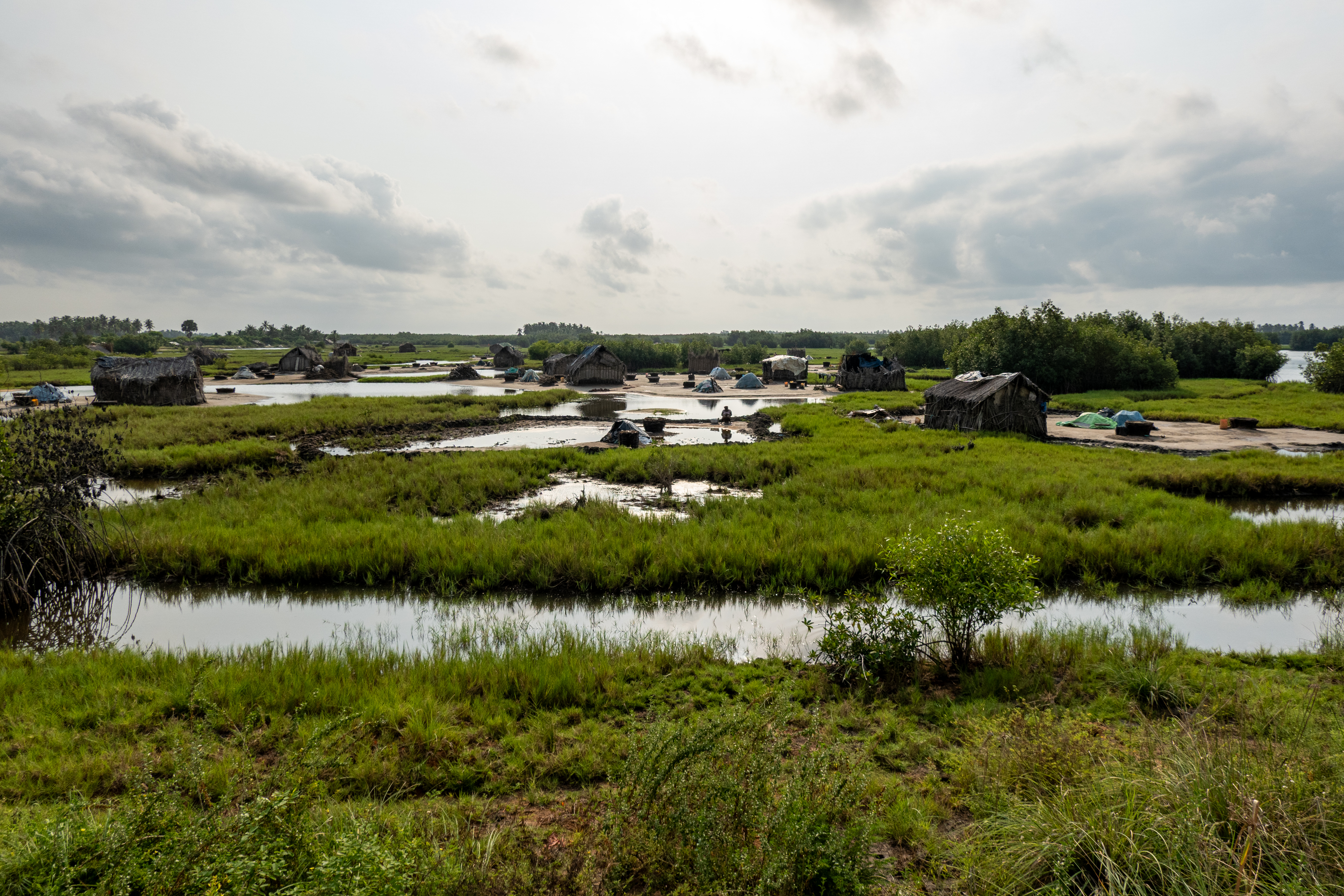
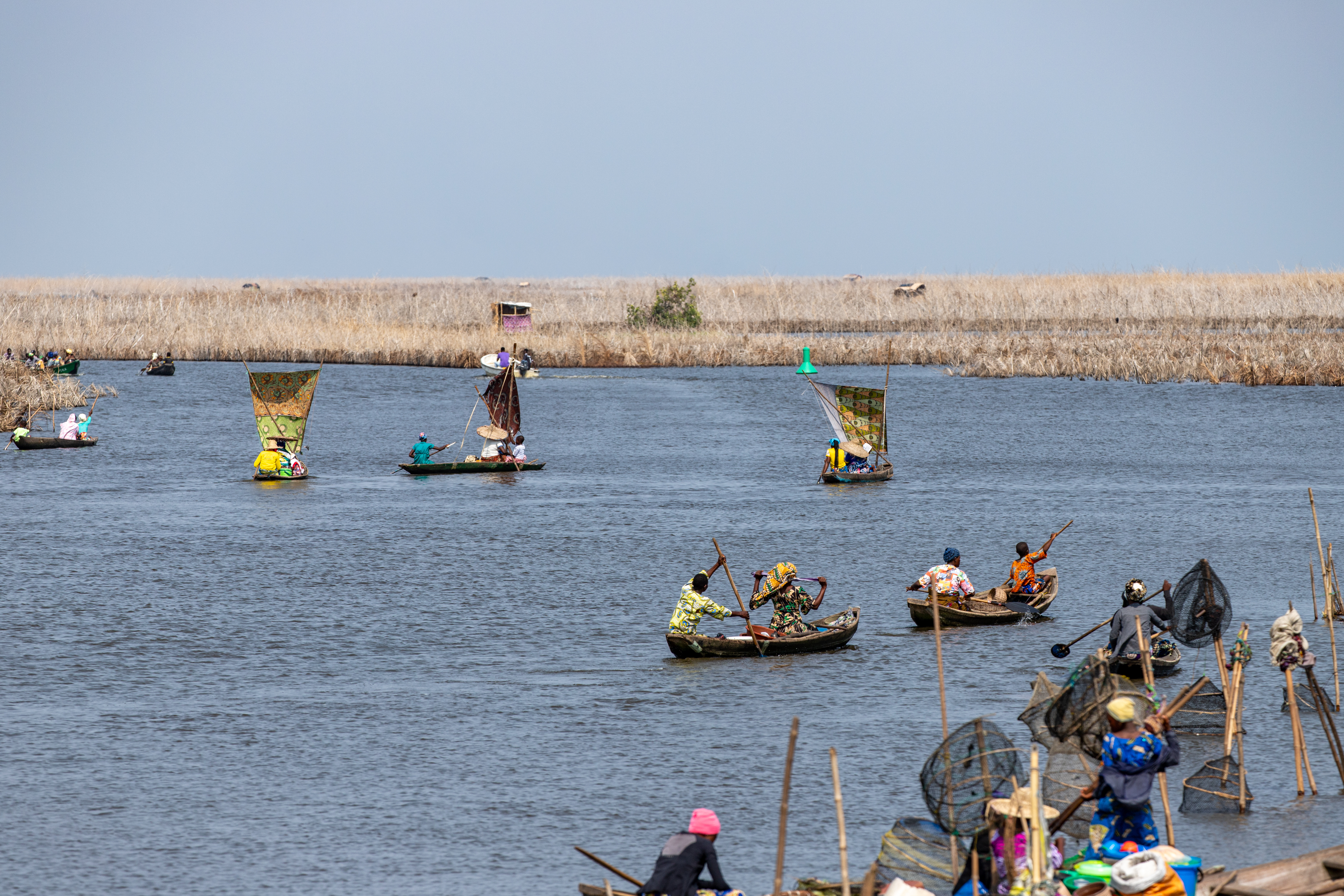
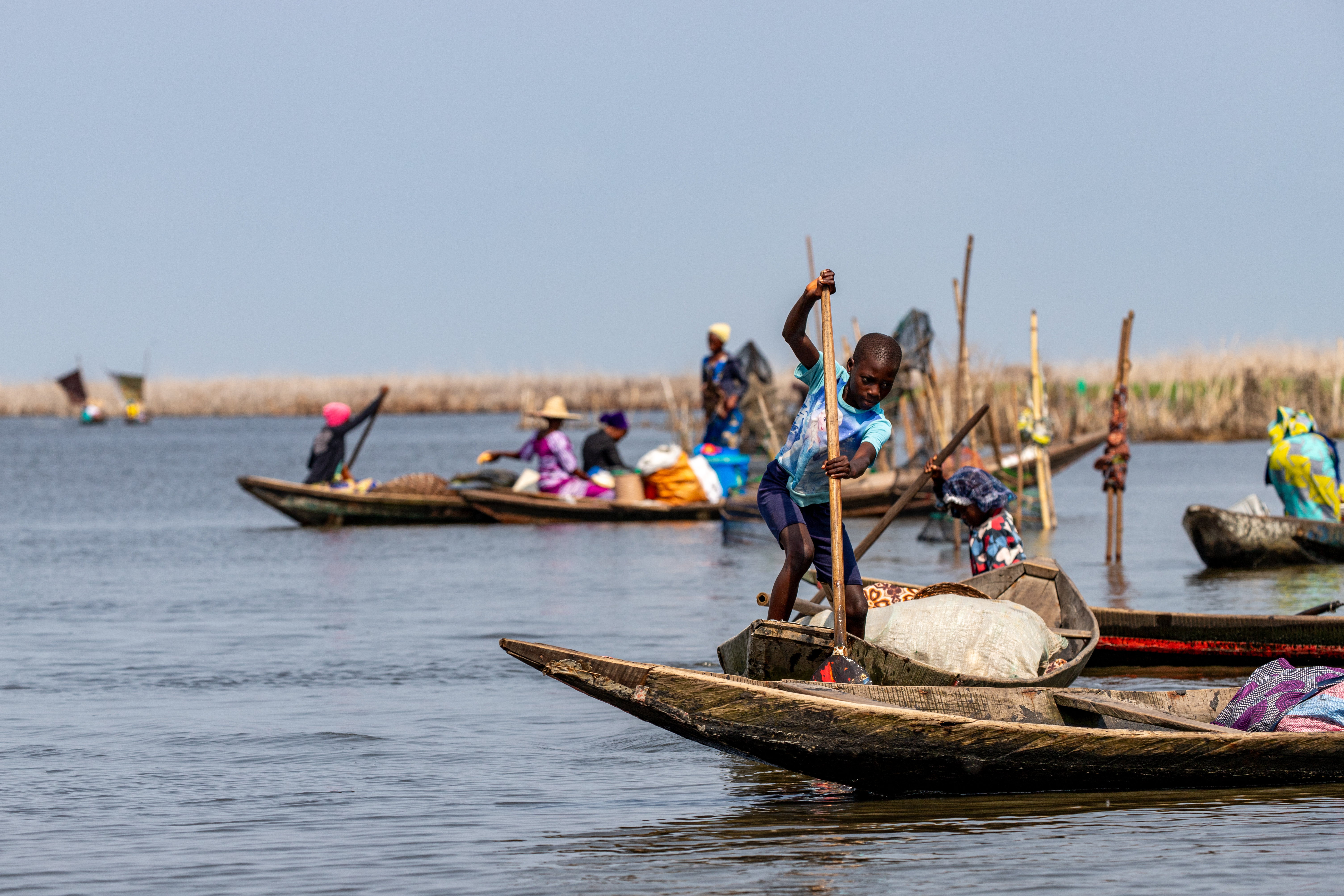
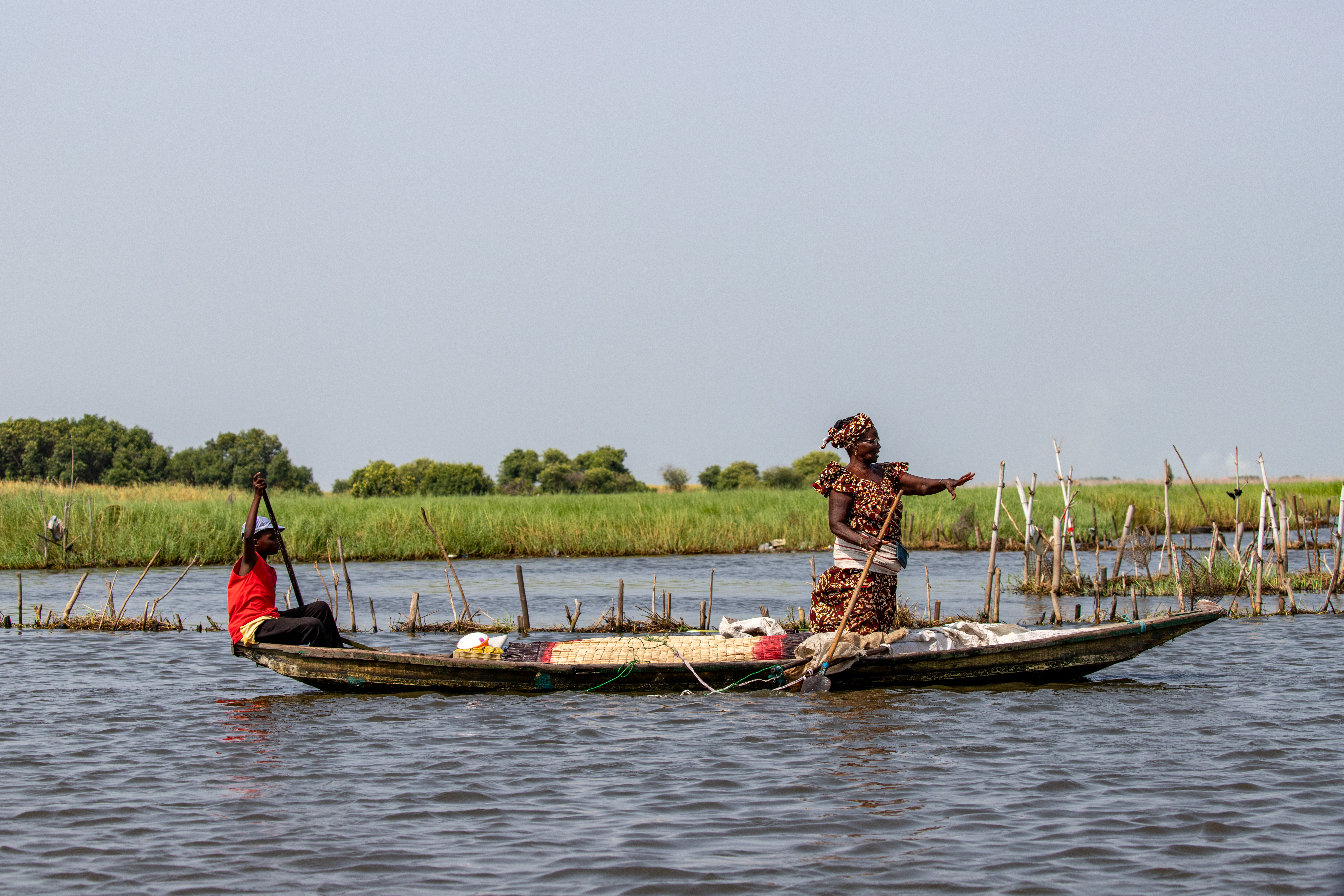
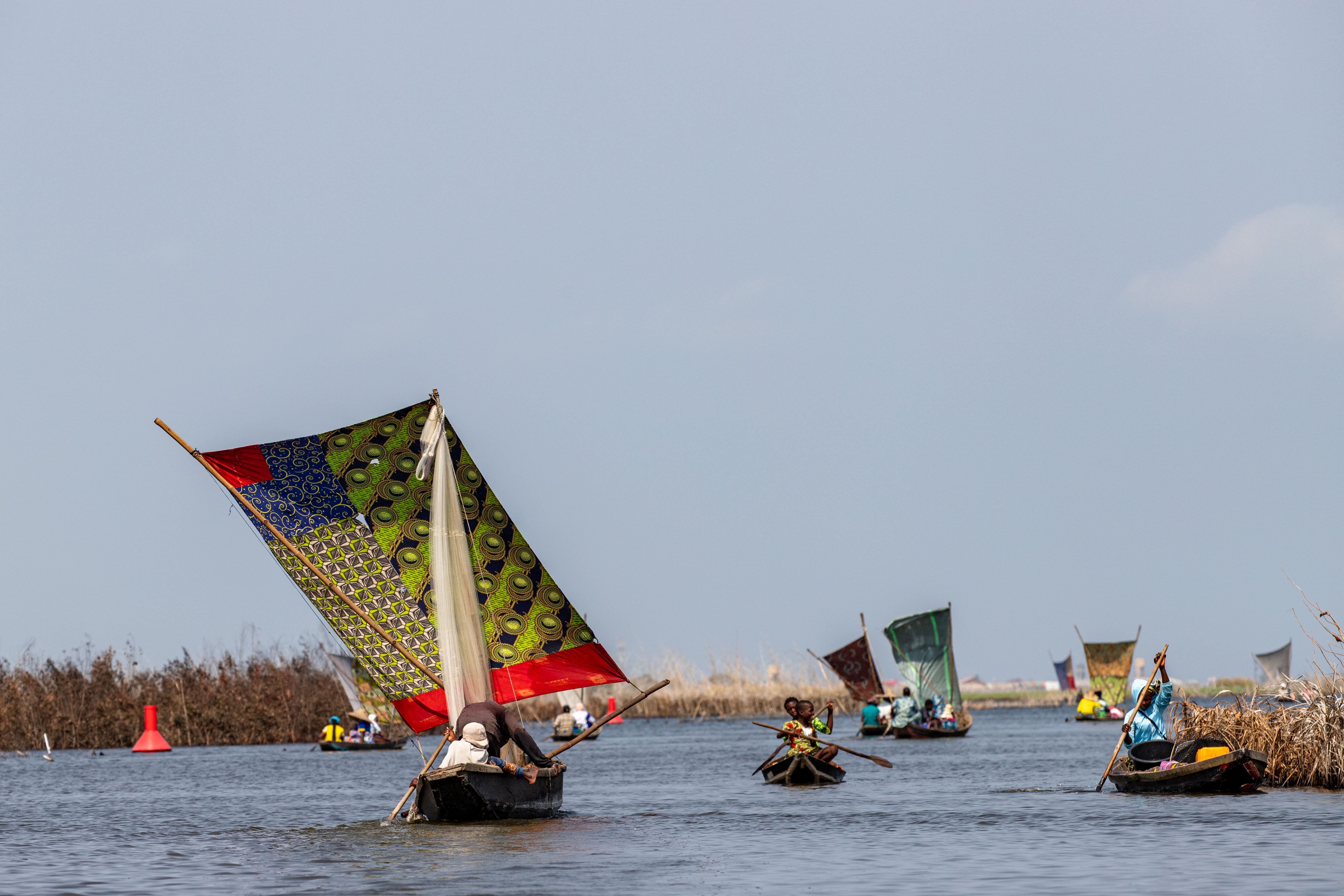
Once we finished lunch we drove east towards Cotonou. There was tons of construction and development going on everywhere. Sena told us that Cotonou is very large, with almost 3 million people. We just entered the western outskirts of town when we turned north, going up the western shore of Lake Nokoue. Eventually we got out of the van and into a boat, heading east towards Ganvie, an enormous stilted city on the water.
 |
 |
 |
 |
 |
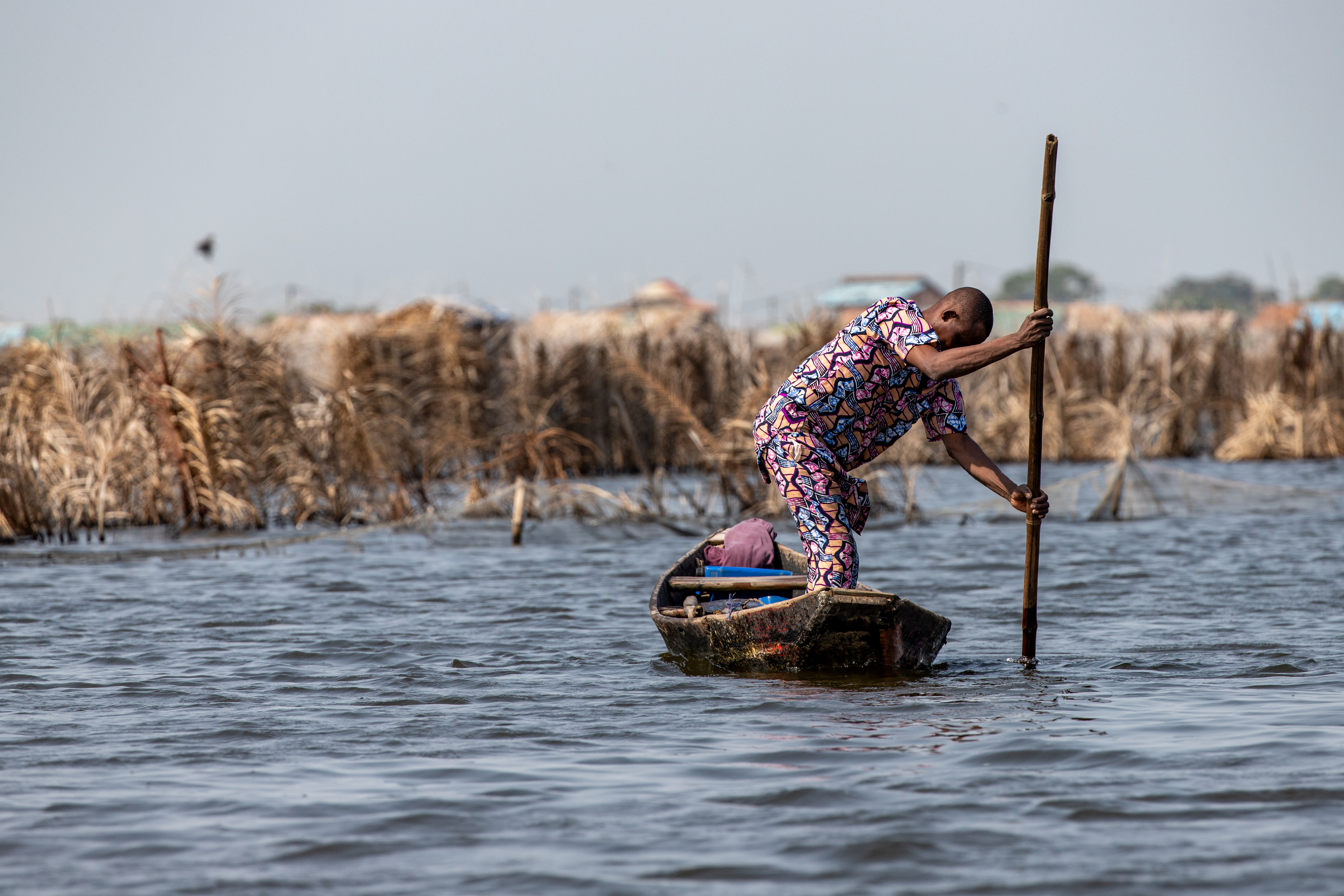 |
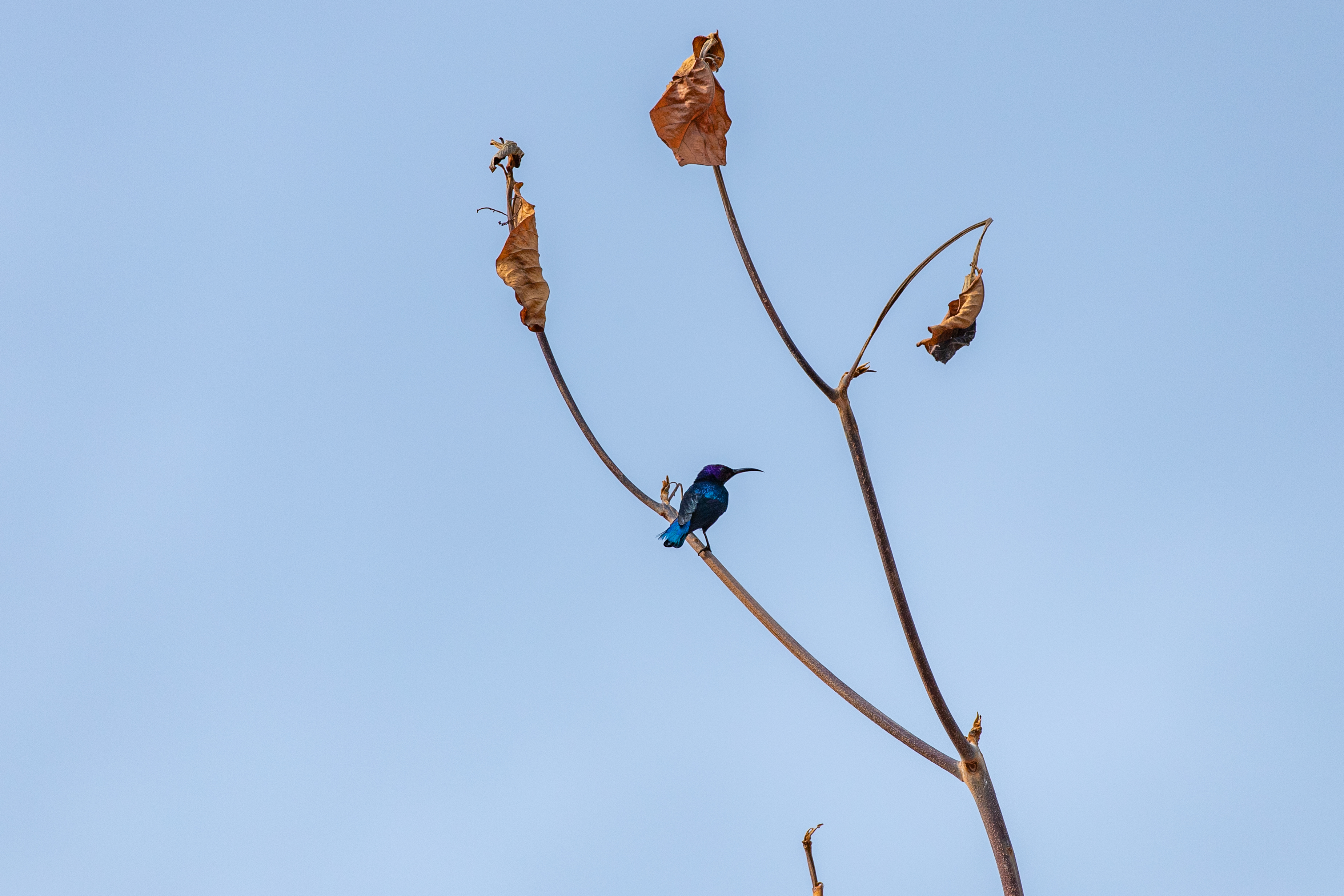
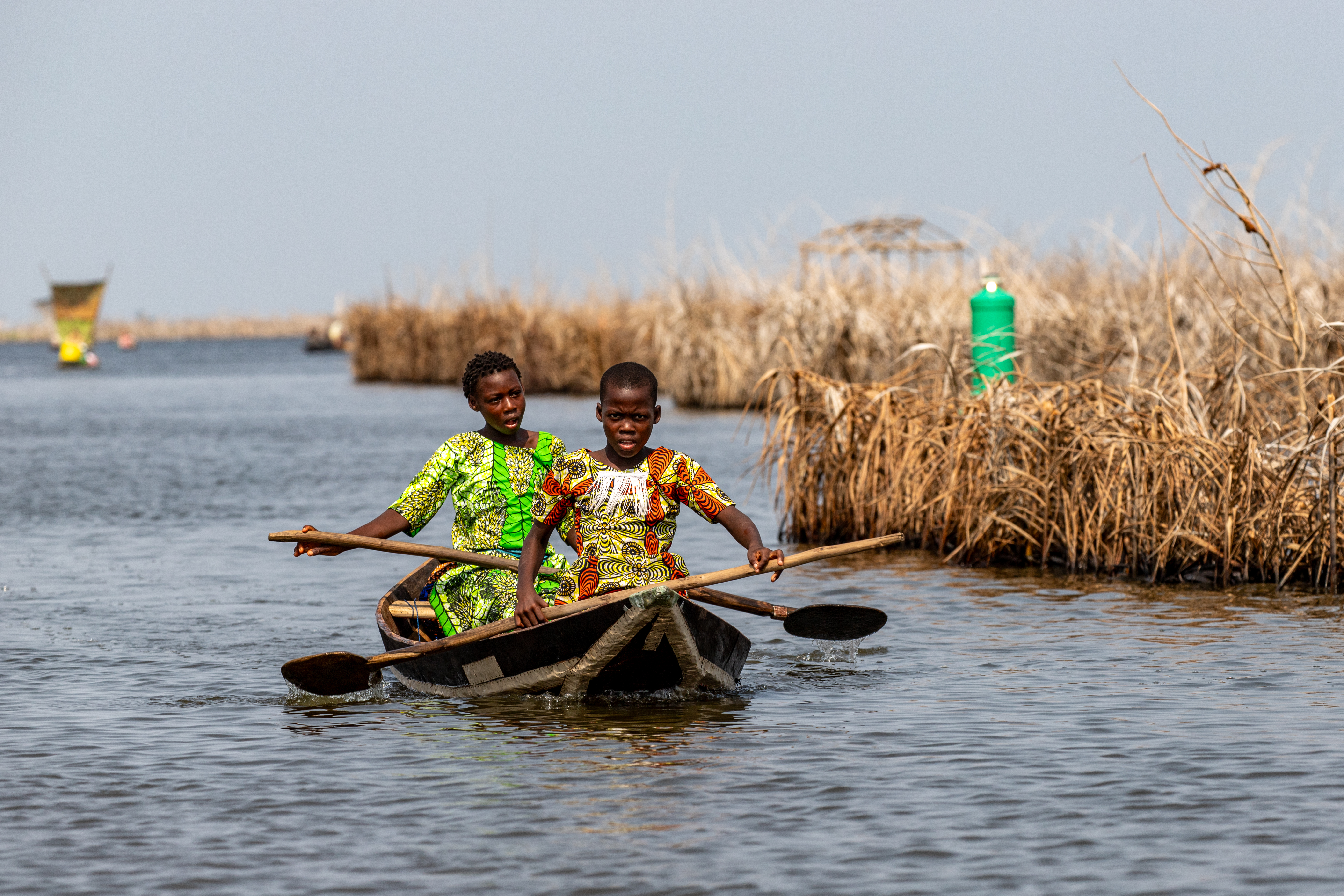
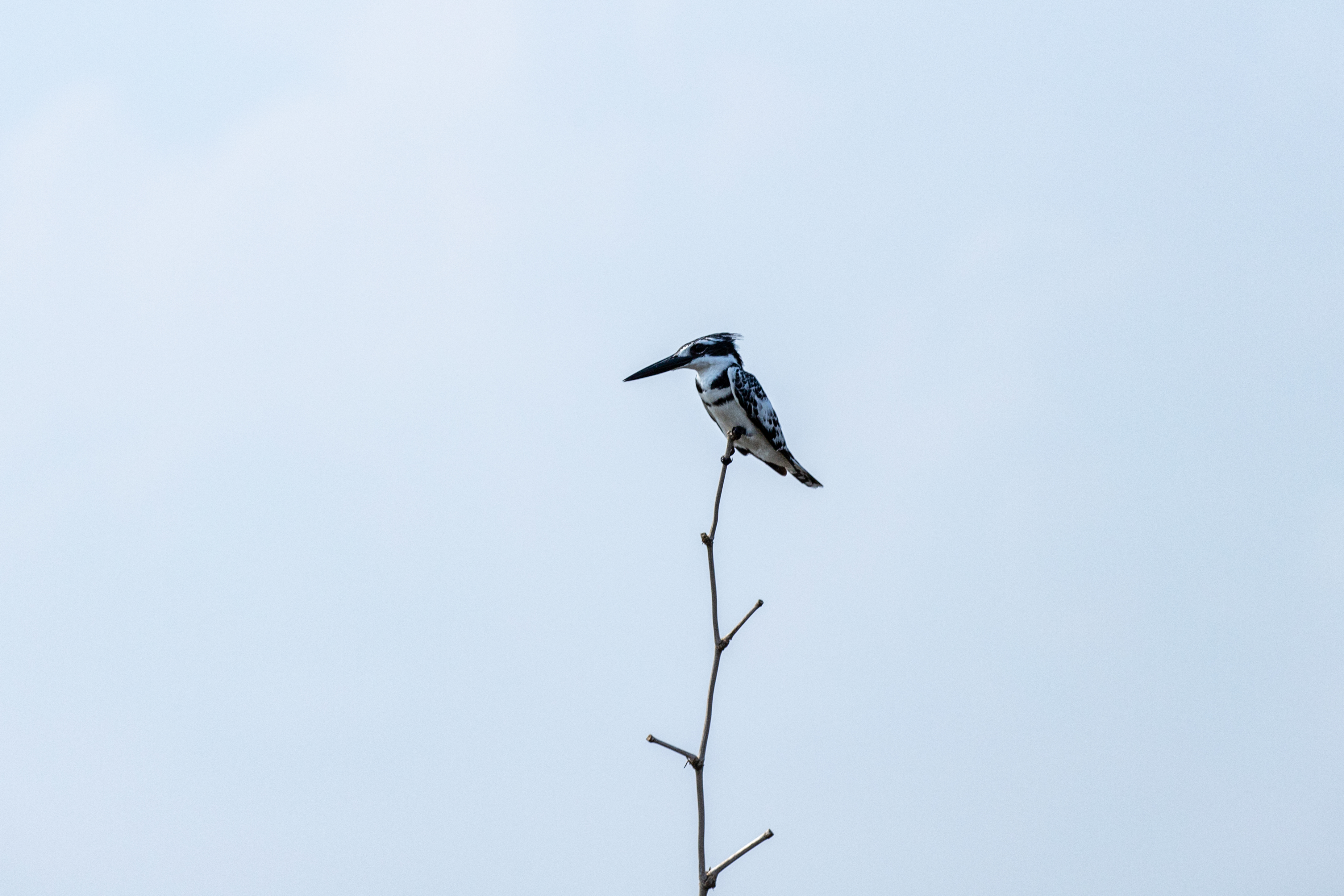
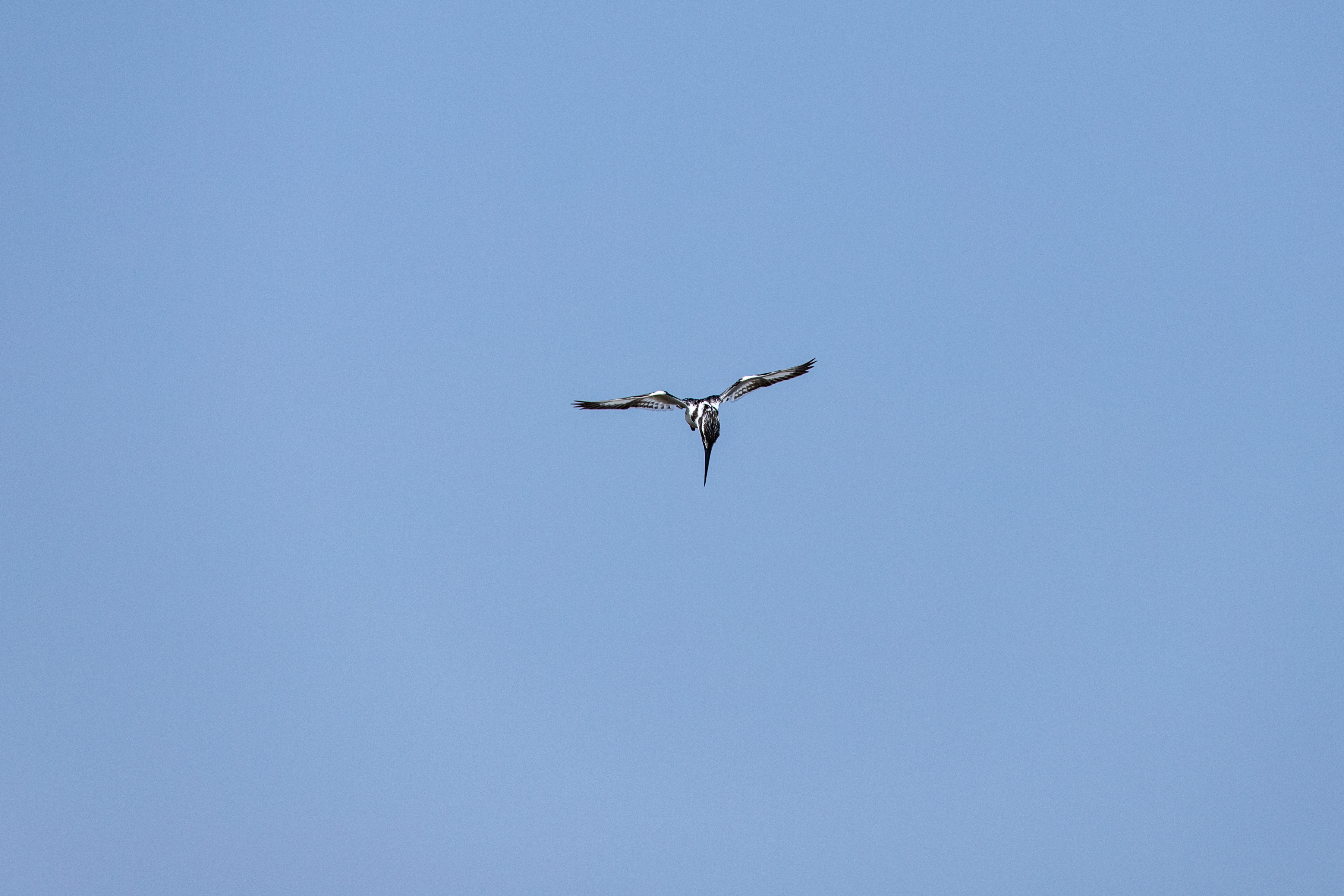
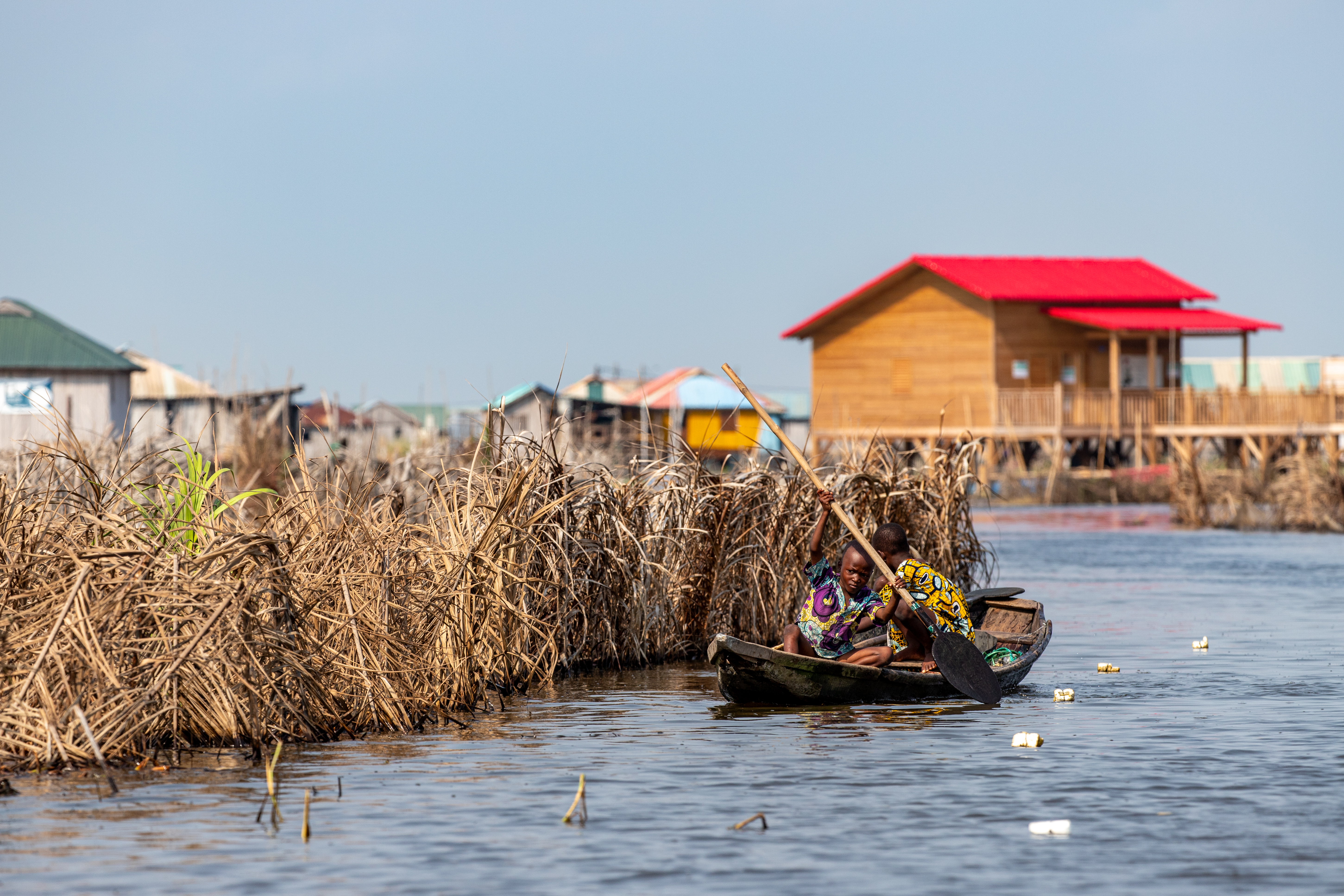
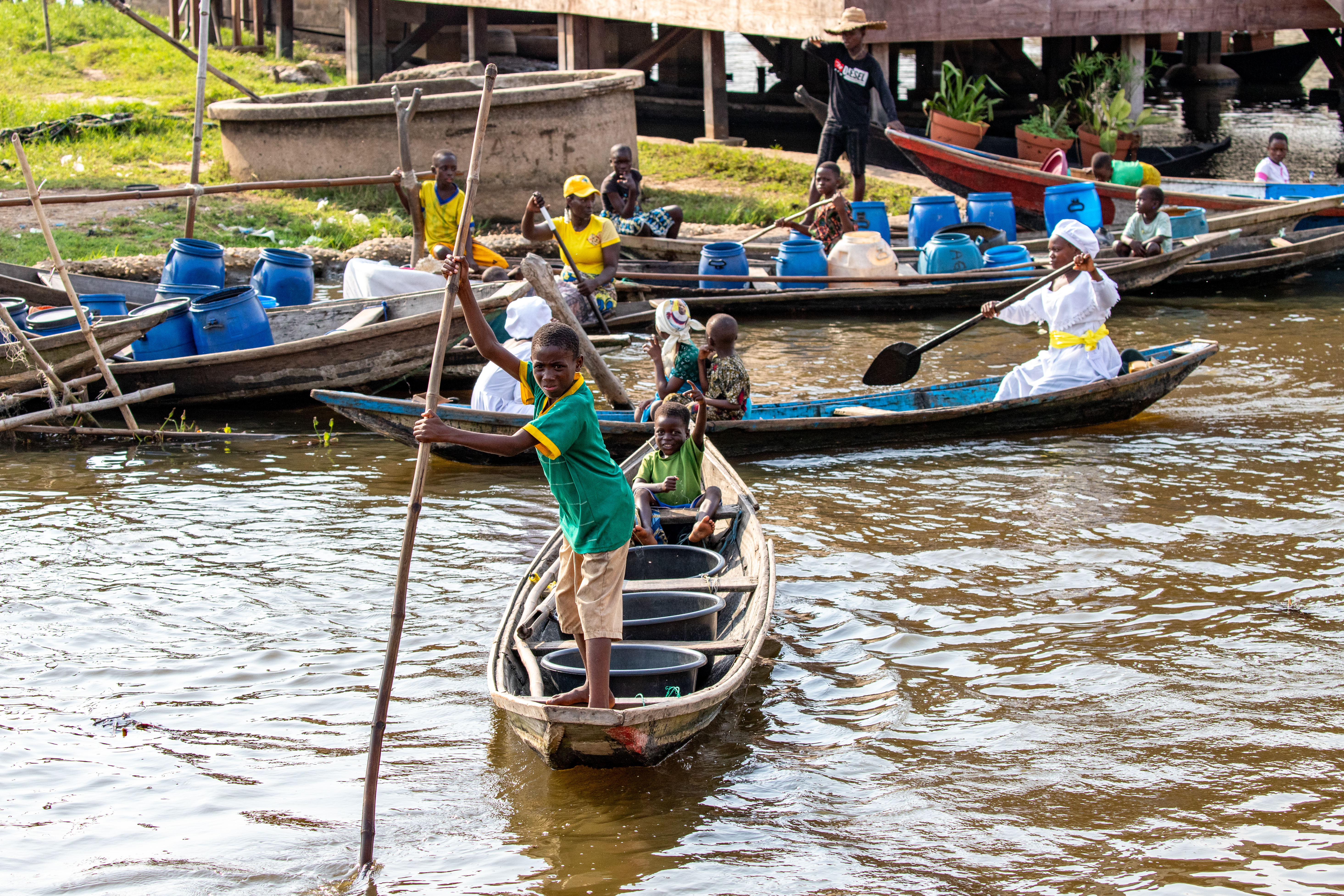
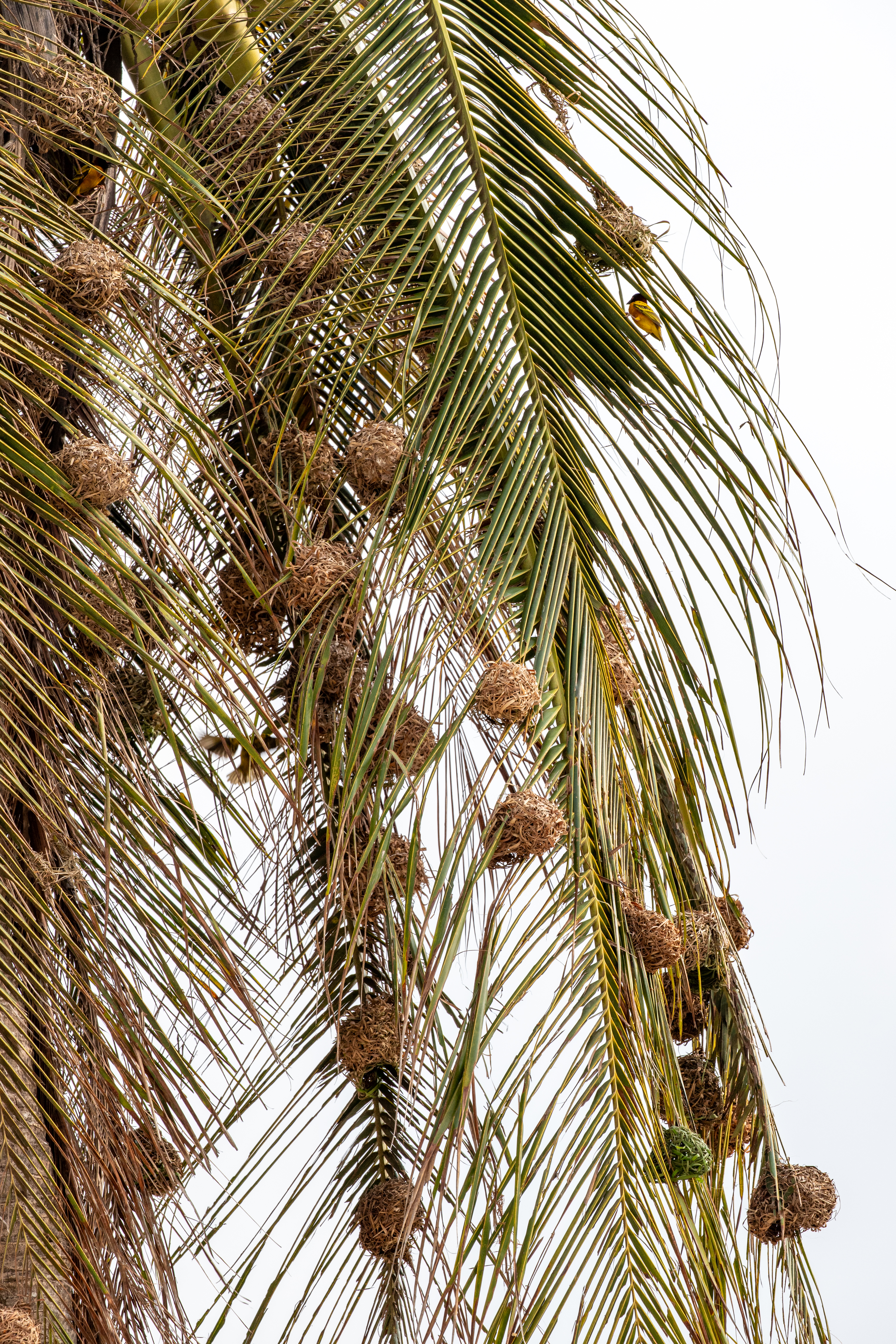
Ganvie has around 35,000 residents, and many of them come and go frequently from the port where we boarded. So we saw a ton of people returning home after trading (usually fish for goods), as it was late afternoon. Some boats were very small, like mokoros. Others were a bit bigger and had sails. Some of course had motors, but not many. To fish, the locals fence off areas of the lake with bamboo and palm fronds, and the disintegrating bamboo and fronds attract fish. We saw some kingfishers and other birds diving for those same fish.
 |
 |
 |
 |
 |
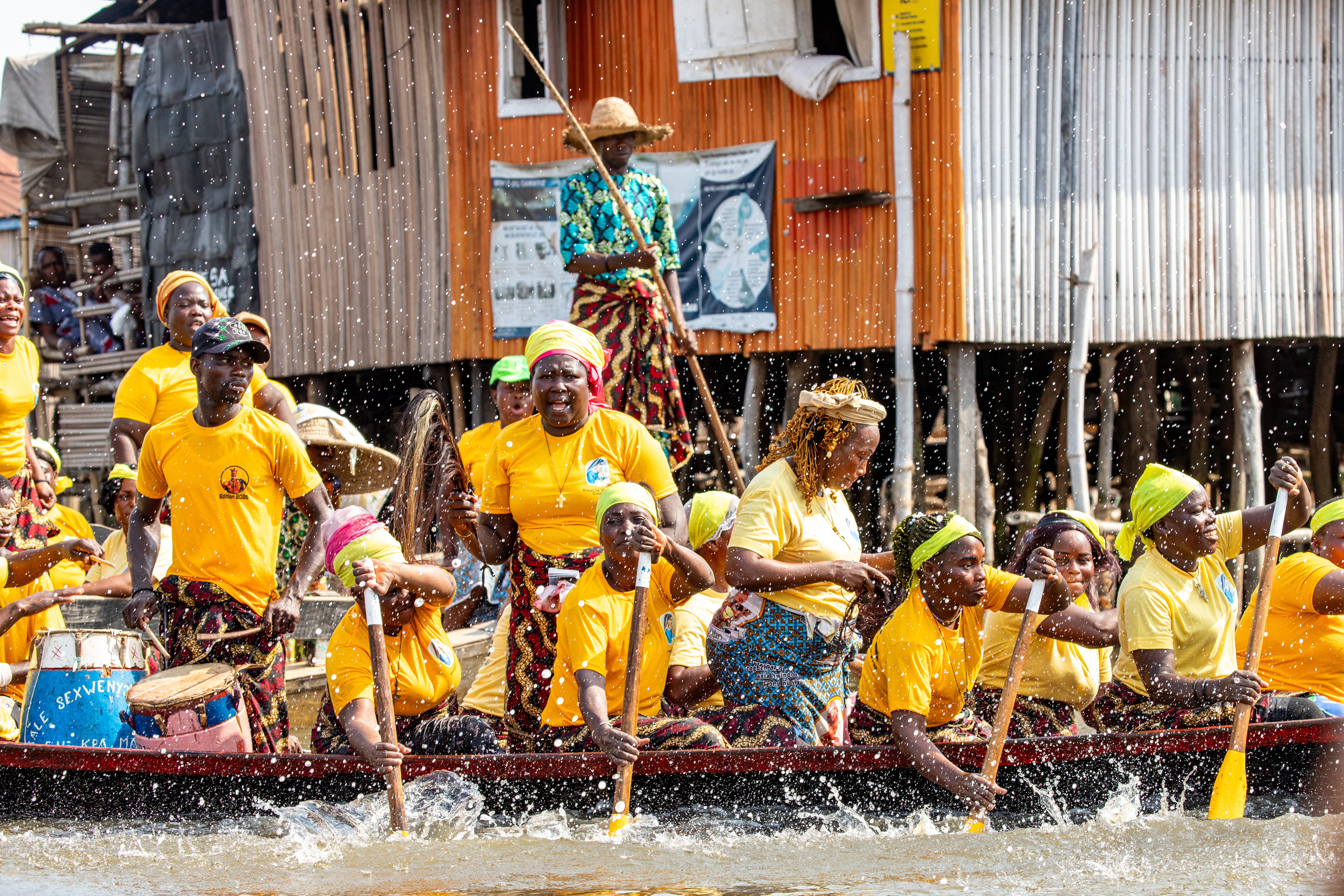 |
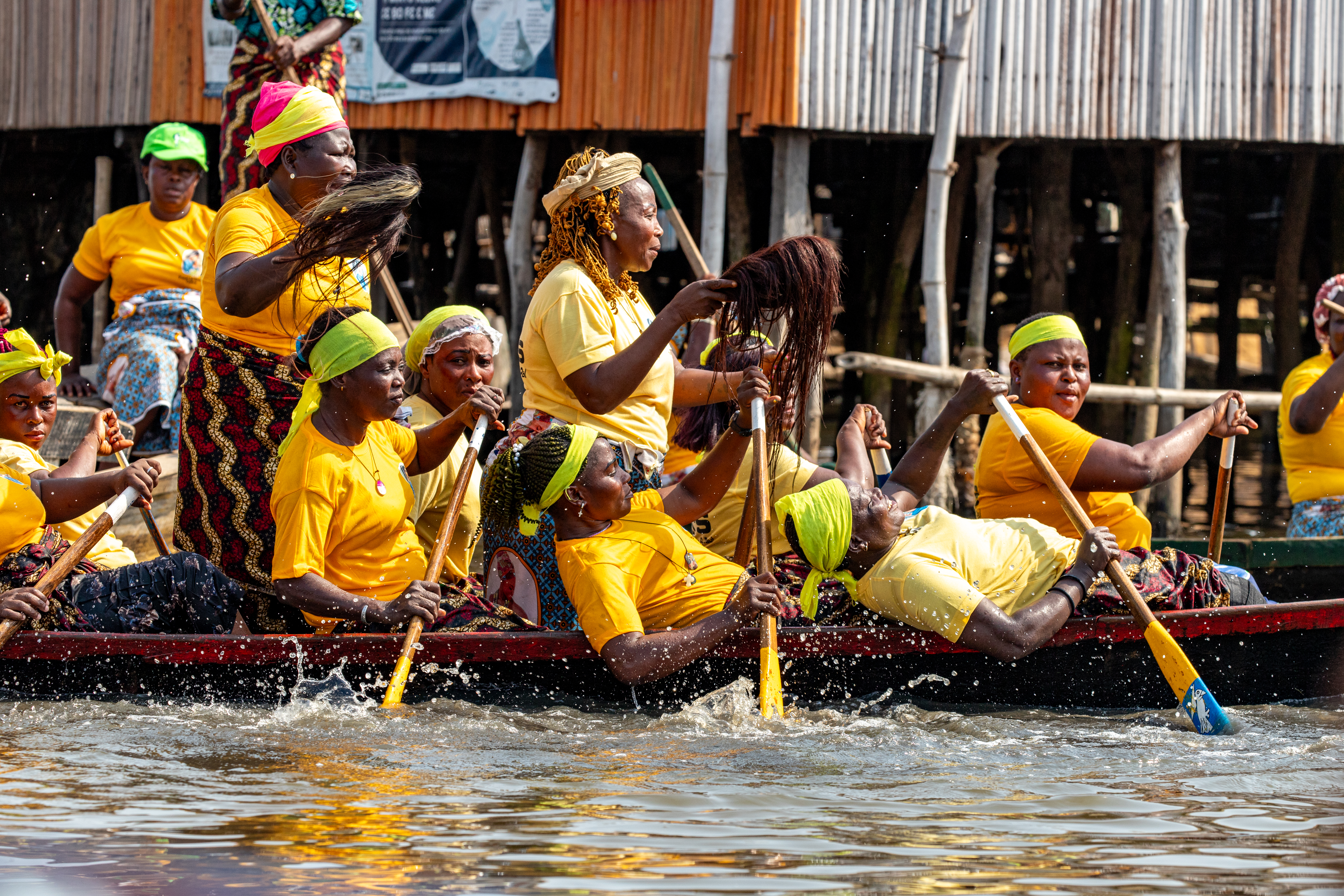
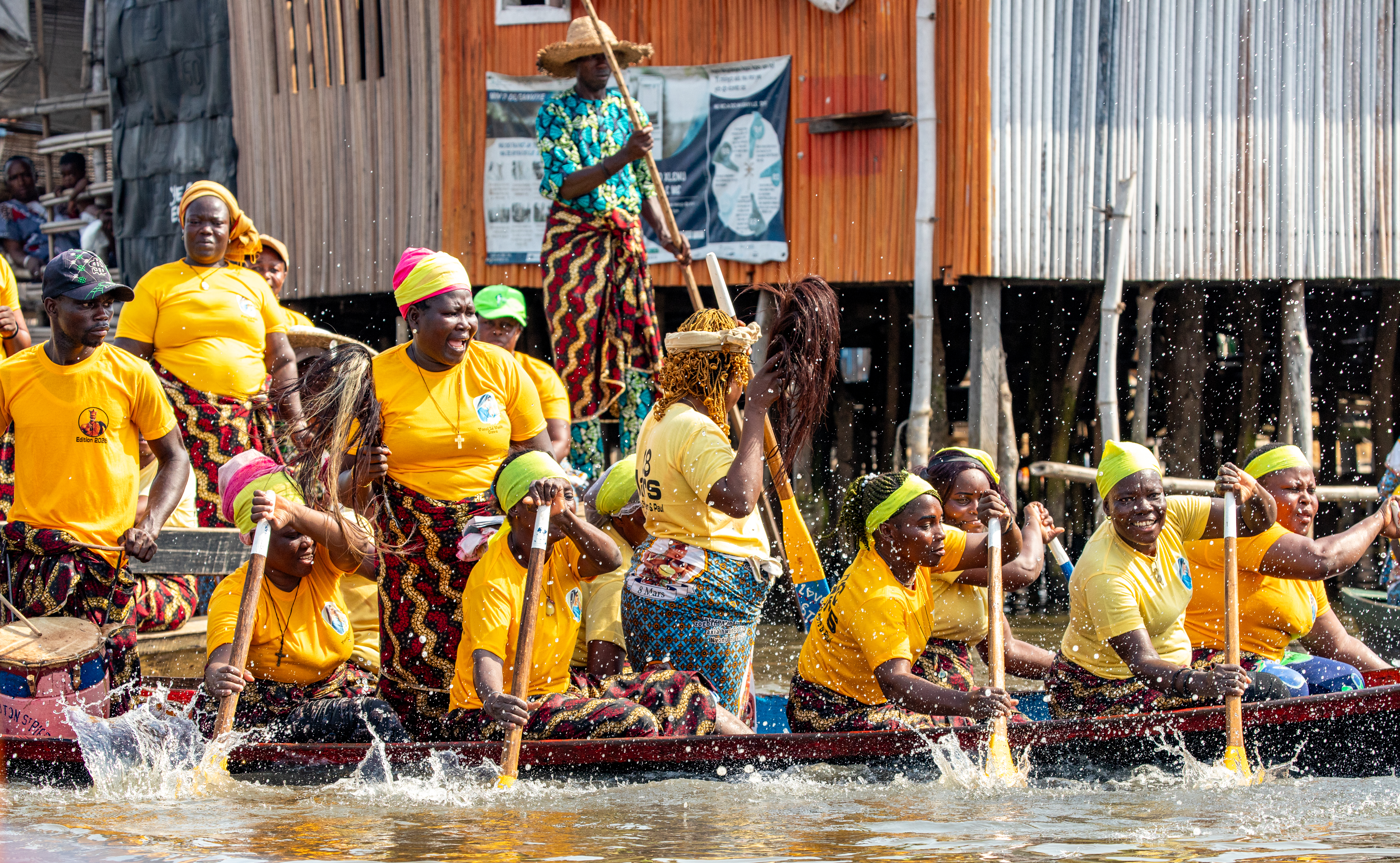
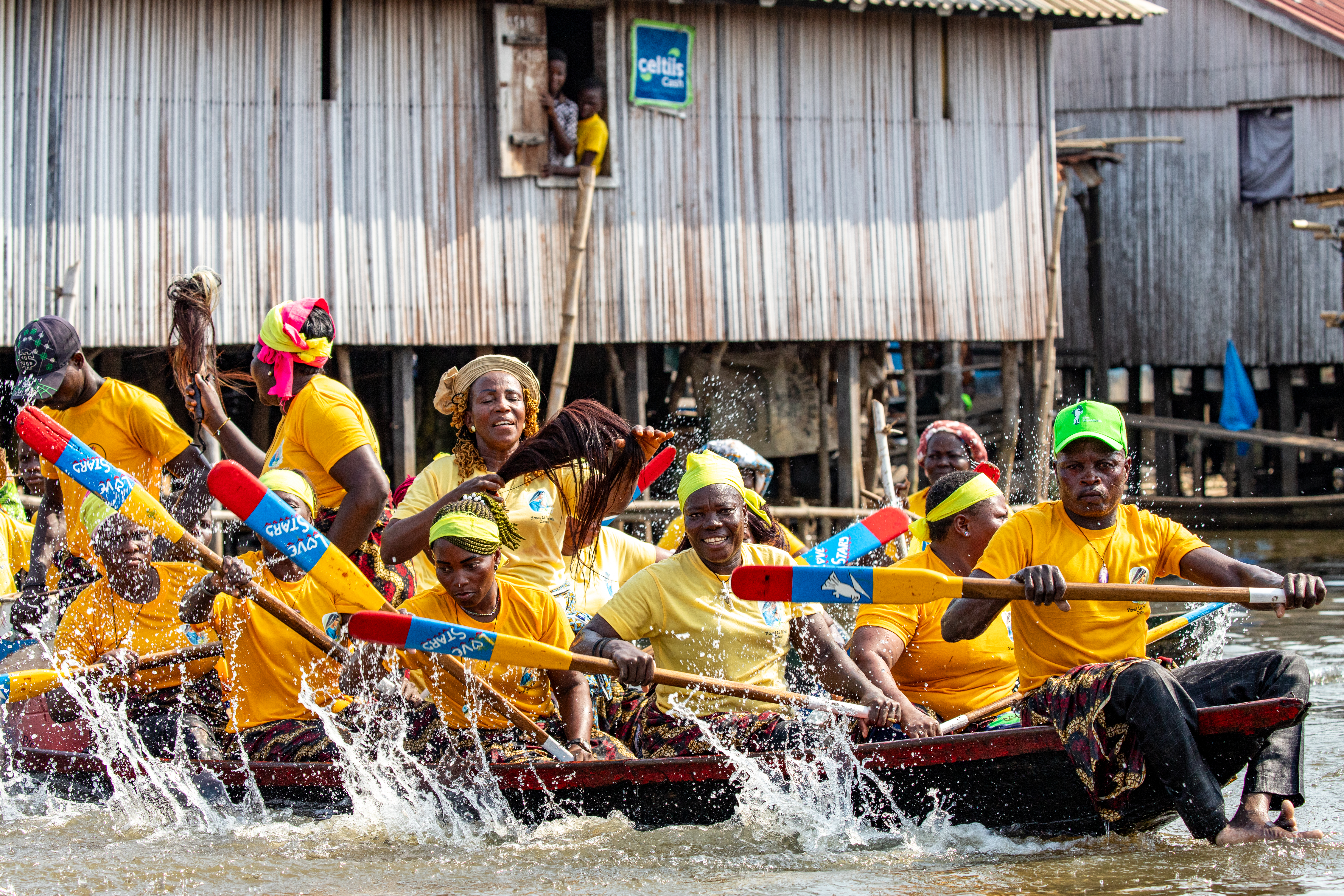
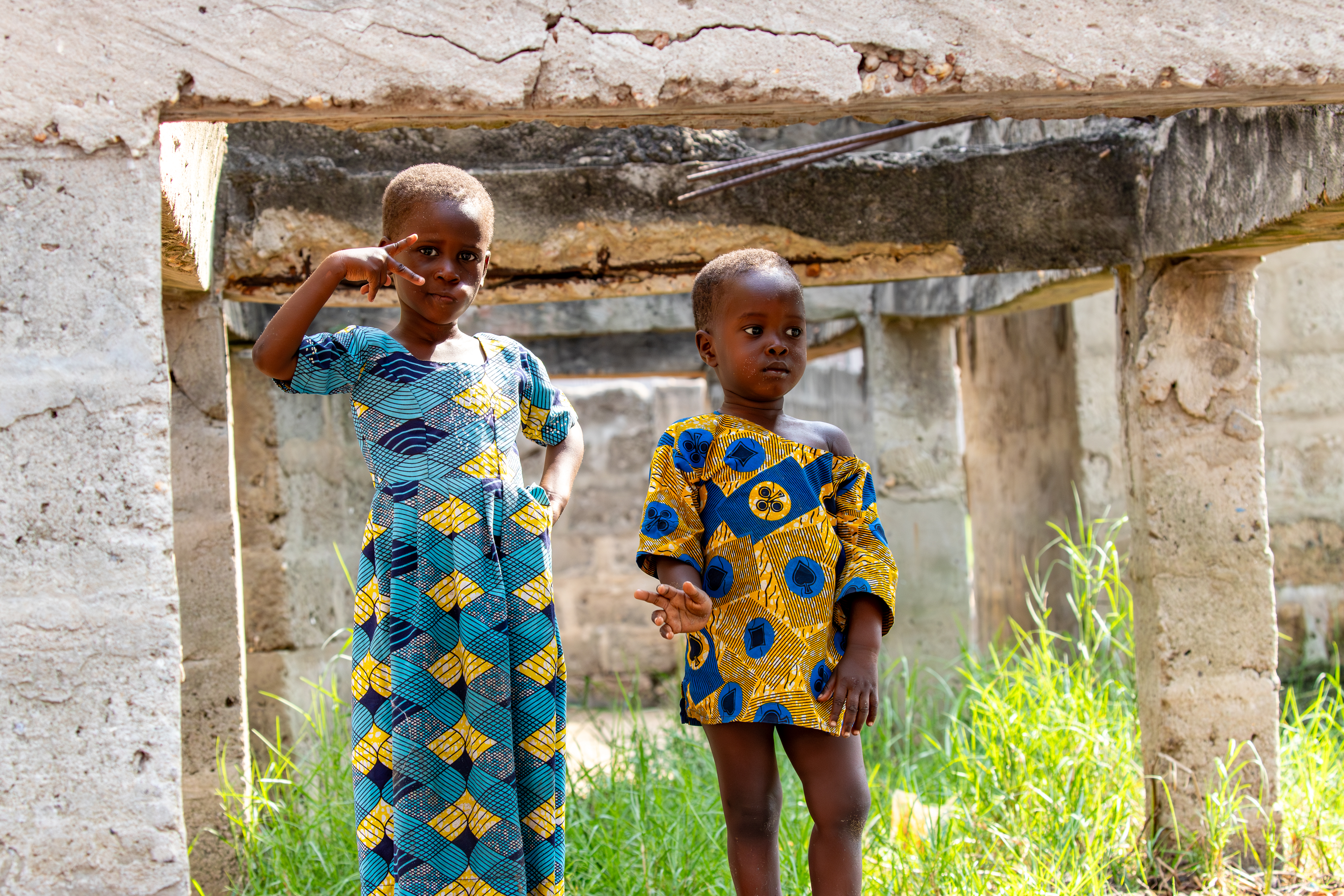
Ganvie was vaguely reminiscent of Lake Titicaca, and vaguely reminiscent of the Muslim fishing village in Phang Nga Bay, but only vaguely. This was on a completely different scale, and once we entered the city you could see all of the things you’d expect to see in a town of 35,000 people, but all built on stilts. There were schools, churches, mosques, hospitals, stores, bars, dance clubs, hotels, town halls, and more. We saw a couple of boats celebrating Women’s Day (which was actually the next day, so they just got a good start), and they came over to say hi, and even boarded our boat and started dancing, including with Jane. It was great fun.
 |
 |
We stopped for 25 minutes at a spot with a bar, a shop, and a terrace. Most of the time we spent on the terrace, and Stephenie waved at the passers-by, with the overwhelming majority waving back. Group after group of people returning home after Church were immaculately dressed. Eventually we got back in the boat and headed back to dry land. We saw several small boats surrounding a motorboat, with everyone holding on to everyone else, such that the motorboat could drag all of the other boats west, against the prevailing winds.
 |
 |
 |
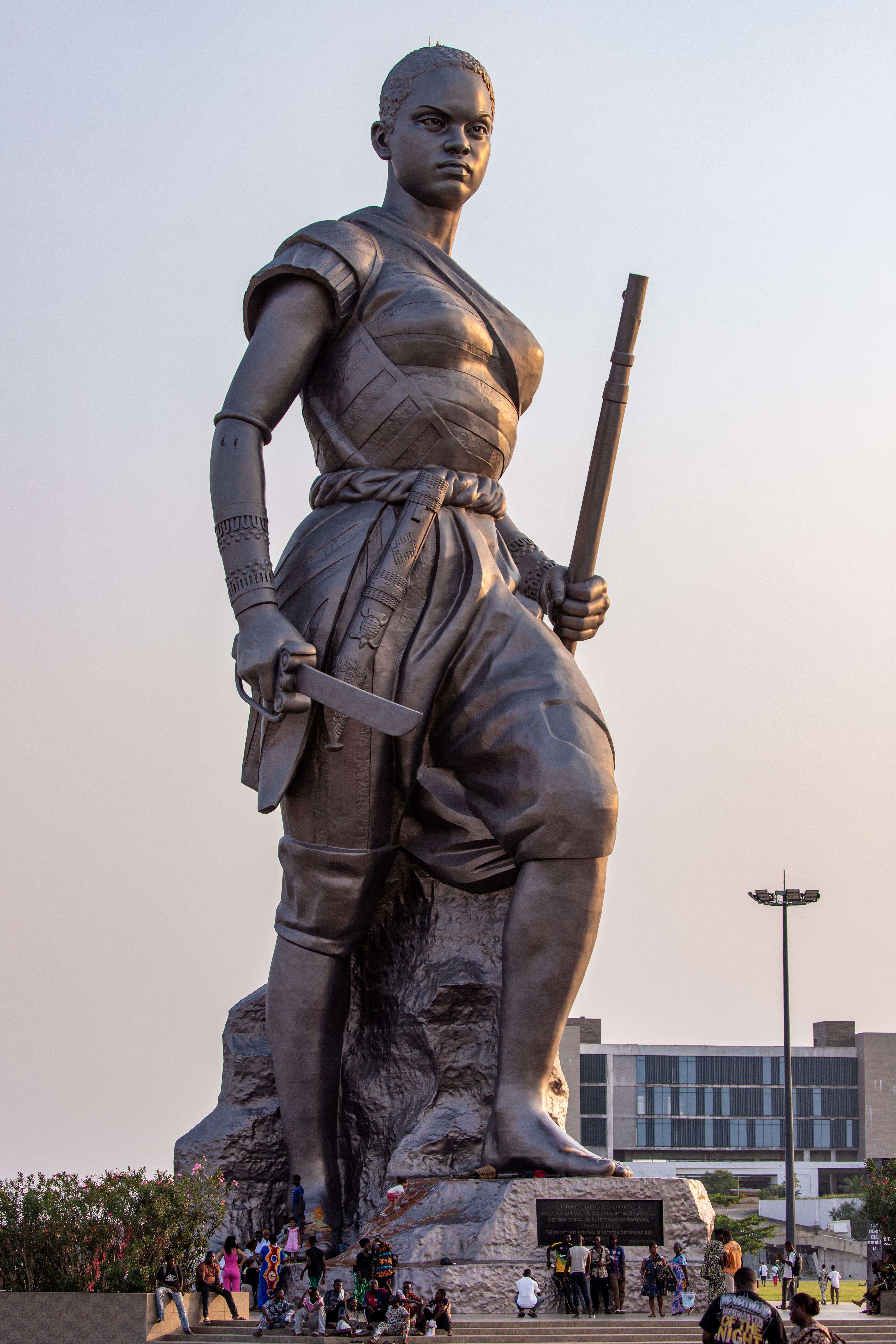 |
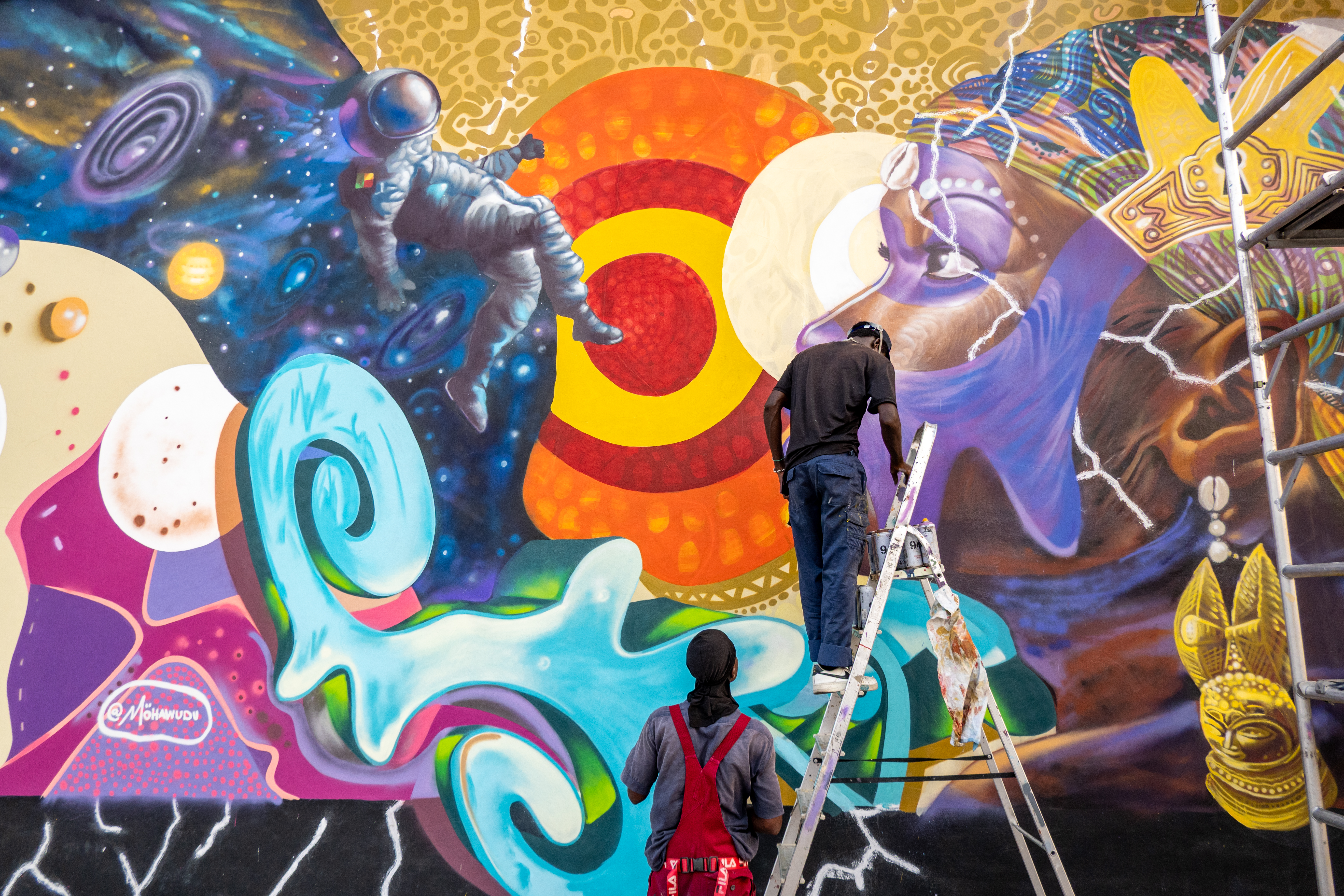
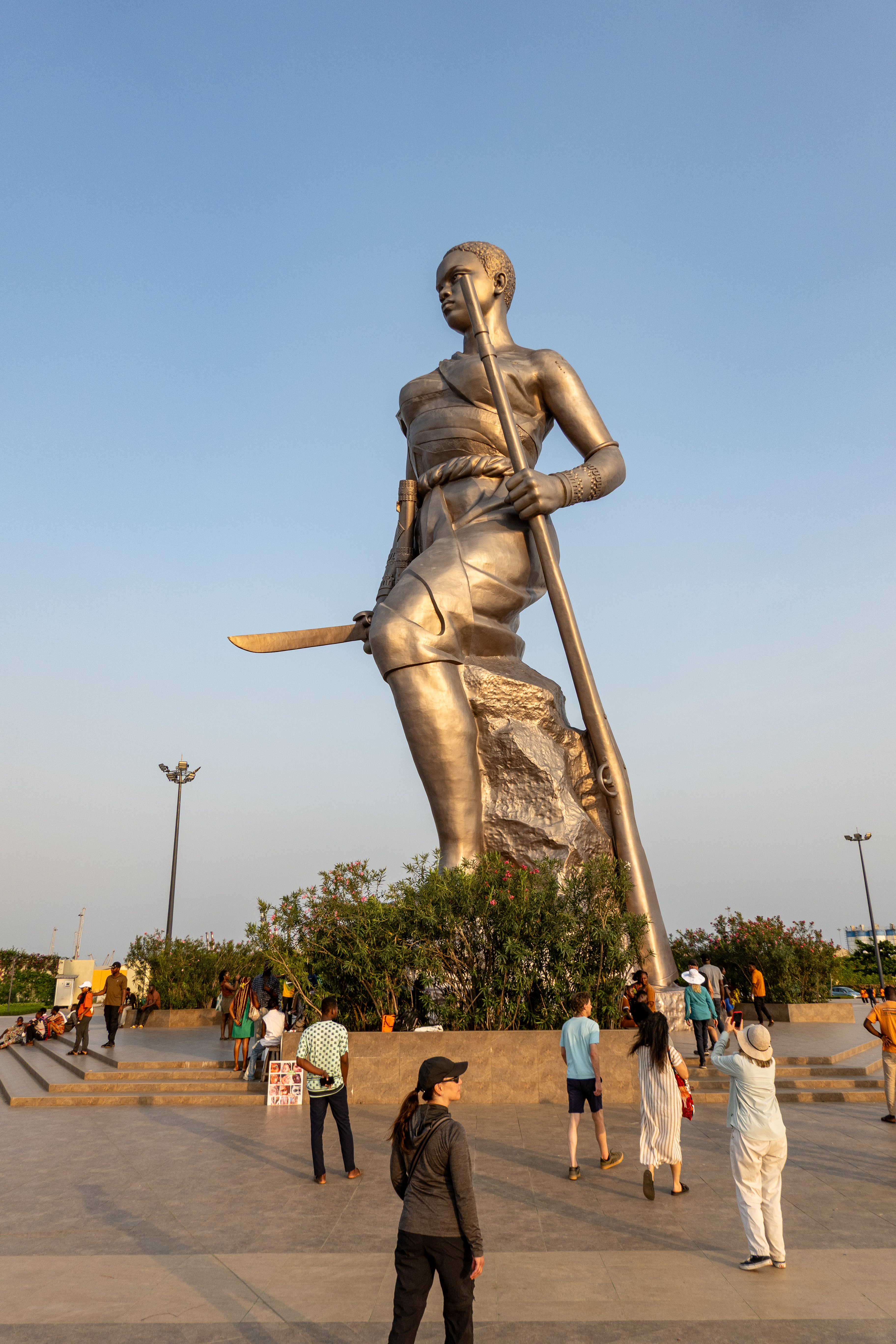
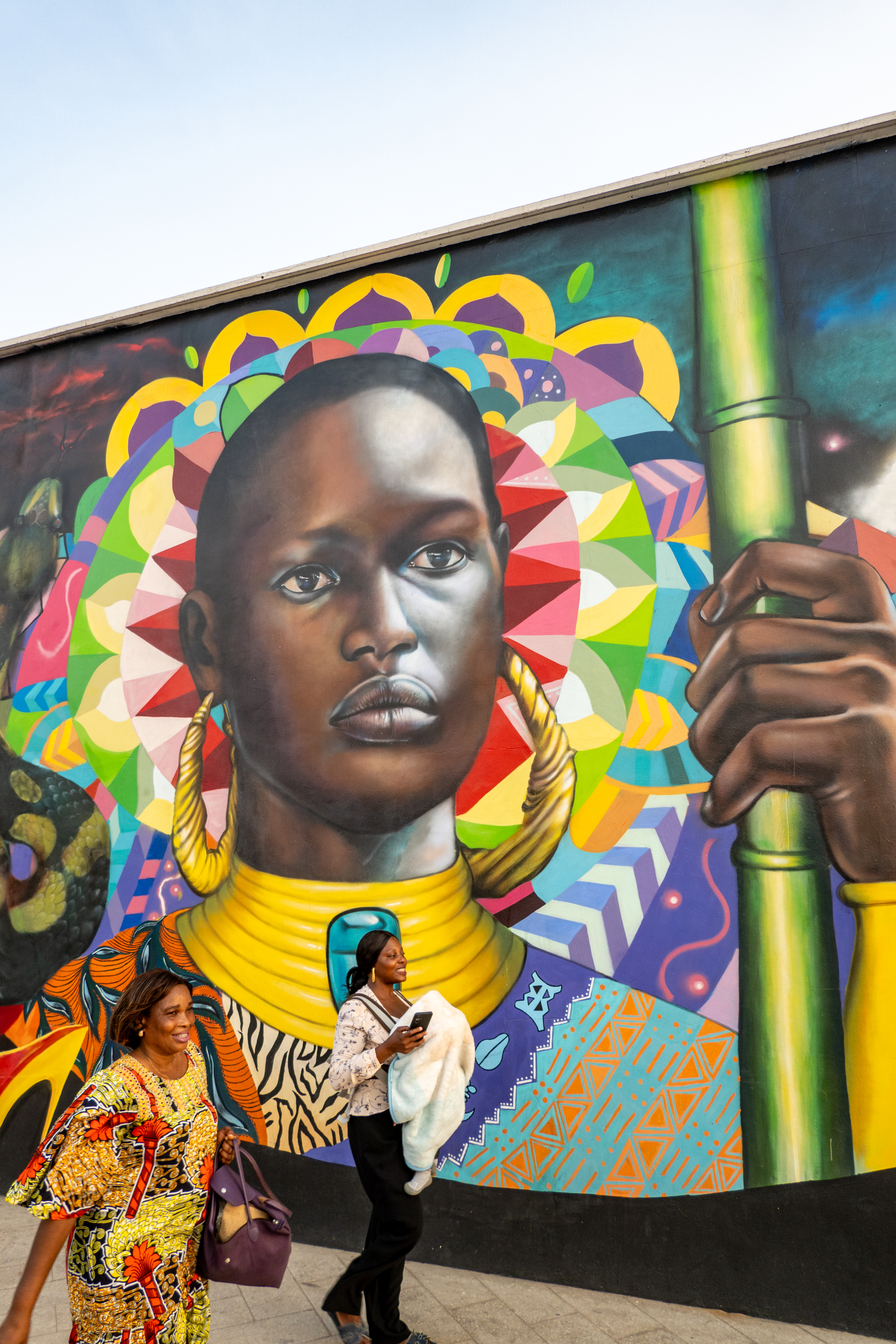
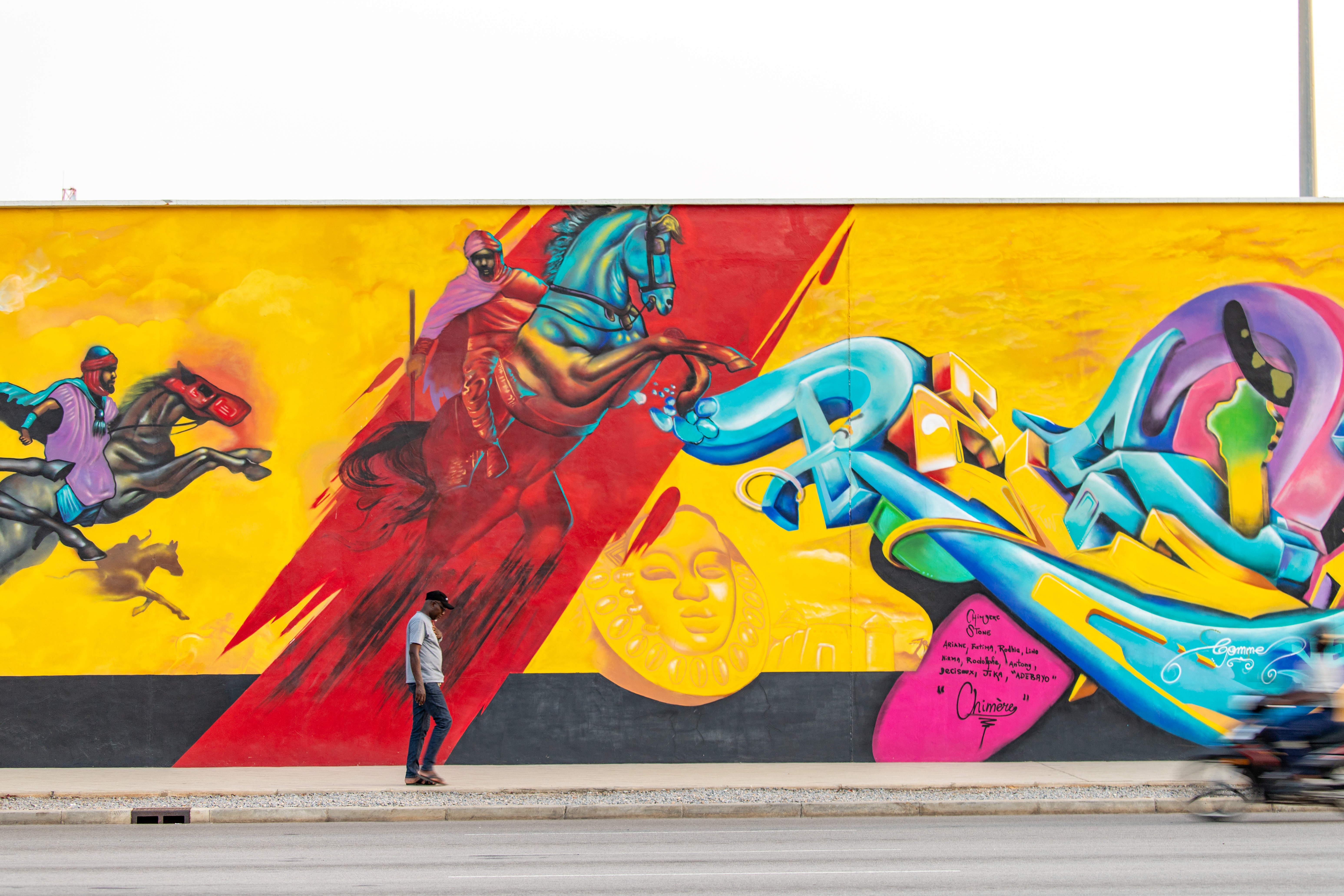
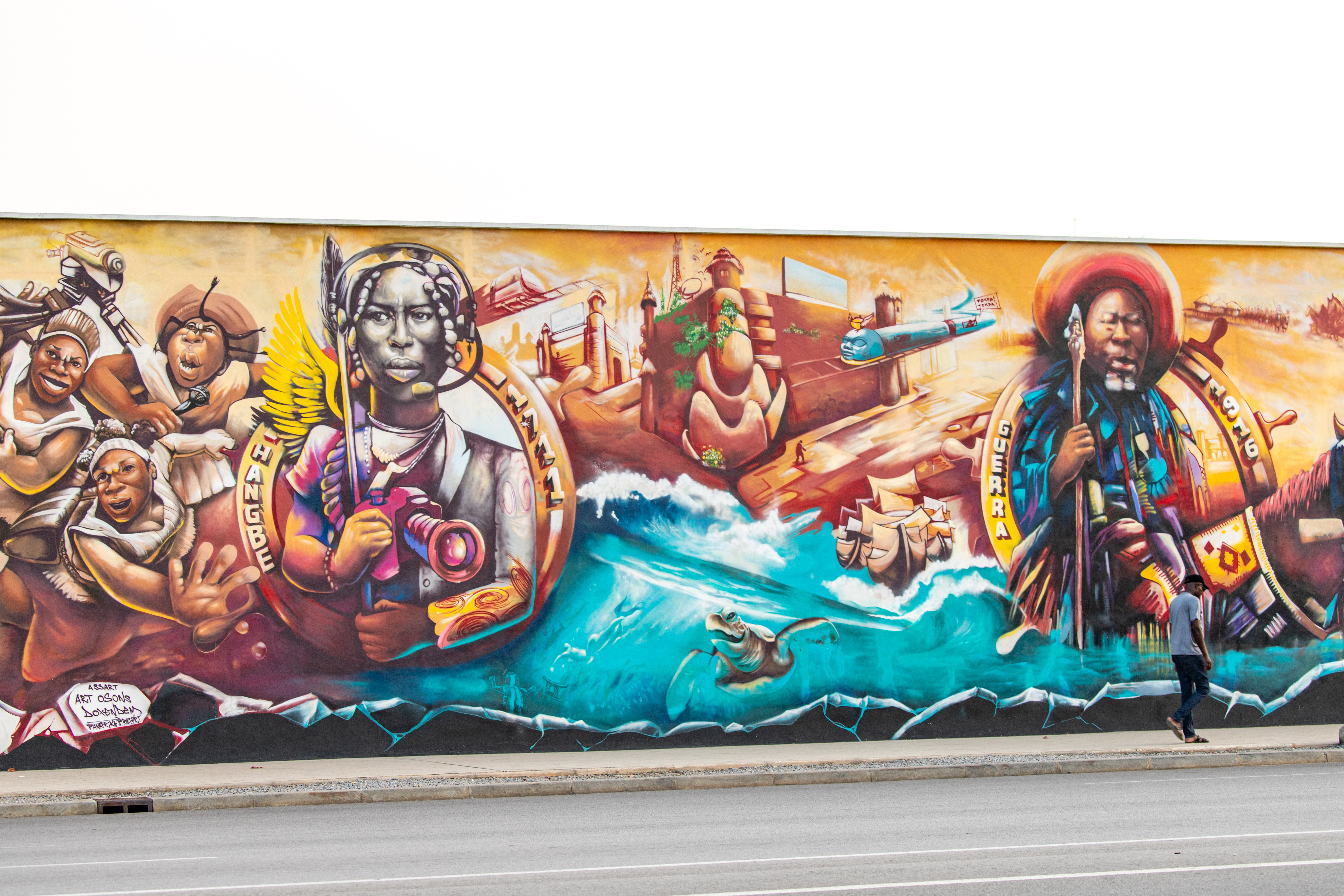
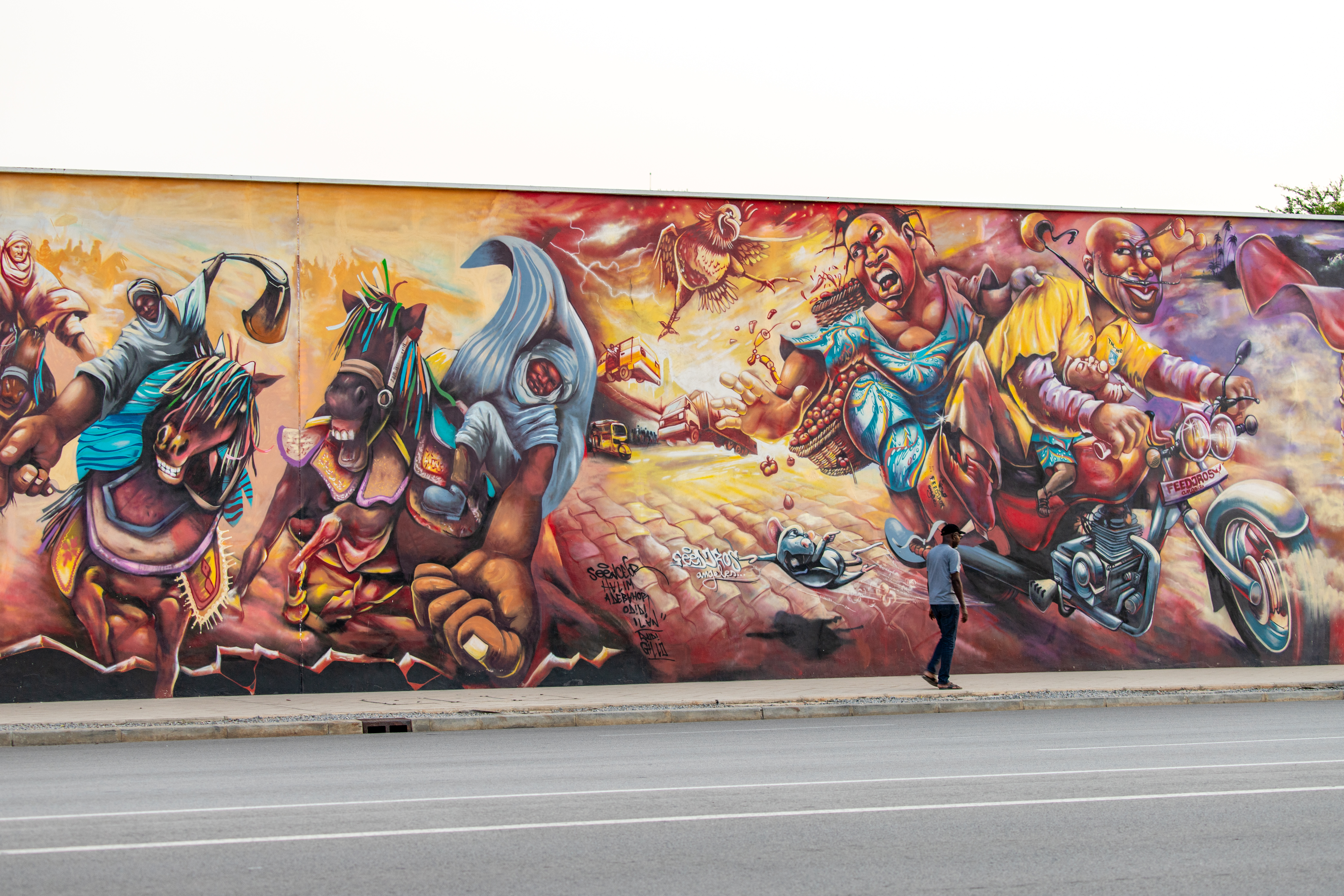
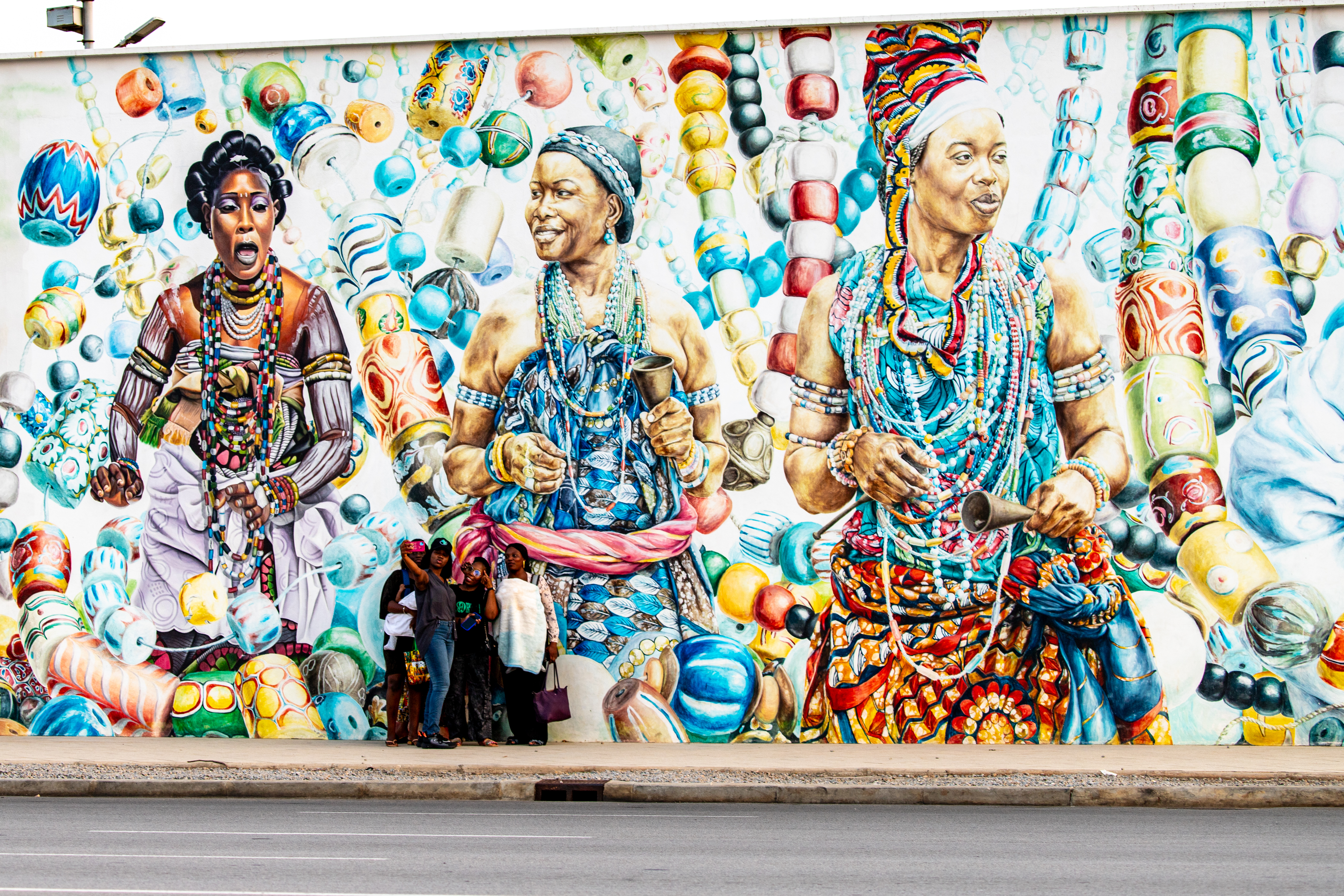
We got back into the van around 17:00, and then drove southeast into downtown Cotonou. We stopped right near a massive statue of an Amazon woman. The statue is 30 meters (100 feet) tall, and honors an all-female military group from the Dahomey Kingdom. It seemed appropriate to see this right on the eve of Women’s Day. There was a huge park right around the statue, and the Presidential Palace was across the street. [This seemed a bit odd given that Cotonou is not the capital of Benin.] We walked down the street for maybe a kilometer, along a huge wall mural with paintings from dozens of different artists. When we reached the end, we crossed to the opposite side of the street and walked back, able to enjoy the artwork from a little further away.
 |
 |
Once back at the vehicle, it was less than 5 minutes to the hotel (Maison Rouge). It was kind of hectic when we arrived, as Hertz wanted to make sure to get the food ordered and the wi-fi working and the rest of us were still decompressing and just wanted to chill. There were some under-the-breath comments from several people, but with a group of several people, different folks are going to have different schedules, and some are going to want a more regimented itinerary whilst others are willing to adapt to whatever. In the room we privately vented, then relaxed until dinner at 20:00.
 |
 |
The hotel was very nice, and was run by a French gentleman. The place could’ve easily passed for being in France, actually. At the dinner table we ordered a couple of Jack and Cokes. Crystal got a Greek salad, and Justin got steak frites. Hertz had ordered his dessert ahead of time, and left as soon as he finished his dessert, before the rest of us even ordered dessert. Apparently he was an early to rise, early to bed kind of guy.
 |
 |
The rest of us enjoyed chatting the rest of dinner. Sena told us a bit about his family. He and his wife have 5 kids - boy, girl, girl, boy, boy. Stephenie and Jane met on a trip to Algeria a few years ago, and became fast friends. Jane sadly lost a house in the Palisades fires. We told her that we used to go eat at Vittorio regularly, and that we miss that place. She brought up their garlic balls, and we all lamented the loss. Jane had also summited Kilimanjaro, going up the Western Breach like we did. So incredibly, 4 of the 7 of us had climbed Kilimanjaro - Hertz had previously said he had summited it as well. Eventually everyone else left, and we got our third Jack and Coke, which we paid for on our own. The waitress got a kick out of us doing French Duolingo; she said it was like her doing English. We got up to the room a bit before 23:00, and went to sleep in short order.
| Previous Entry |