We were up around 06:00, and made sure to shower, since Sena had warned us yesterday that tonight’s hotel would be rather basic. We were the last ones to breakfast again. We made sure not to eat the eggs, since Taryn thought that might have been her issue yesterday - either that or some accidental water somehow. There were some really tasty madeleine cookies, and Brian boxed up what people didn’t eat so that we could enjoy some later on the bus.
|
|
|
|
|
|
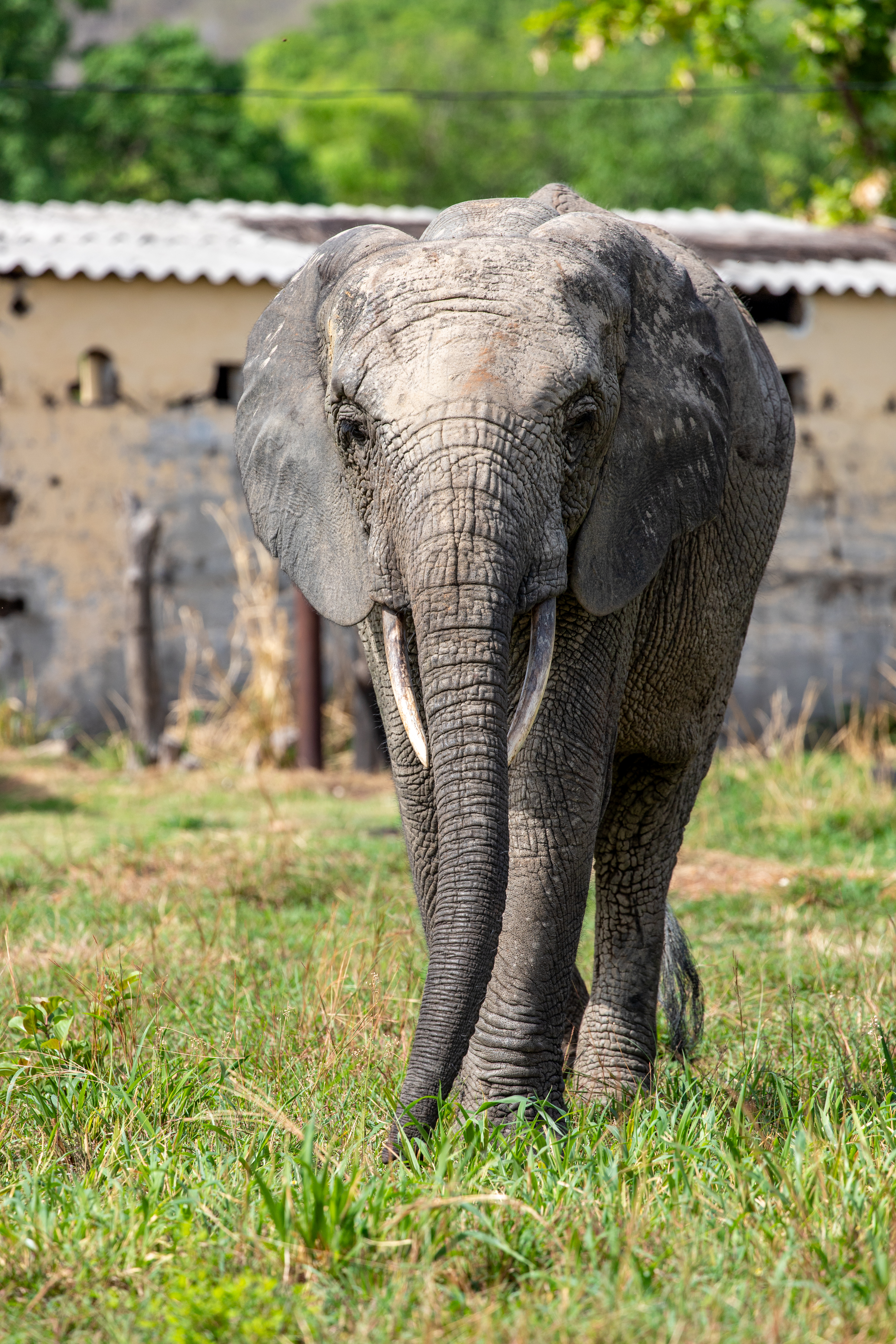
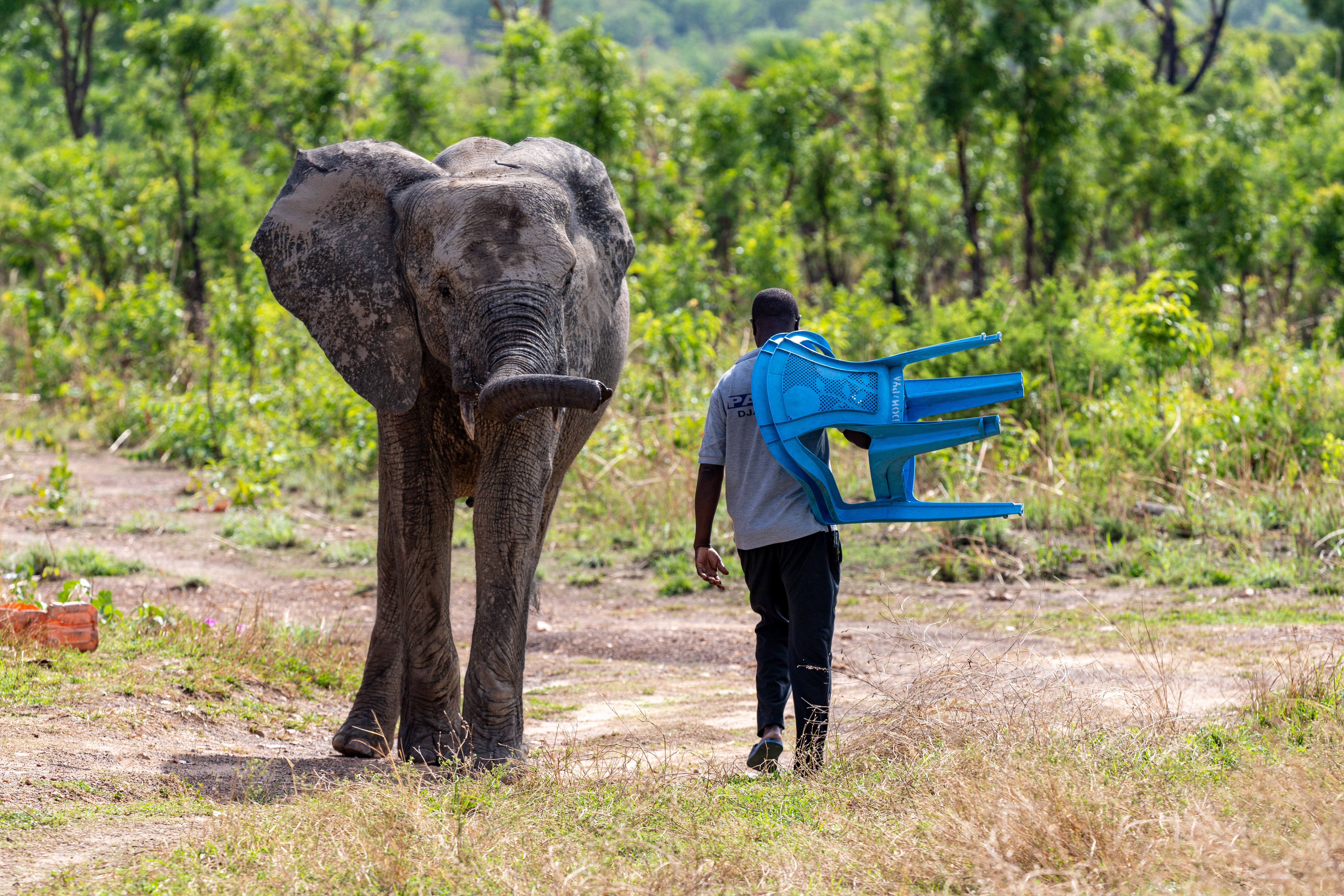
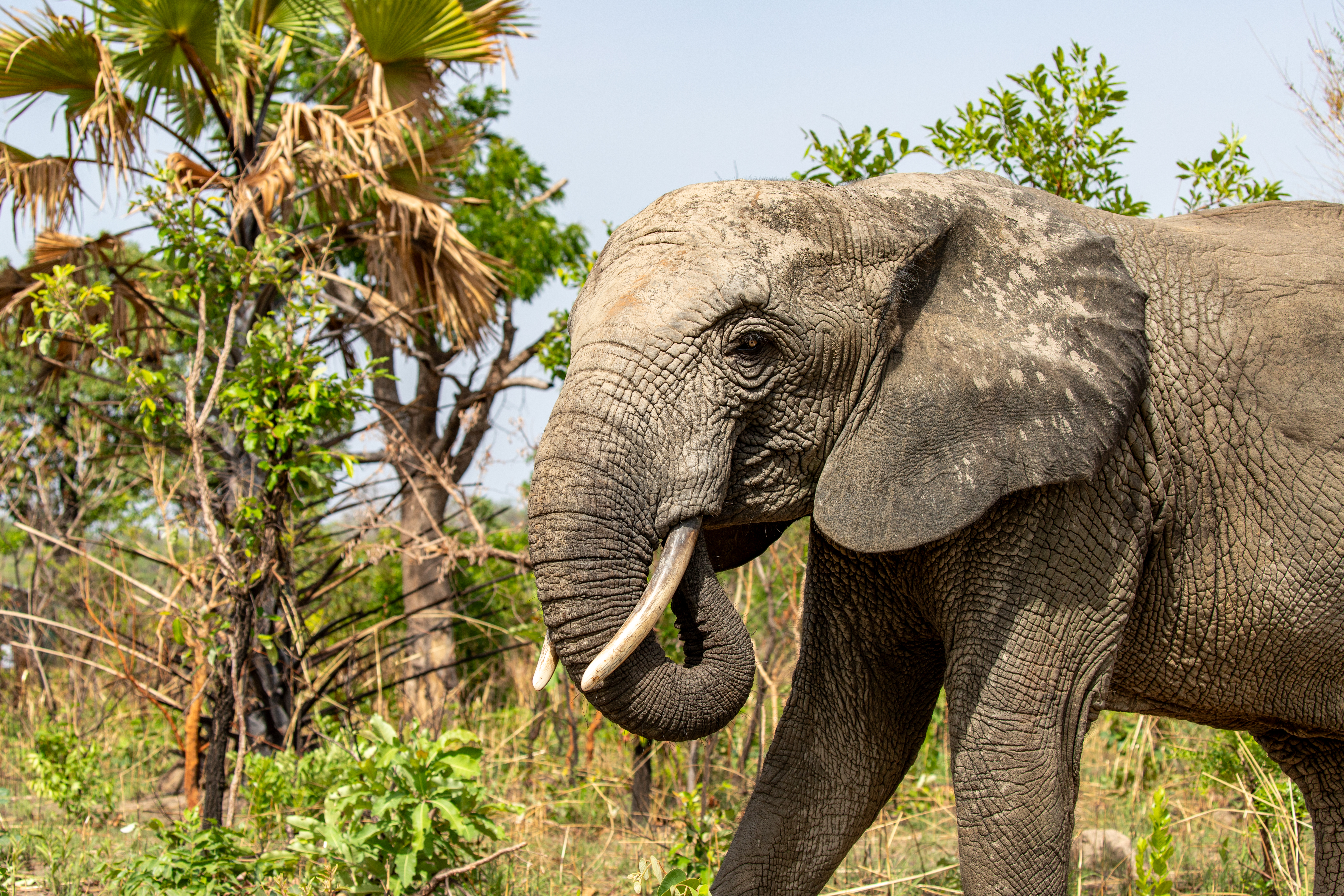
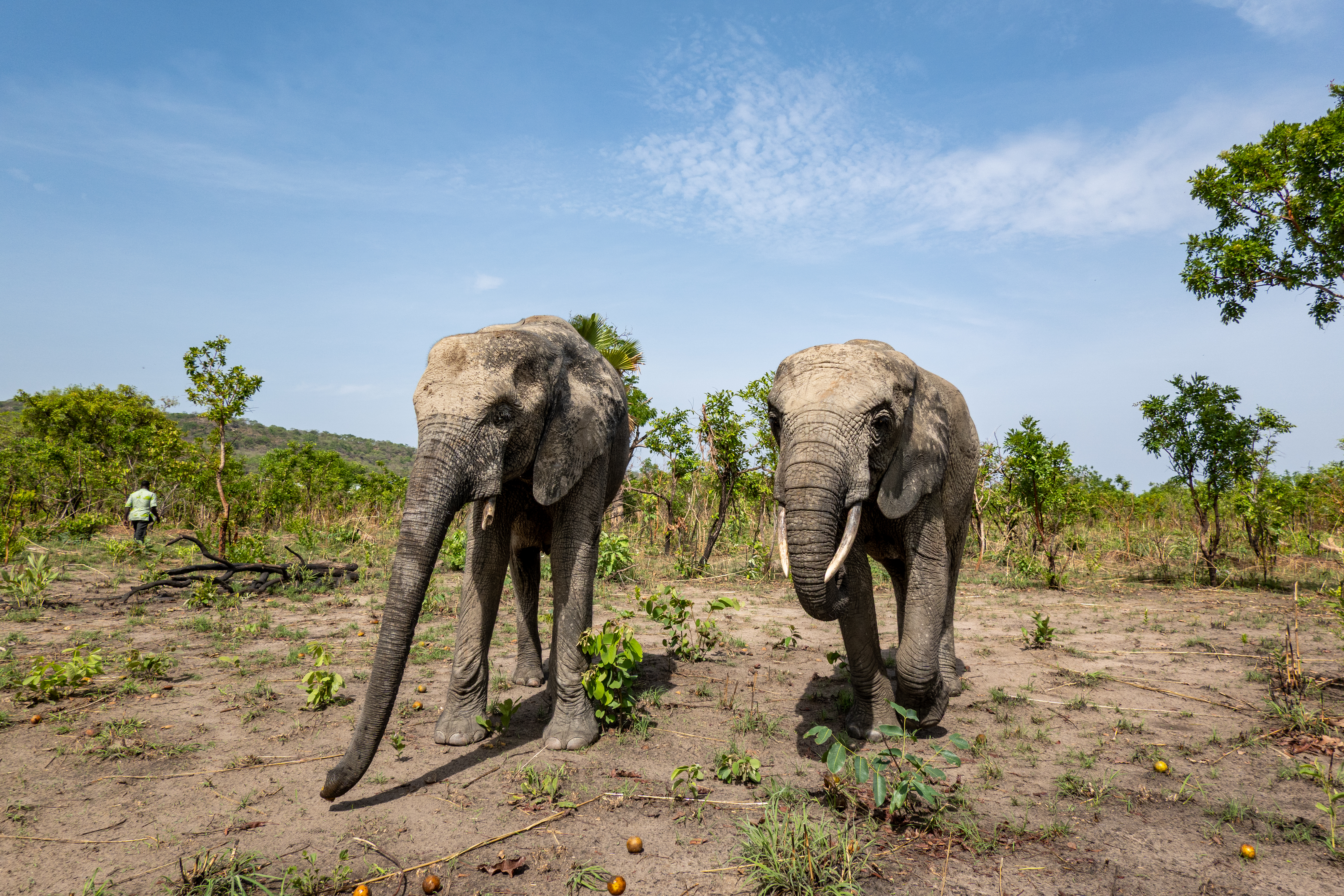
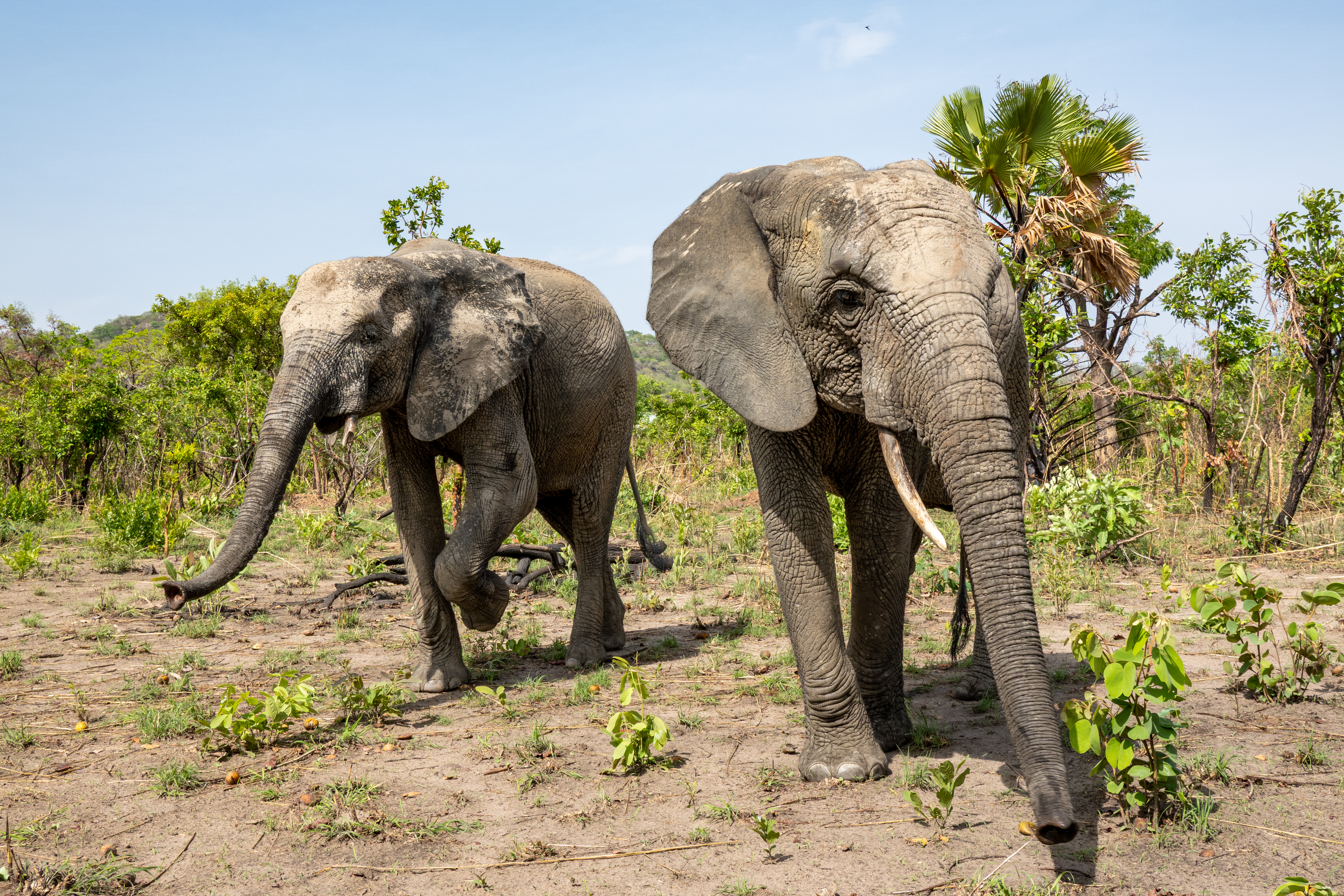
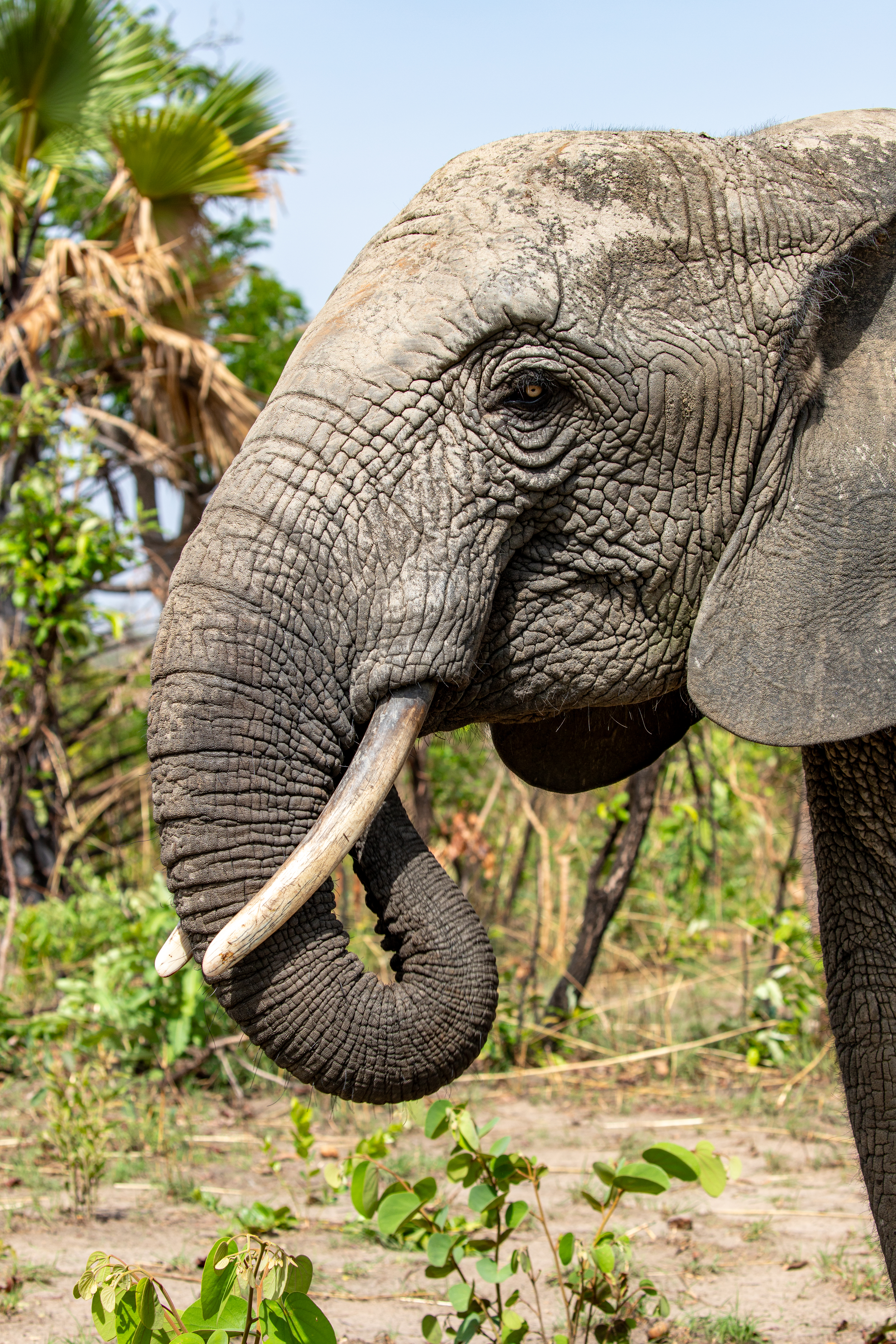
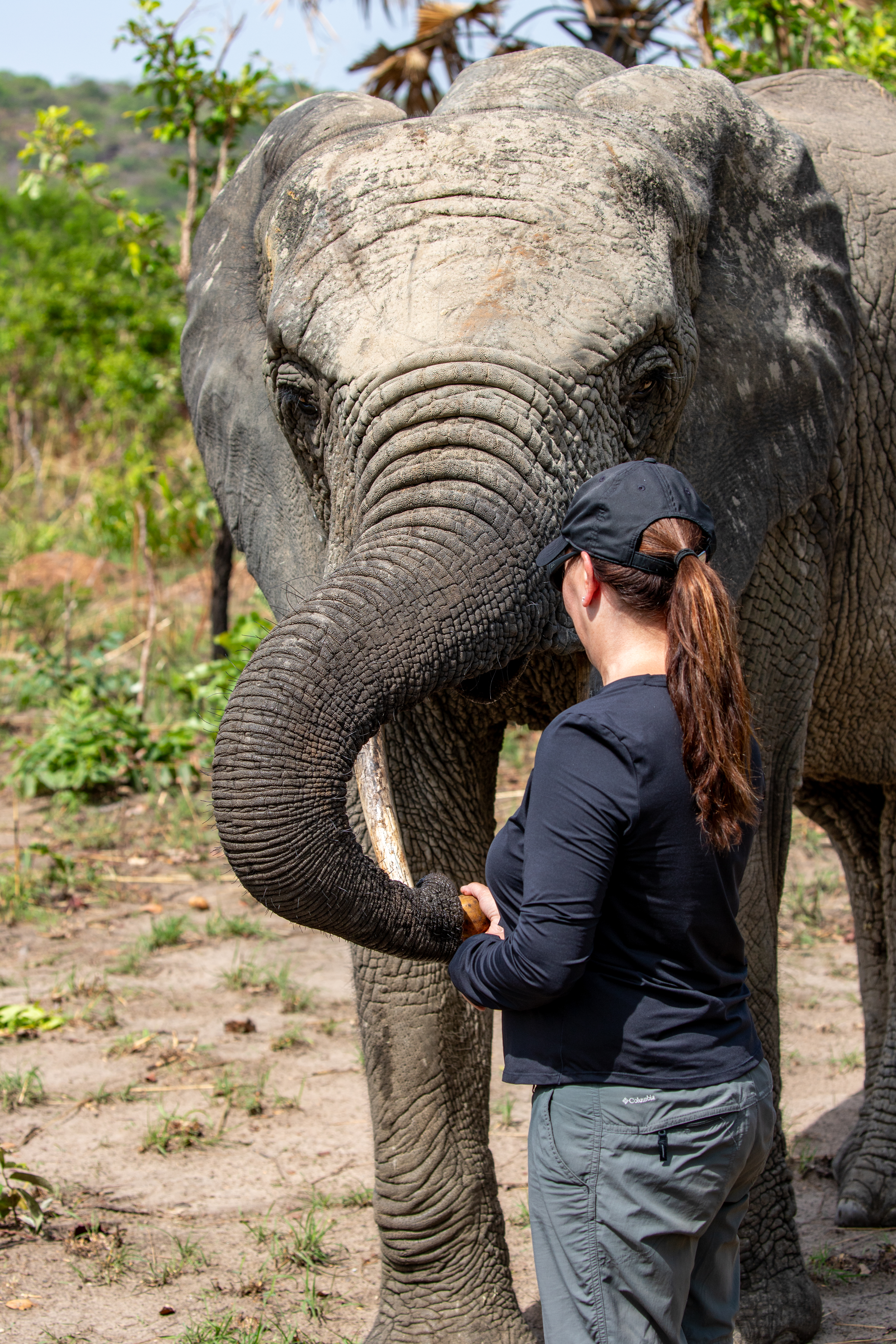
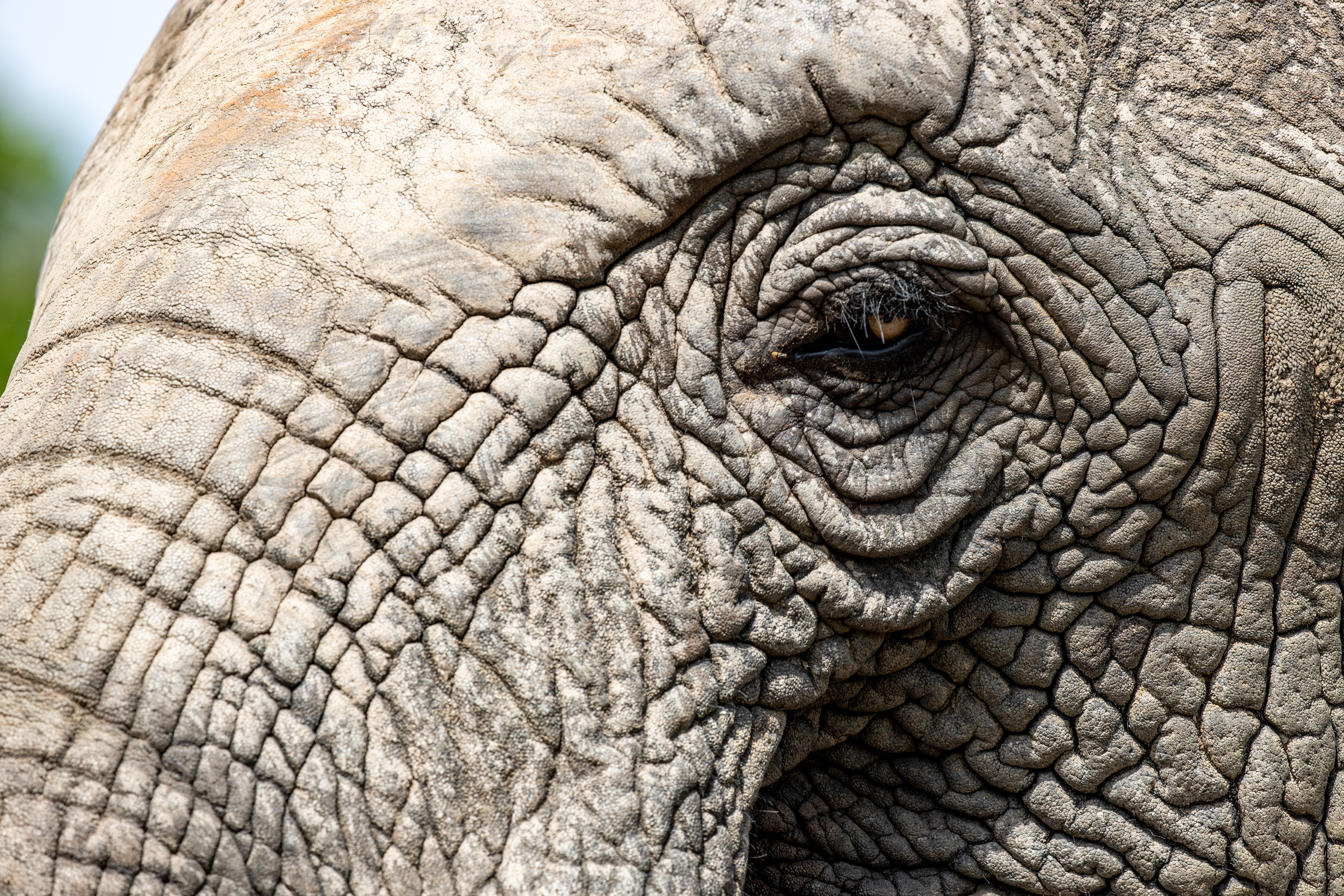
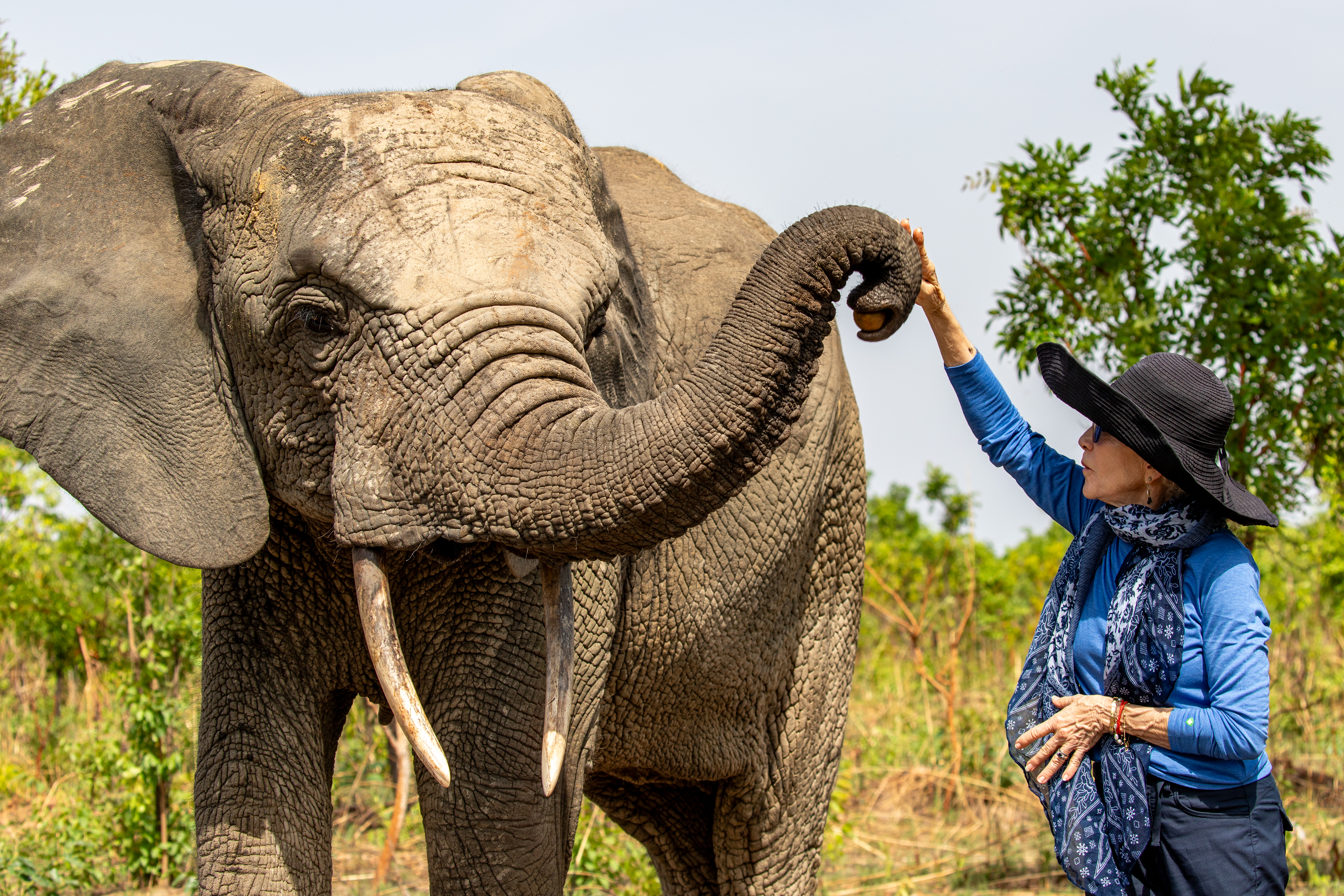
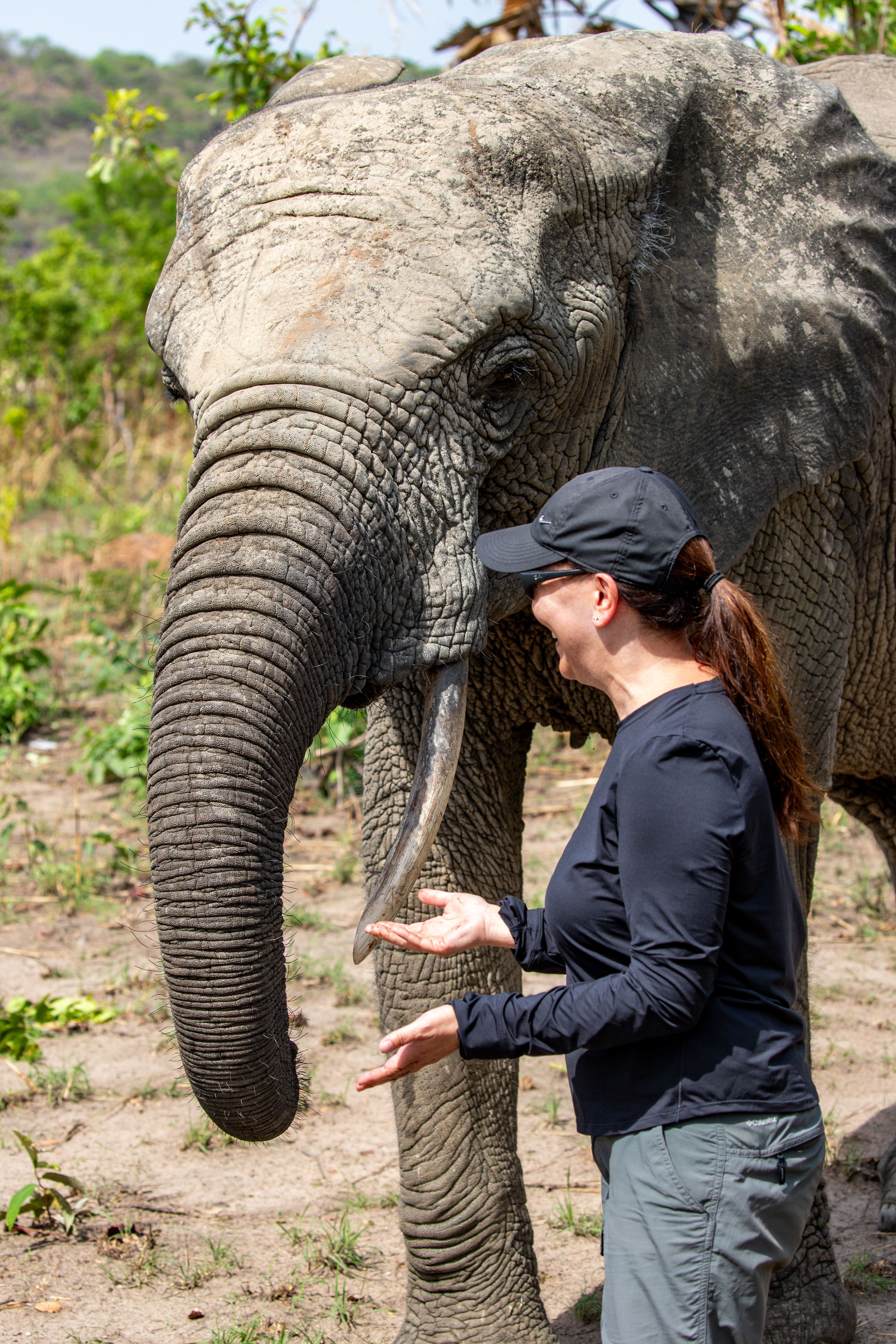
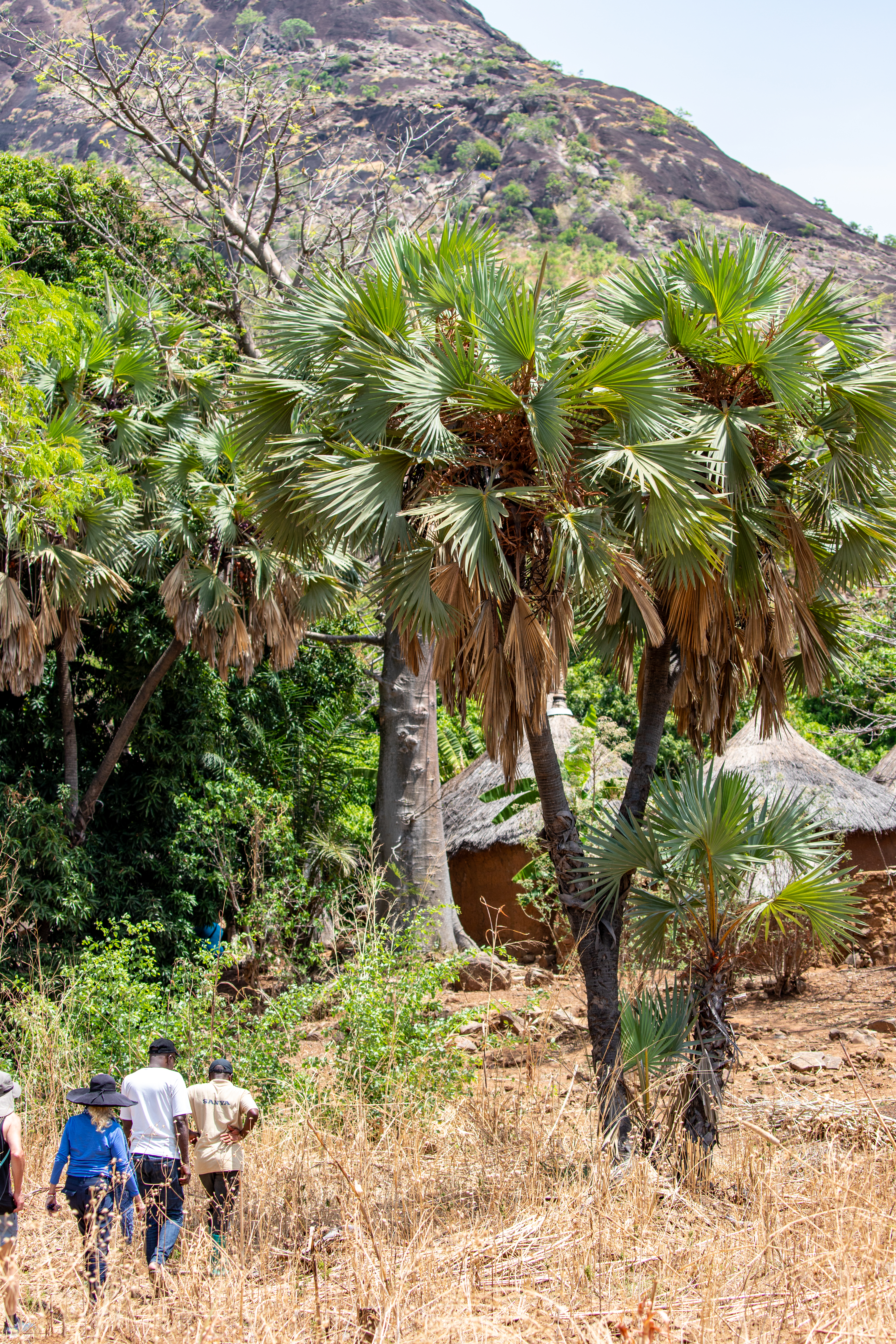
We left around 08:00 and went a little west to Djamde Reserve. The reserve is home to lots of varieties of antelopes, 10 lions (none of which we saw), and two elephants (which we did). The two elephants came as orphans from Burkina Faso around 20 years ago. We received a short briefing, then got to ask some questions about the elephants, their routine, and the reserve. Then we got to have a short breakfast with them. They were eating oranges, and we could hear them crunching the oranges and the liquid coming out - akin to one of us eating a grape. We didn’t stay too long, but it was a nice quick event and it was cool to be so close to elephants again.
 |
 |
 |
 |
 |
 |
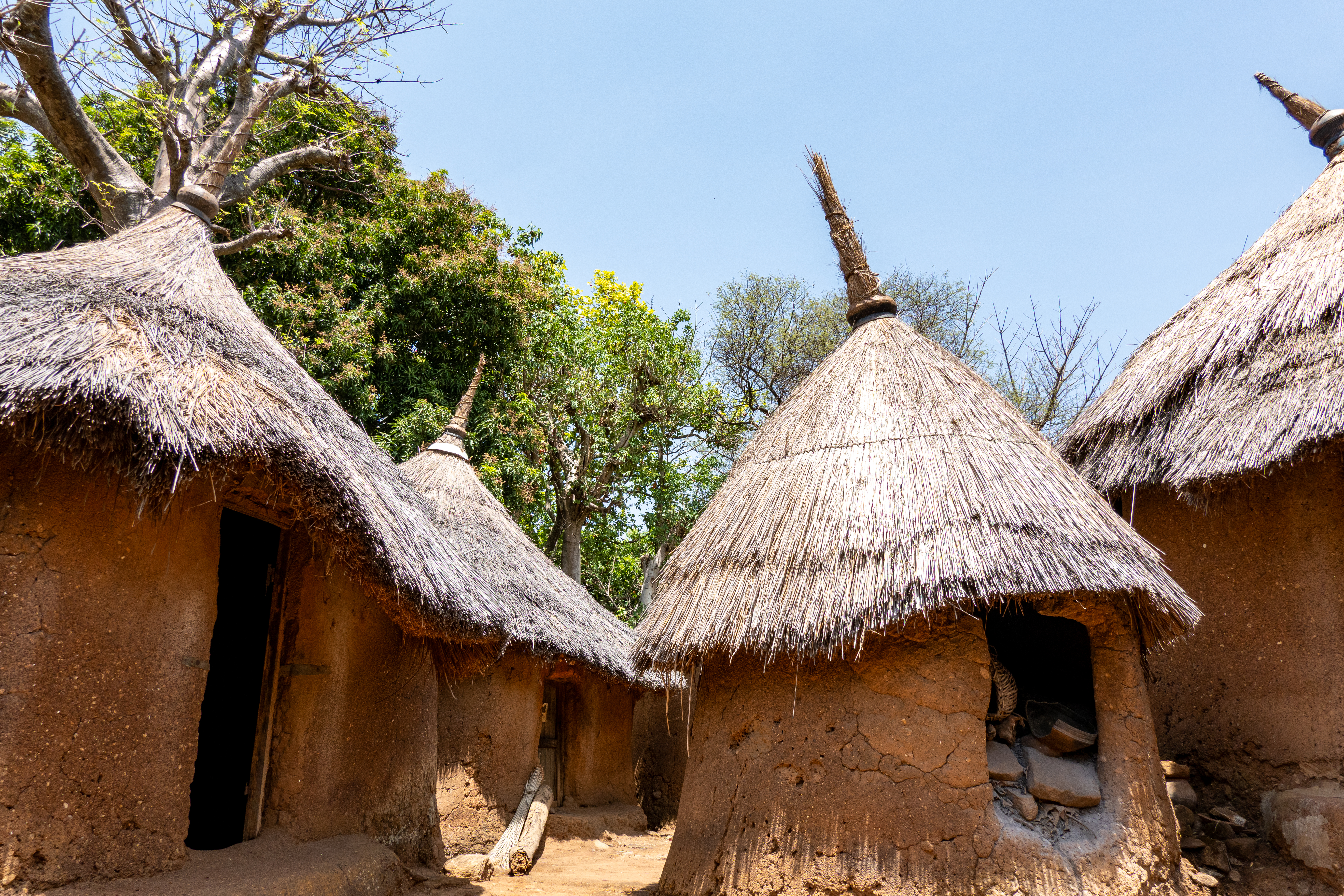
We drove back the way we came, past the turnout to Lumen Valley, and into Kara the way we had gone yesterday. We stopped briefly in town for Taryn to grab some antibiotics; she commented it was by far the cheapest medication she’s ever purchased. From there we went to see a Kabye tribe settlement. The Kabye people live around Kara, and according to the legends, didn’t migrate to the area but instead came down from the sky. The legend was probably based on a translation error, though, as “sky” probably was conflated with “hilltop,” a big plateau near Kara.
 |
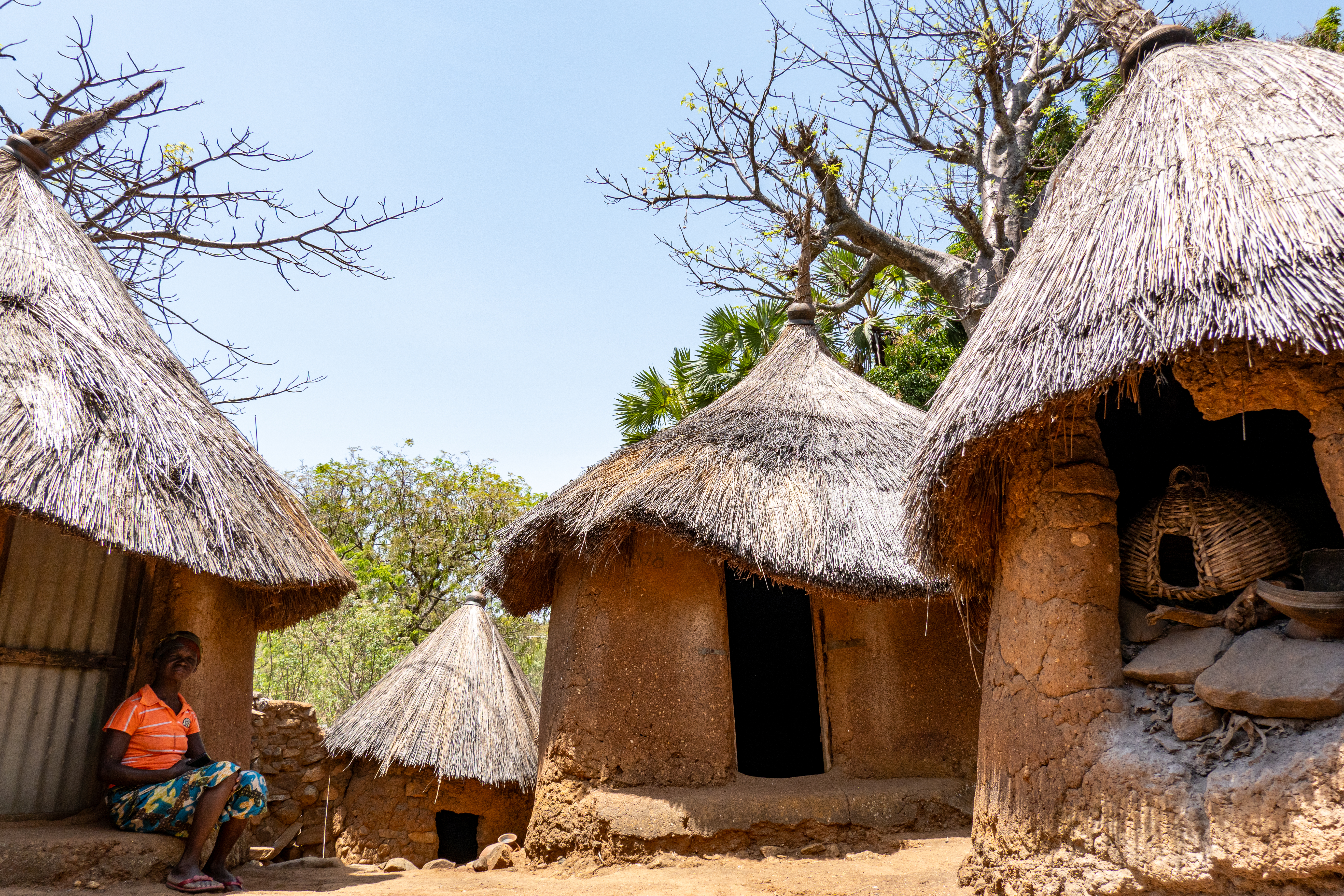 |
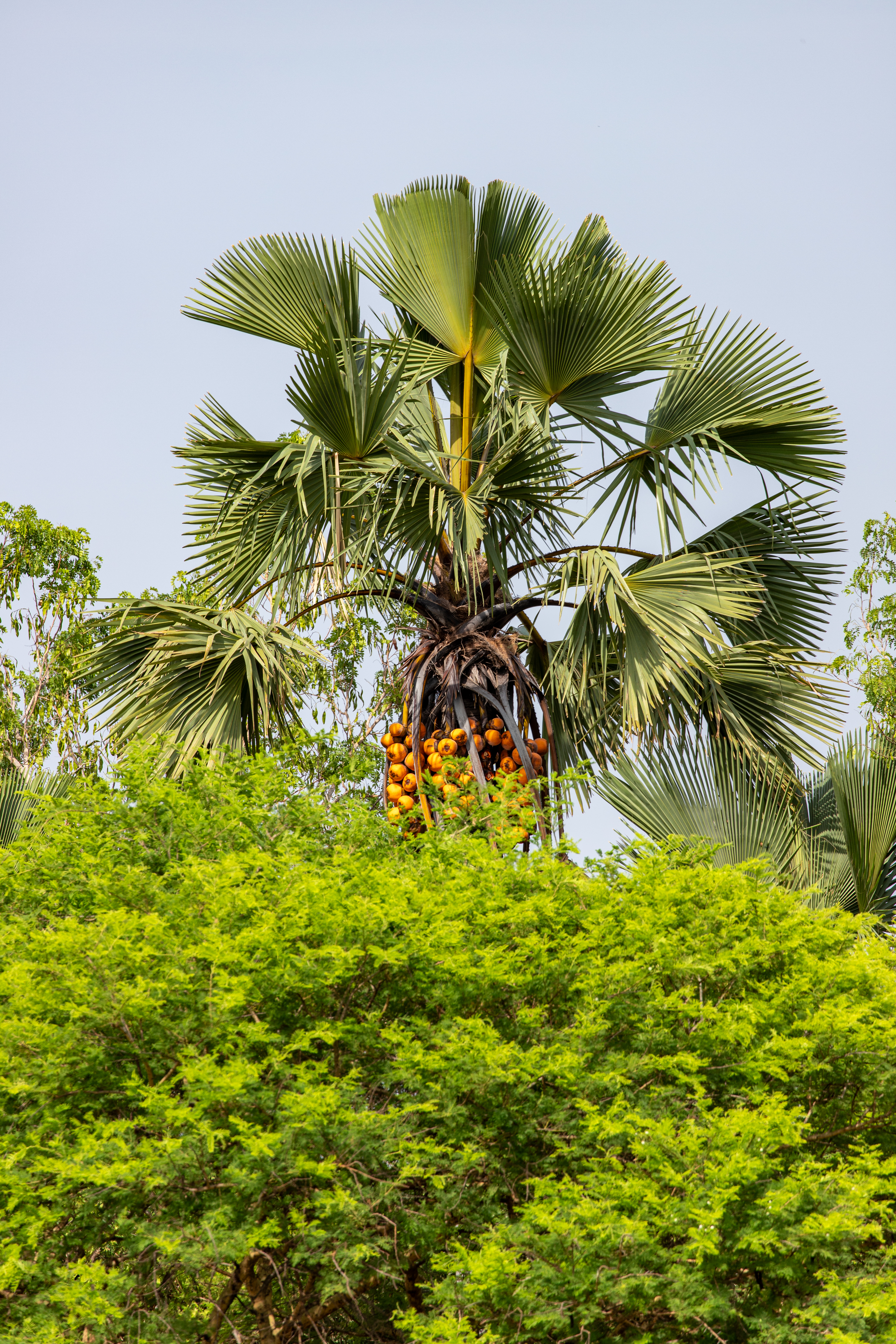
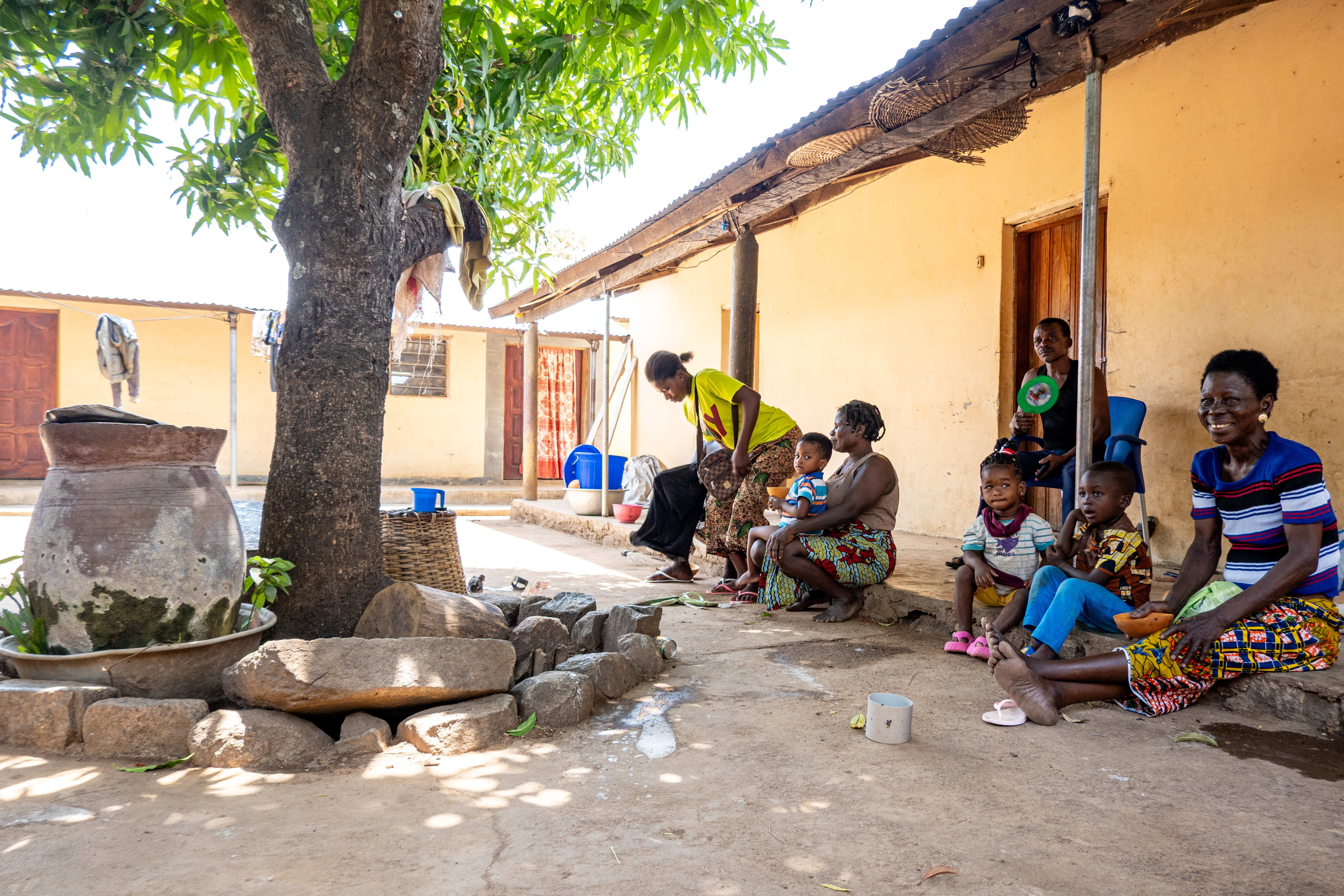
The Kabye people performed terraced agriculture like in Peru or The Philippines, and also made houses from adobe. The houses, like the ones we saw yesterday, were round instead of rectangular. The reason for this is wind resistance, as it is much harder to blow over a house with rounded walls instead of flat ones. The roofs were thatched, with a terracotta pot at the top acting like a giant ponytail holder, keeping the thatch bound together at the top. The kitchen was unsurprisingly all black on the inside, from the years of smoke depositing on the walls. Outside there were Baobabs and Hyphaenes and Mango trees everywhere. The visit was only about 20 minutes, but pretty interesting.
 |
 |
 |
 |
 |
 |
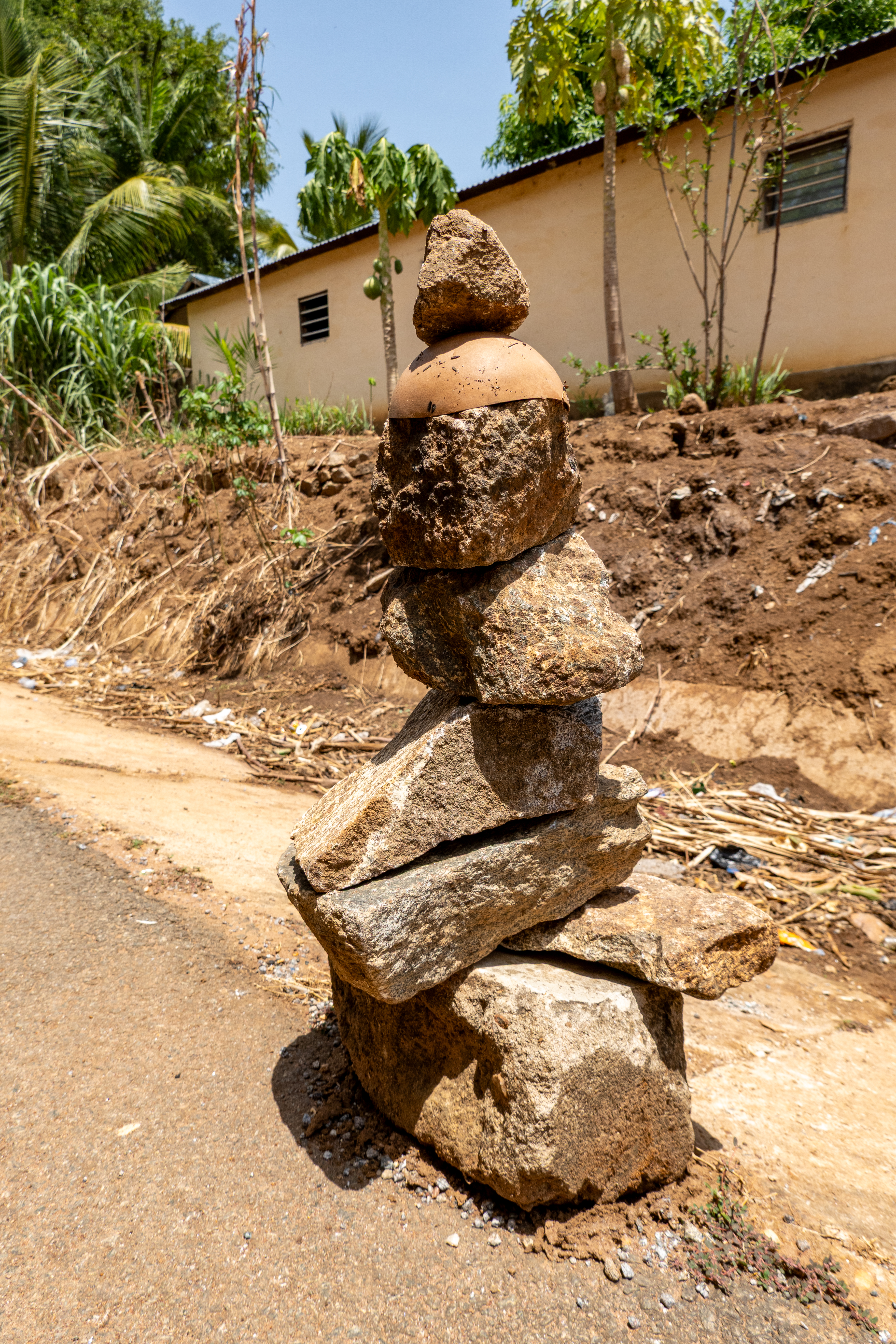
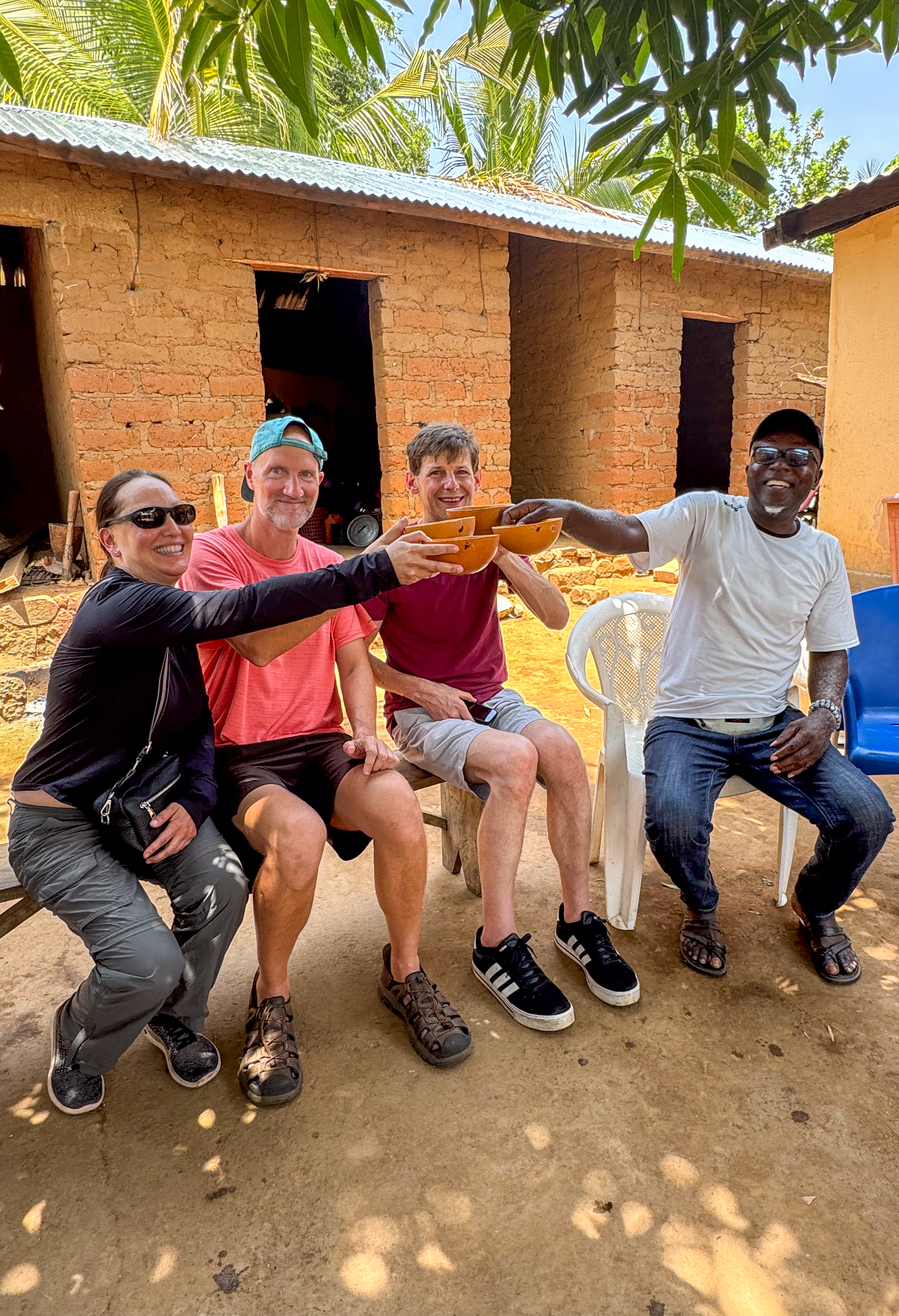
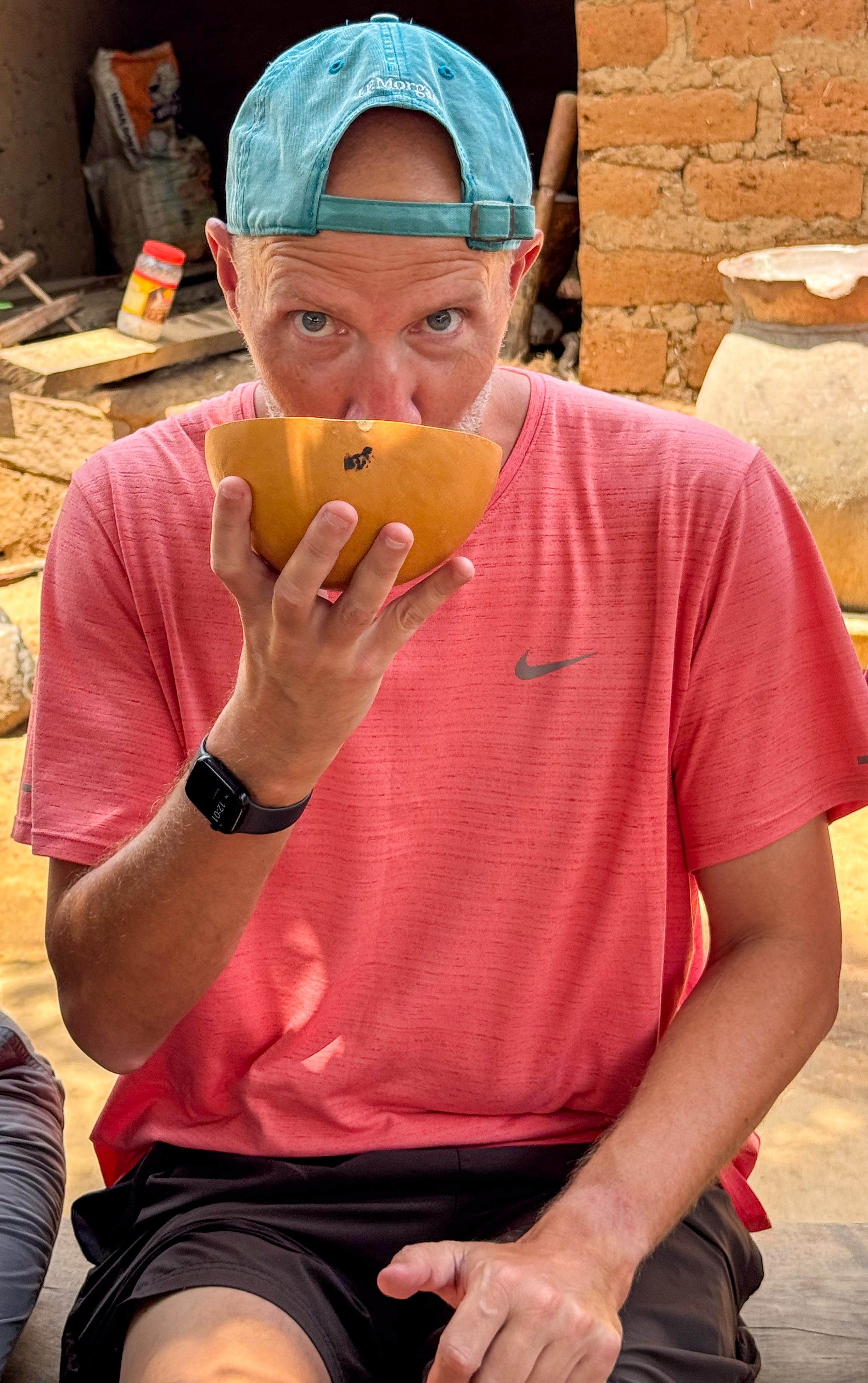
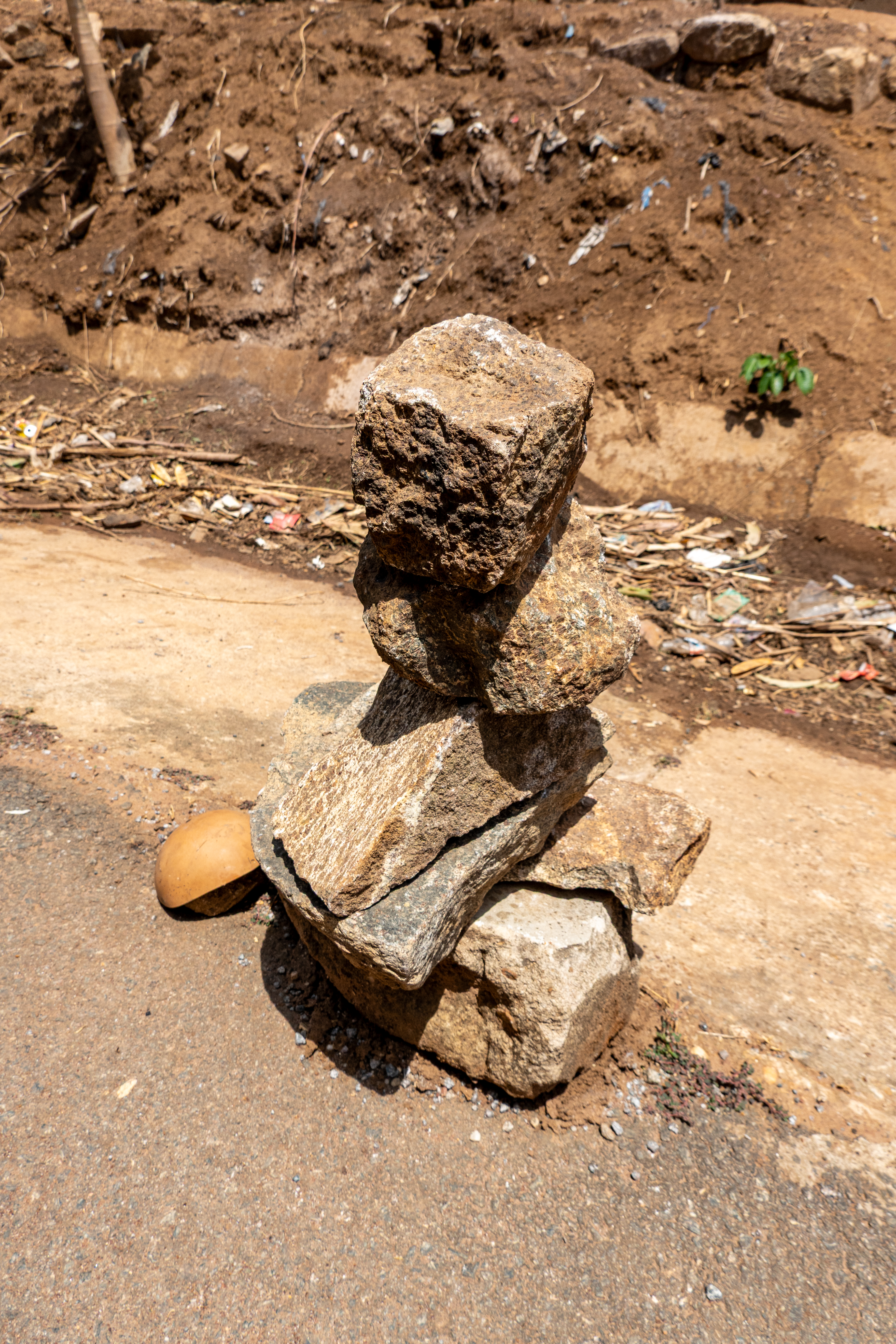
As we drove through the area, Sena pointed out a pile of rocks in front of a building, with a calabash bowl near the top of the pile. He told us that this sort of marker is a sign indicating that local beer is available for sale. Had the calabash been on the ground, that would mean that usually beer is available there, but that it is done for the day. He asked if we wanted to partake, and we agreed. So we went into one of the “bars”, opened it up, and closed it down. Sena paid 2500CFA (about €4-5) to buy a little for us and then for the rest of the neighbors to enjoy. So we (plus Brian and Sena) drank sorghum beer out of a Calabash bowl with over a dozen of our new friends. The beer tasted a bit like a sour, and was actually pretty good. The place turned festive very quickly, like a small block party. It was a really great experience, especially since it was impromptu, and everyone seemed to enjoy it immensely.
 |
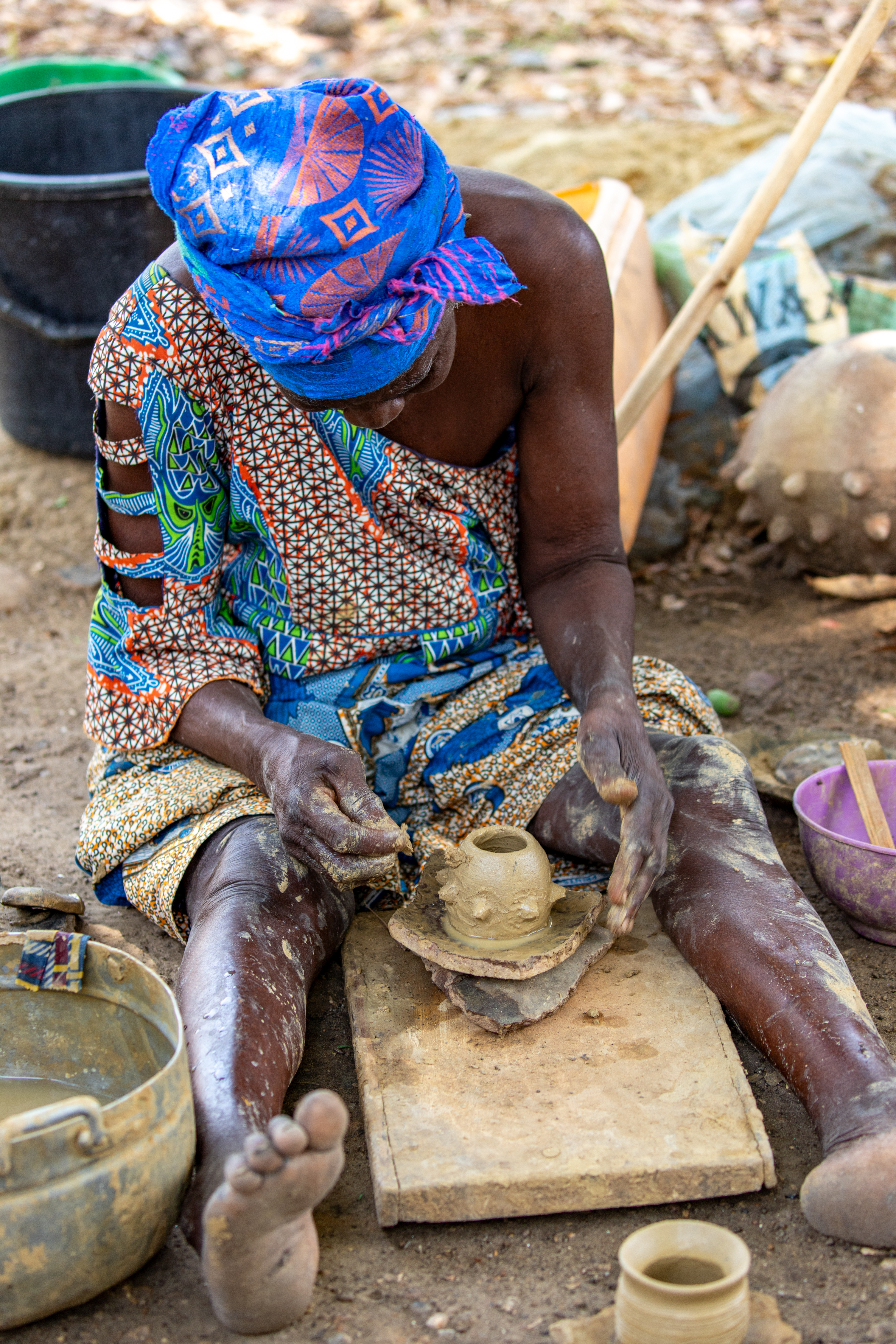 |
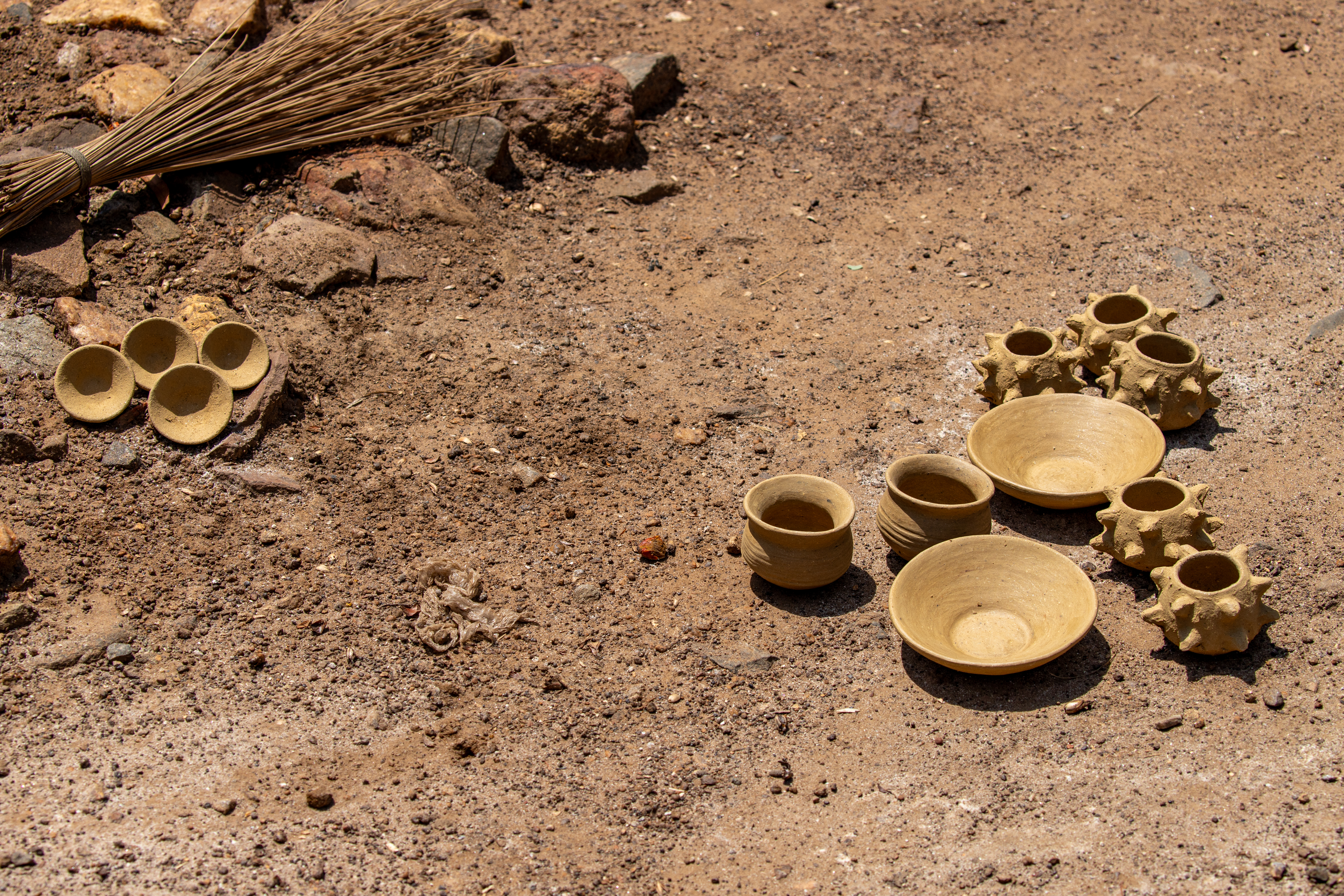
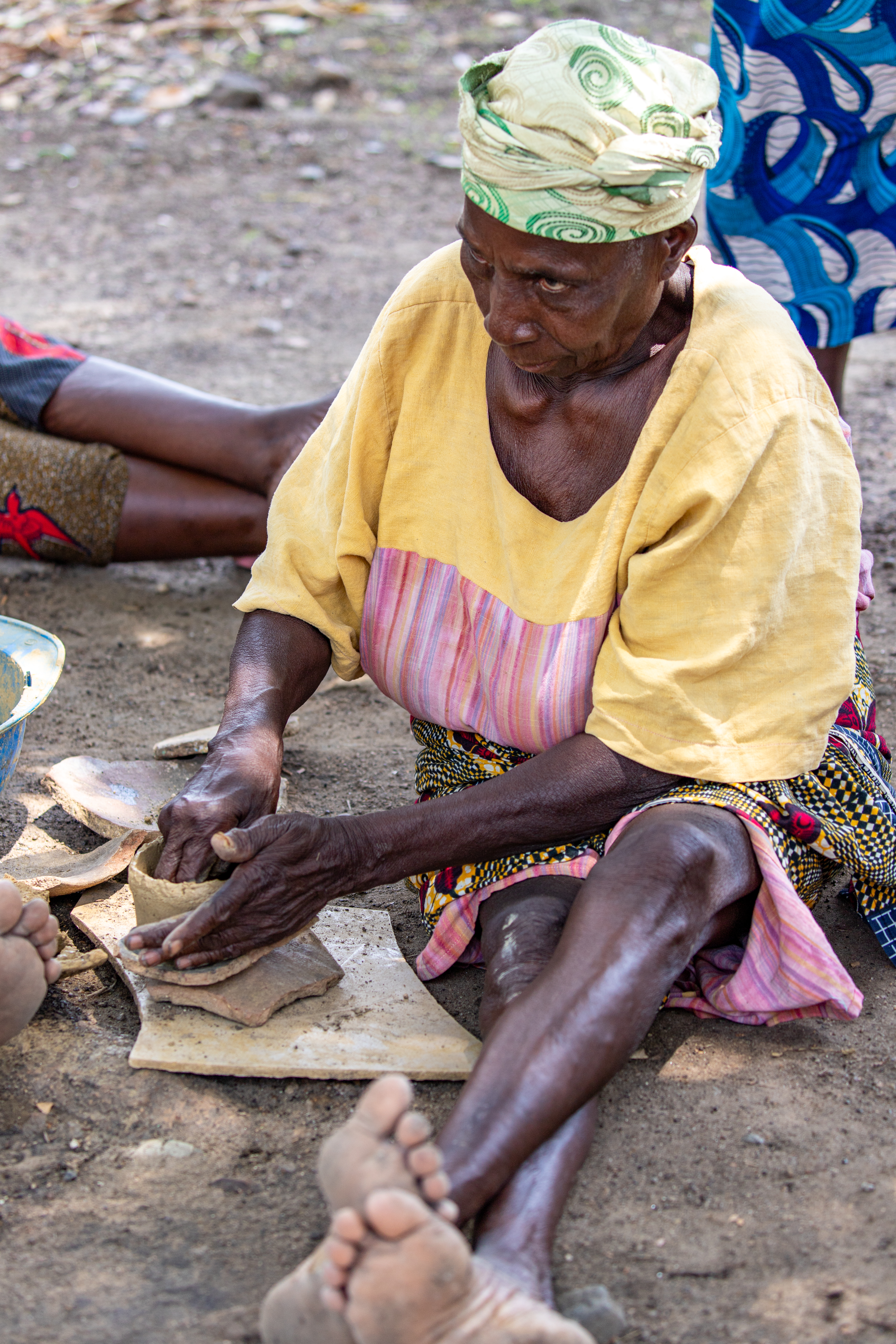
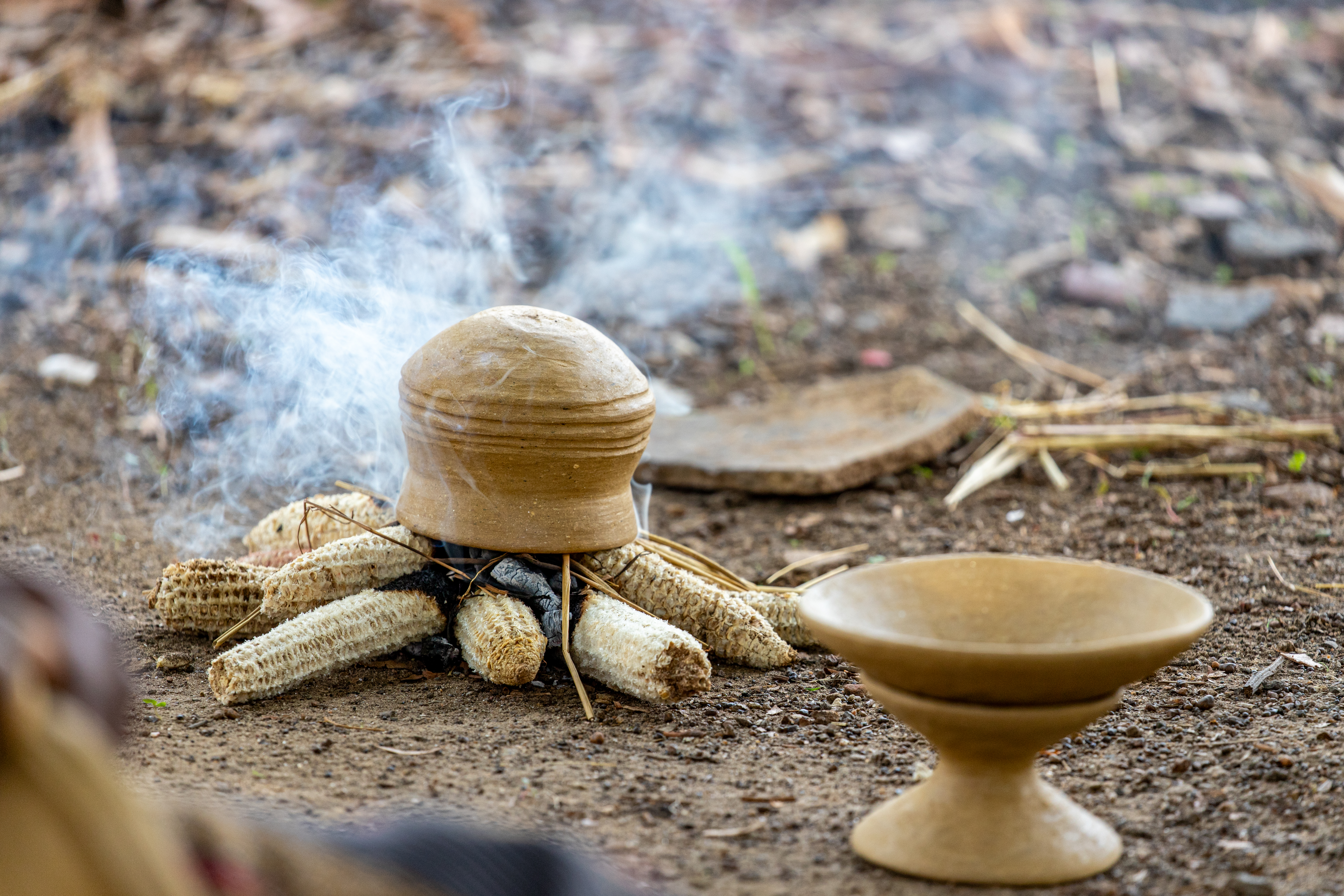
When we got back to the car, we saw that the calabash on the rock pile had been removed, since there was no more beer to sell. We continued on to a place where Kabye women were making pottery with no machines or modern technology. They were just sitting on the ground in the shade, doing everything by hand. The pottery got black “paint” from smoking corn husks and putting the pottery on top. We weren’t interested in purchasing anything, but Taryn was, and we were able to gift her some bubble wrap, since Crystal’s new pink bag from Benin meant Justin got her Lufthansa bag for his chargers, meaning the bubble wrap he was using for his chargers was no longer needed.
 |
 |
 |
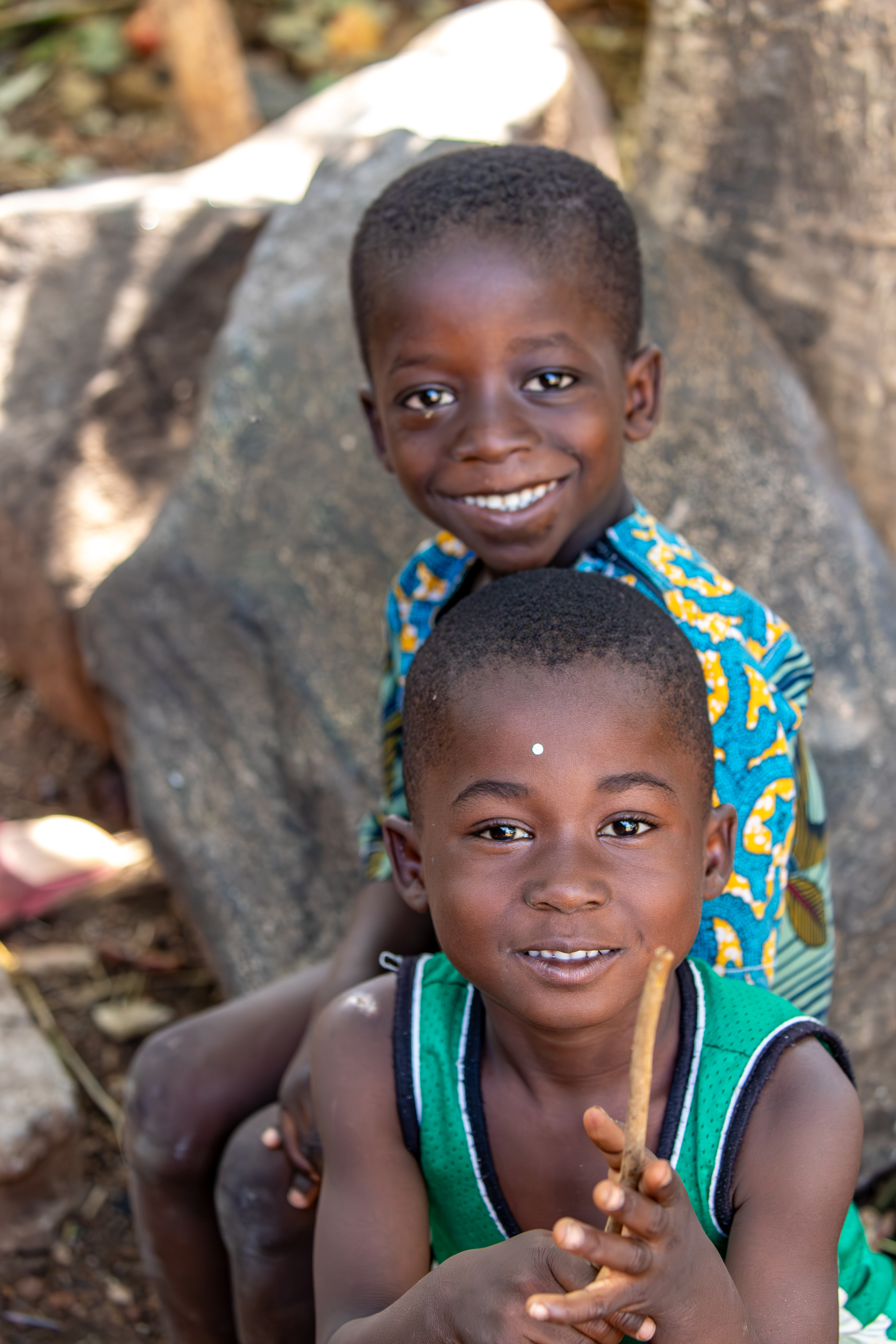 |
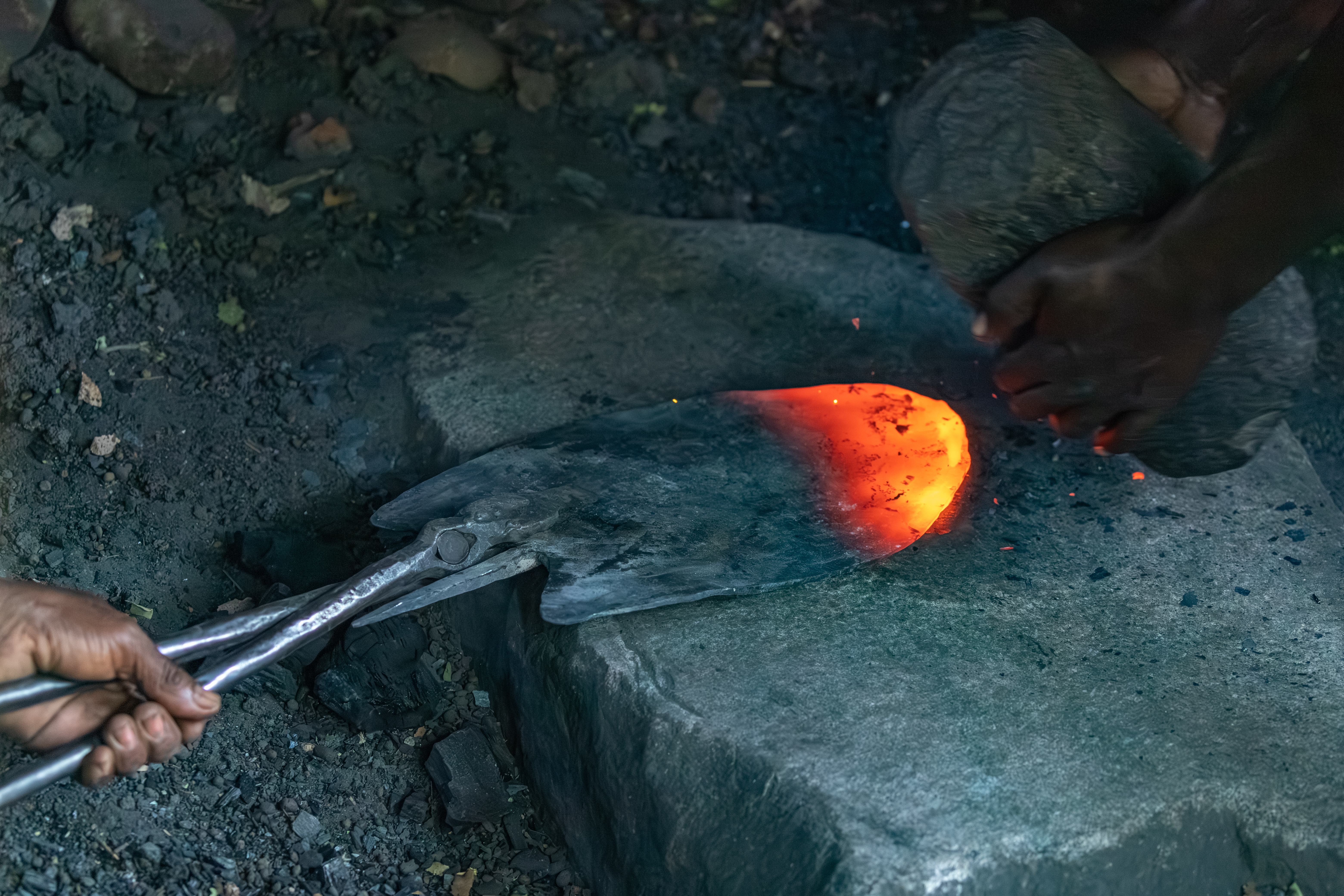
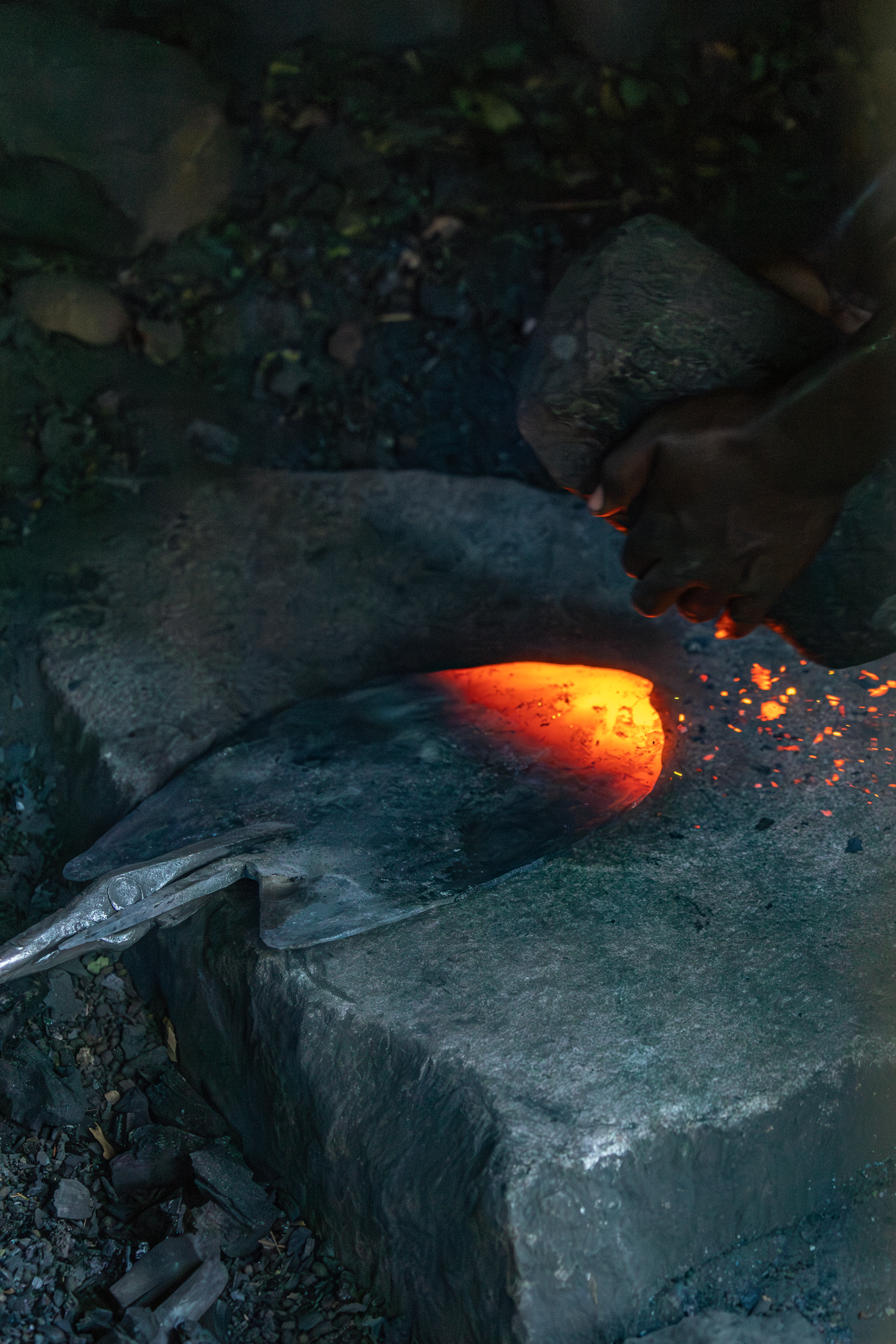
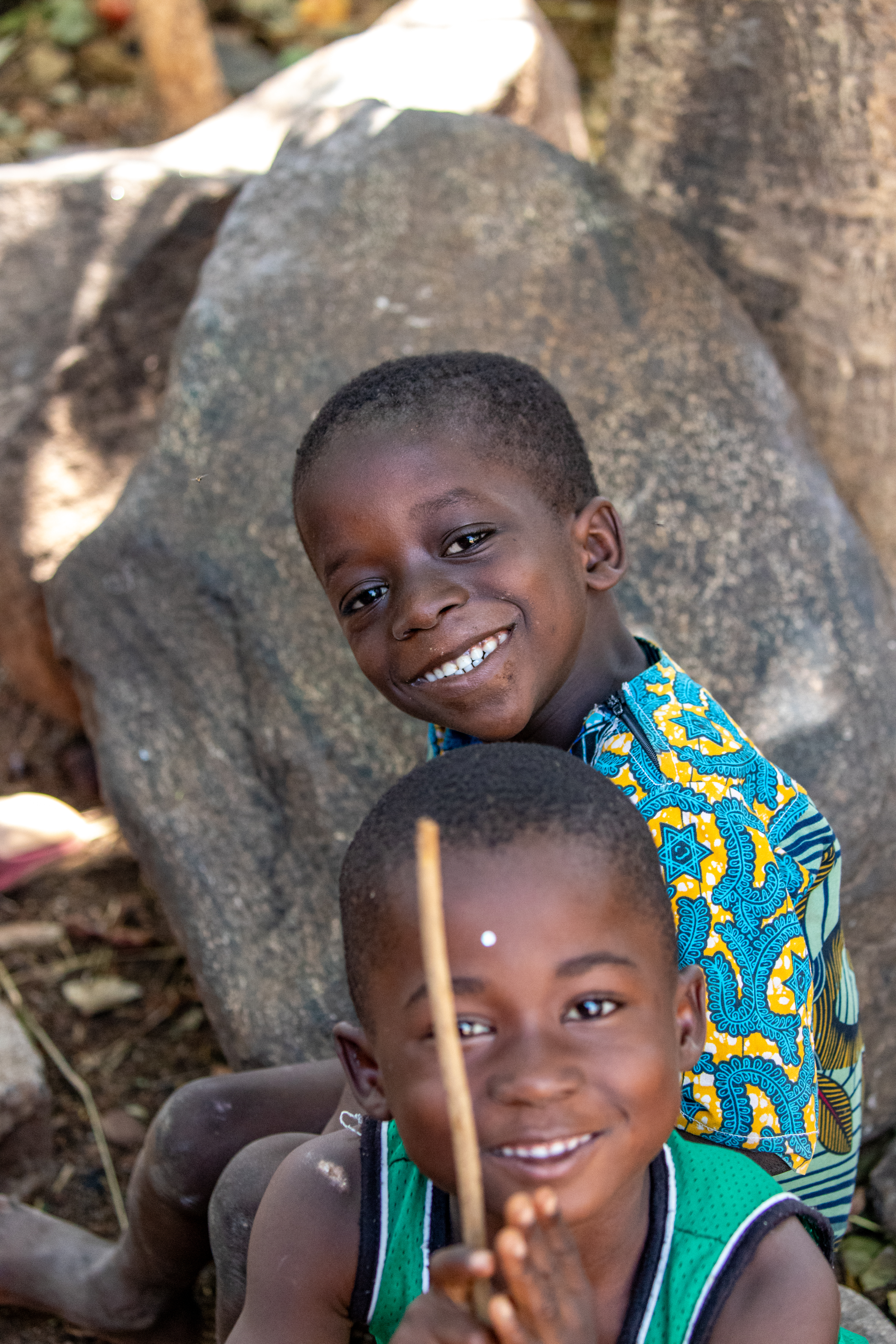
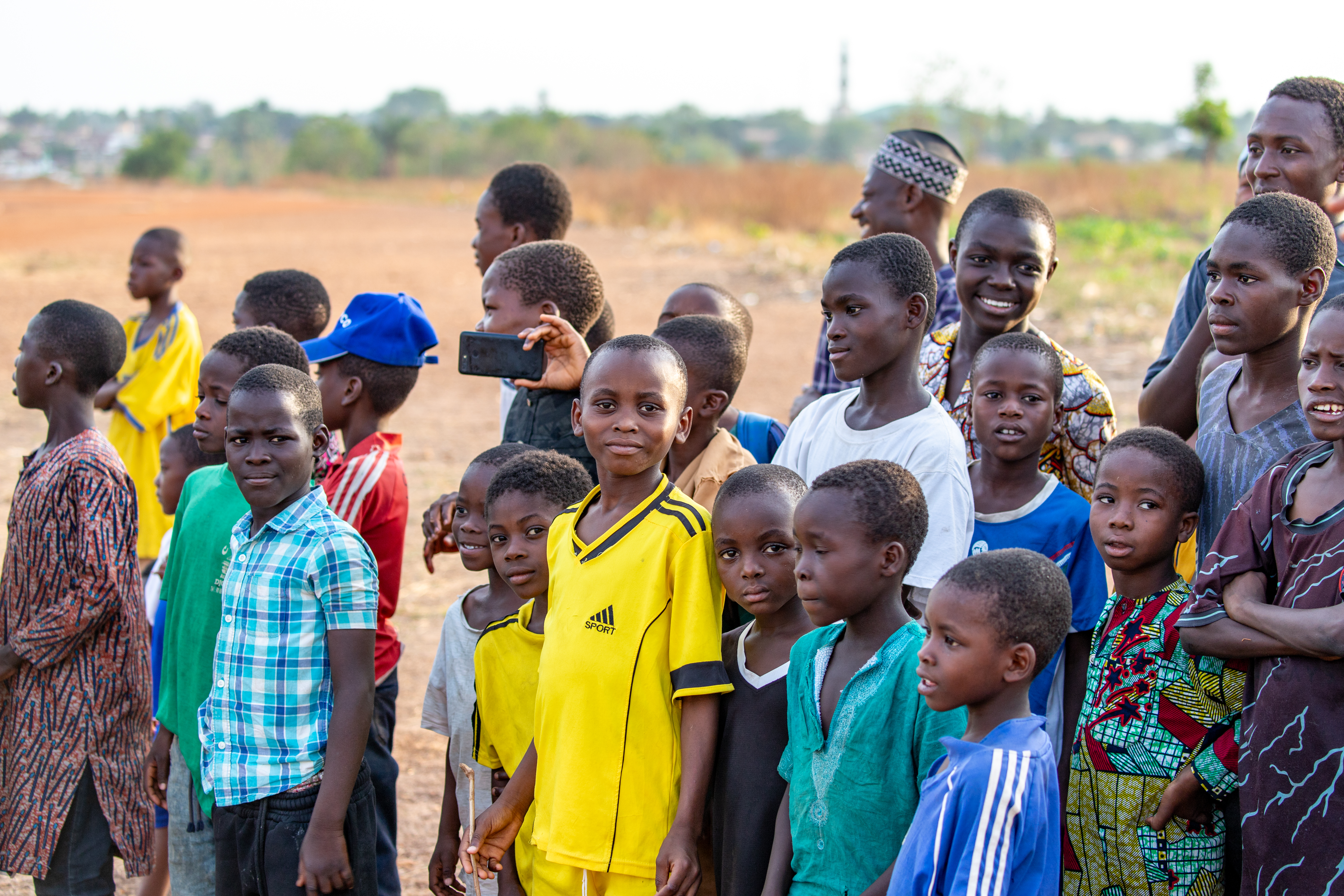
Nearby was another very short stop, this time with the Kabye men. Kabye blacksmiths use 15-20kg stones to flatten the metal, not a hammer. The metal is placed on top of a huge hunk of granite (the overwhelming majority of which is underground), and the metal is smashed between the heavy rock and the solid granite. We noted that they were cooking a chicken over the same fire that was heating the metal - good multitasking. Once again the little kids were fascinated by Justin’s camera, and he was able to get some great photos of them.
So we’d had a pretty busy and entertaining morning, with a wide variety of sights and sounds, and now it was time for lunch. On the drive back into Kara, Justin chatted with Jane and Stephenie about metal prints and classic rock musicians, among other topics. We grabbed lunch in town at Hôtel La Douceur. When they brought out the fish for the people that ordered it, there were a couple giant tilapia. But Sena tasted his and thought it was bad, so he told everyone to stop theirs, and then asked/required them to drink some lime juice. Crystal had ordered chicken, and Justin had ordered pasta, so we weren’t impacted. We wondered if Sena was perhaps a little on edge after the food poisoning the day before.
 |
 |
At lunch Sena got the news that we got our Ghanaian visa. Unlike the Togo and Benin visas, we couldn’t apply for the Ghana visase online. Instead, we would’ve needed to send our passports in, and this would have been problematic for multiple reasons. First, Crystal was using hers in January and February, so there wasn’t a big window of time to send the passports in. Second, we didn’t trust that we’d get the passports back in a timely manner, as pretty much everything seems to get stuck in Madrid. We asked Wilderness what other options were available, and they told us we qualified to get something akin to a visa-on-arrival, since we lived in an area where there was no local office to obtain a visa, and that they would handle everything (for a fee, obviously). Thankfully everything worked out, as we would’ve hated to miss Ghana.
 |
 |
 |
 |
 |
 |
 |
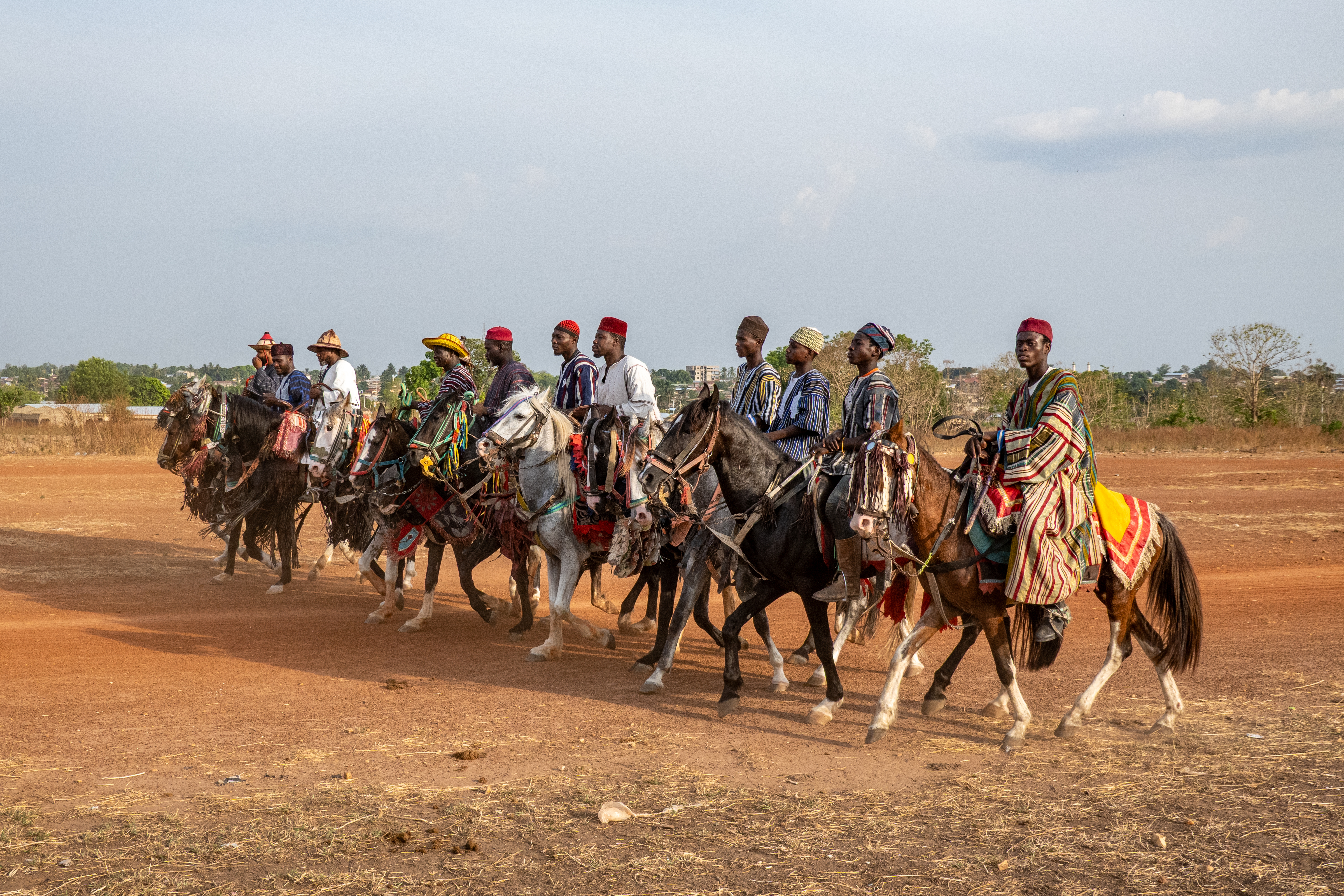 |
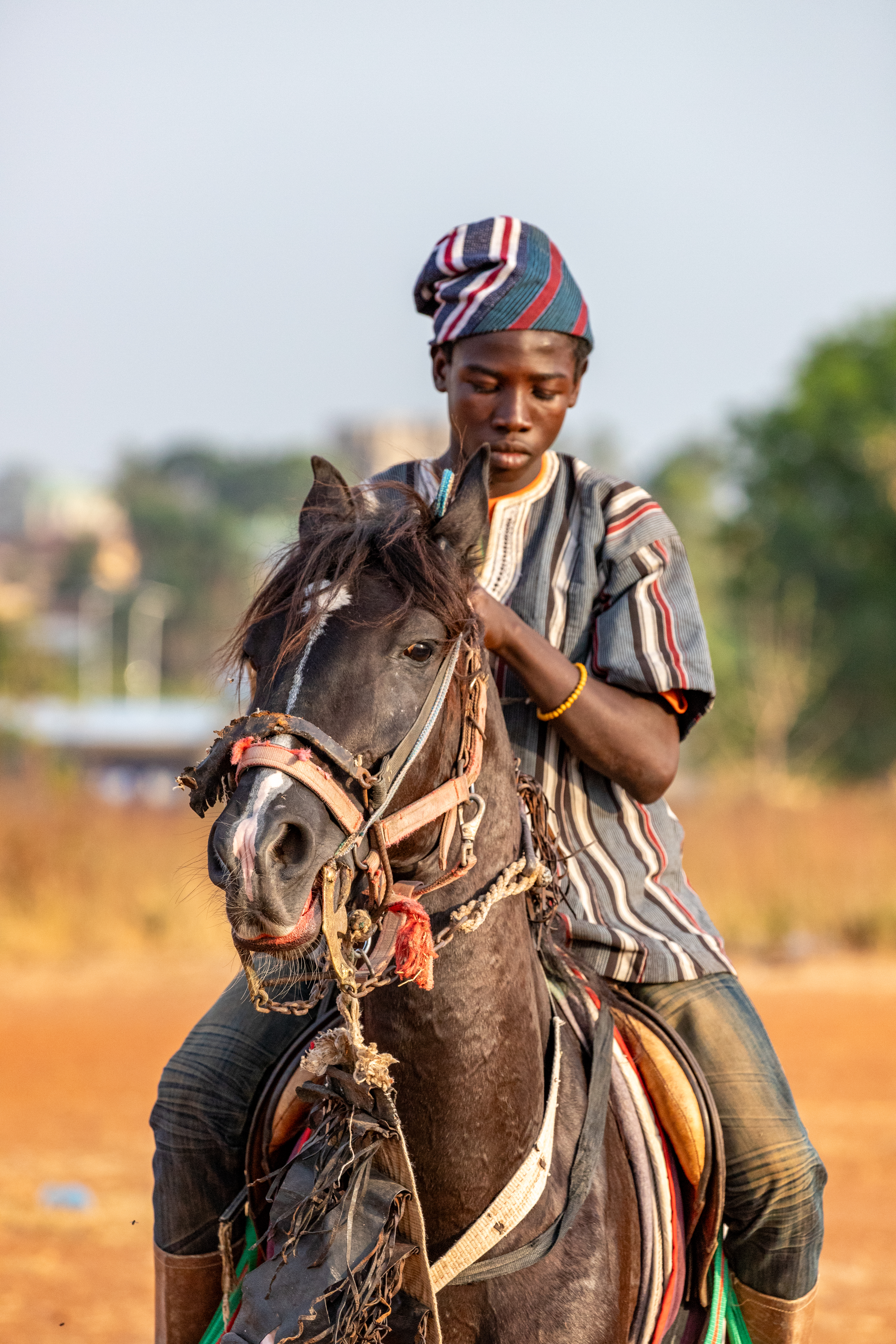
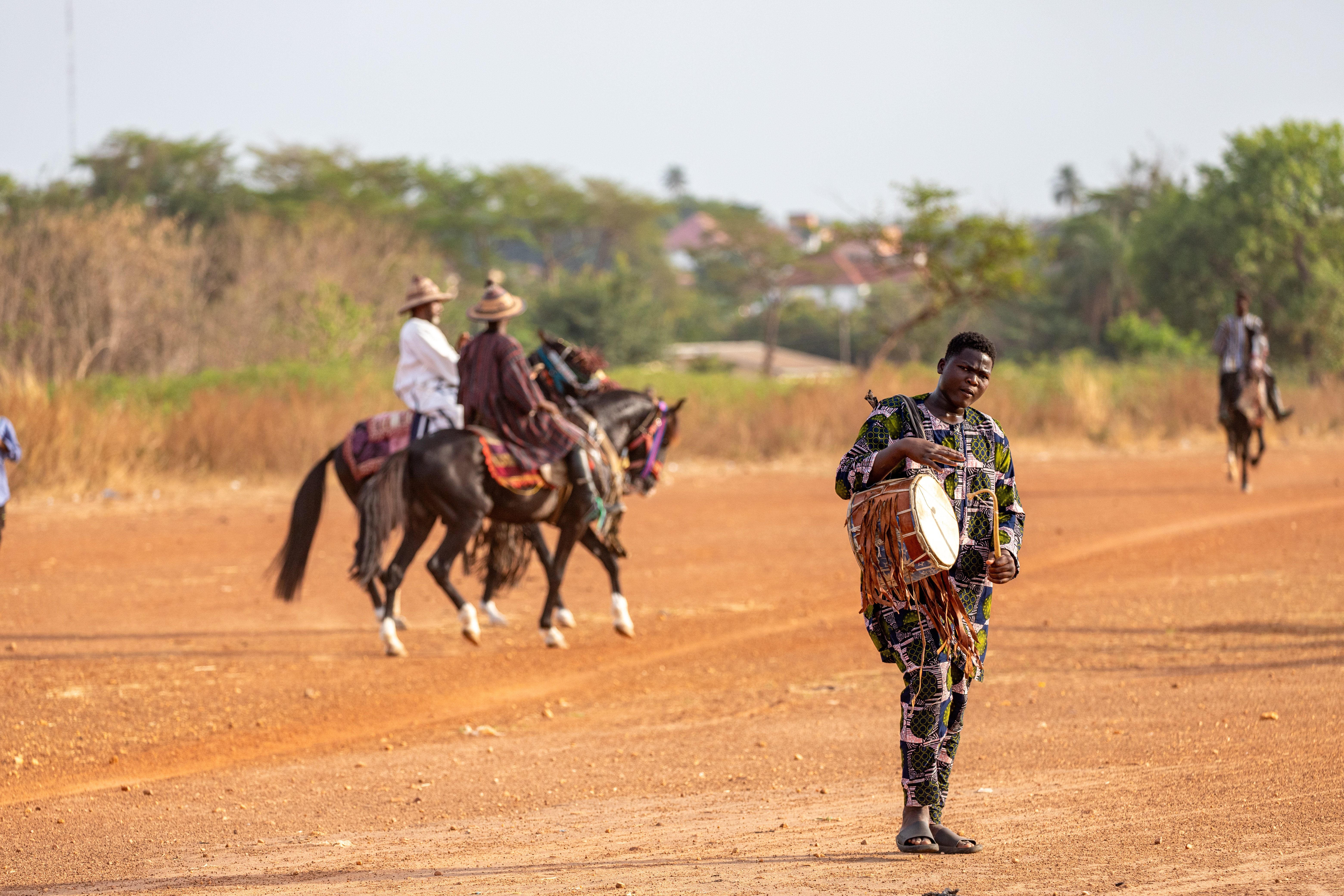
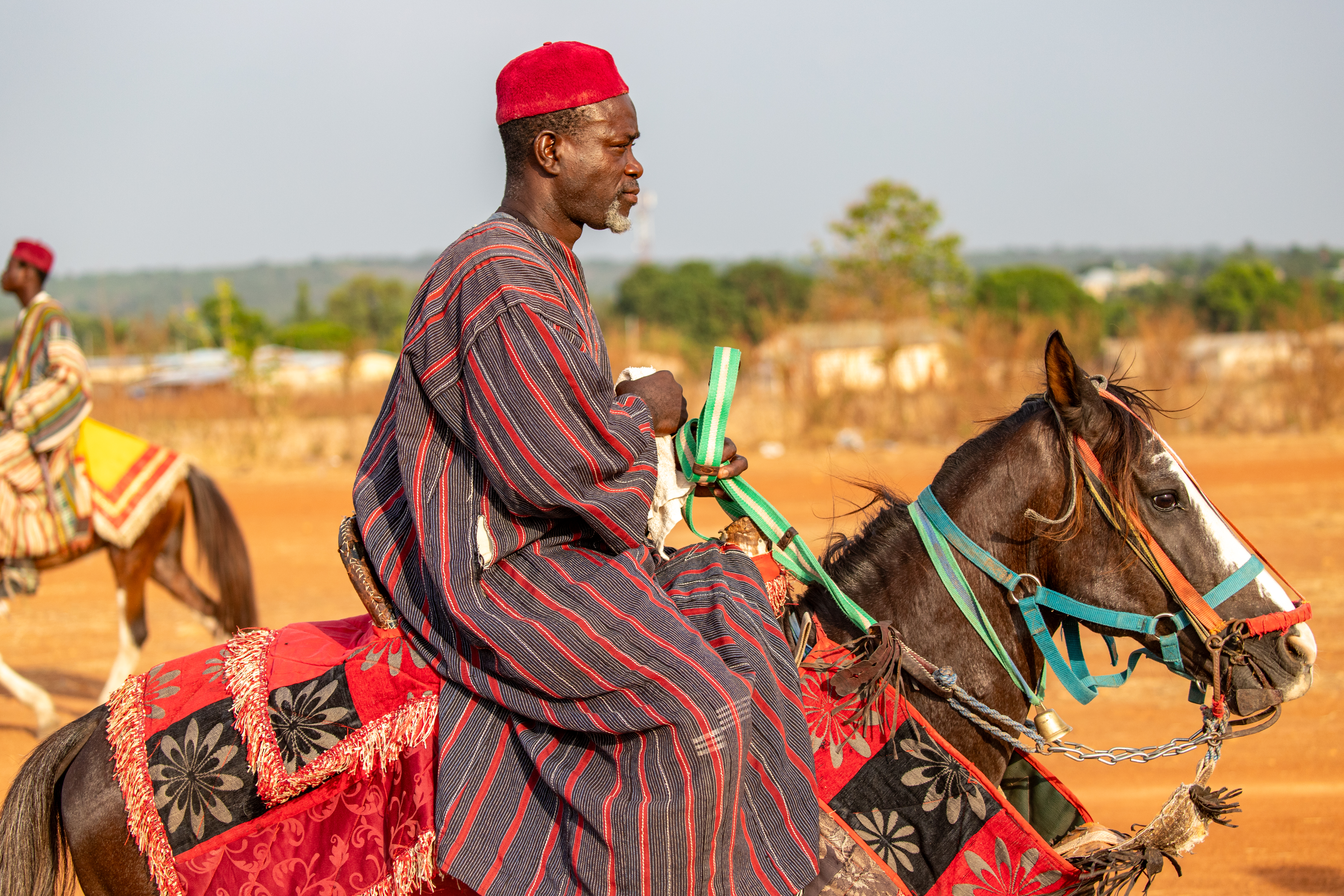
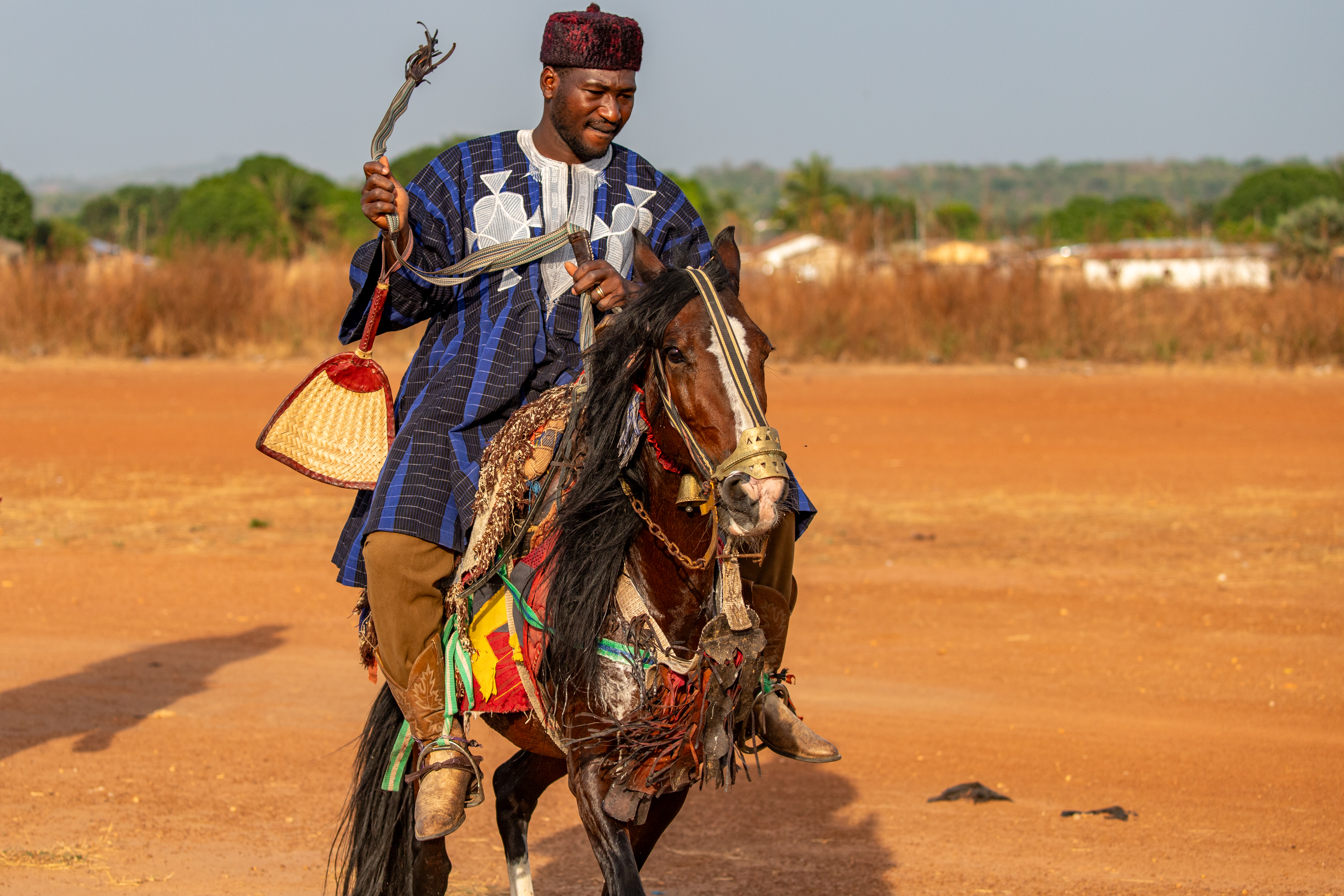
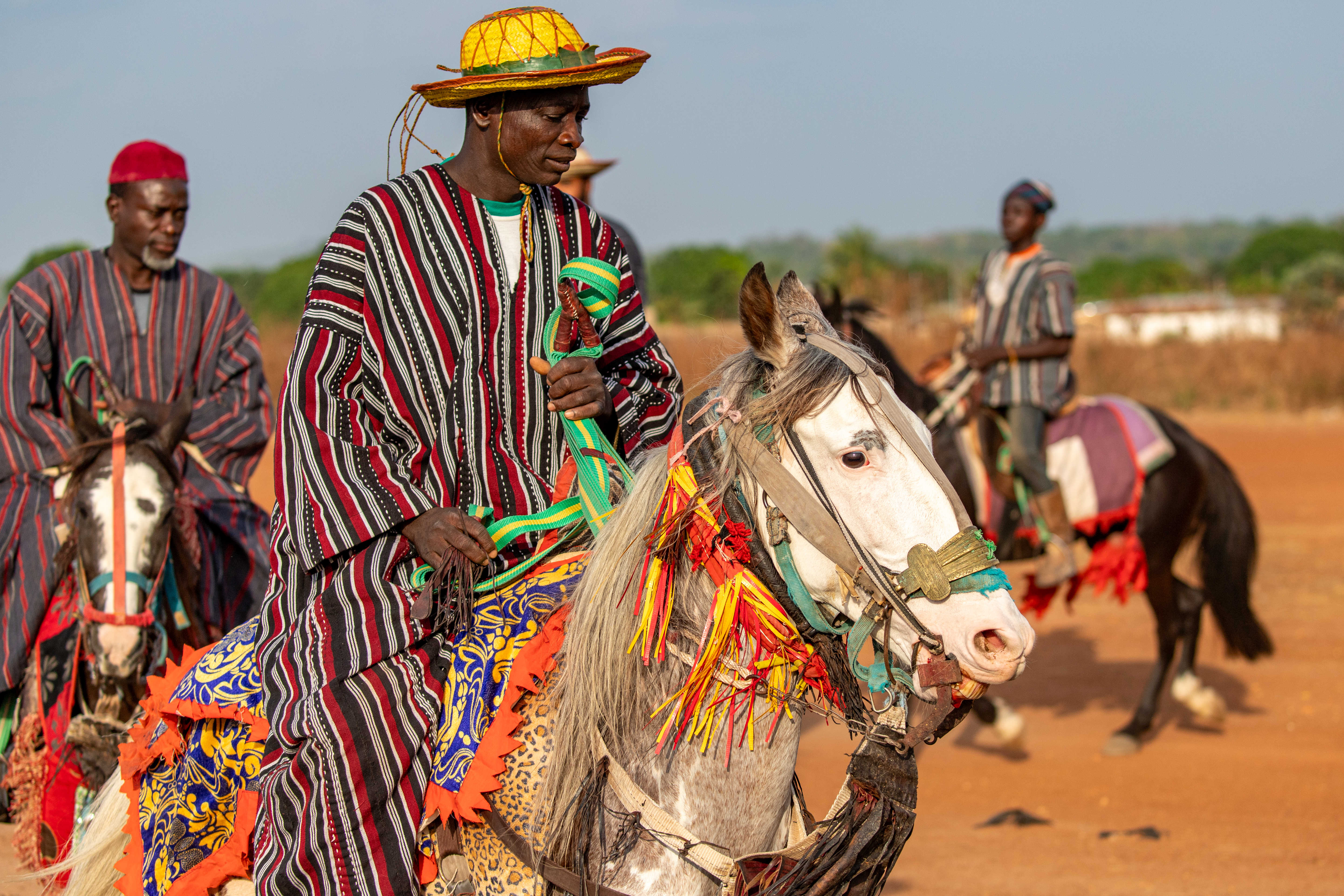
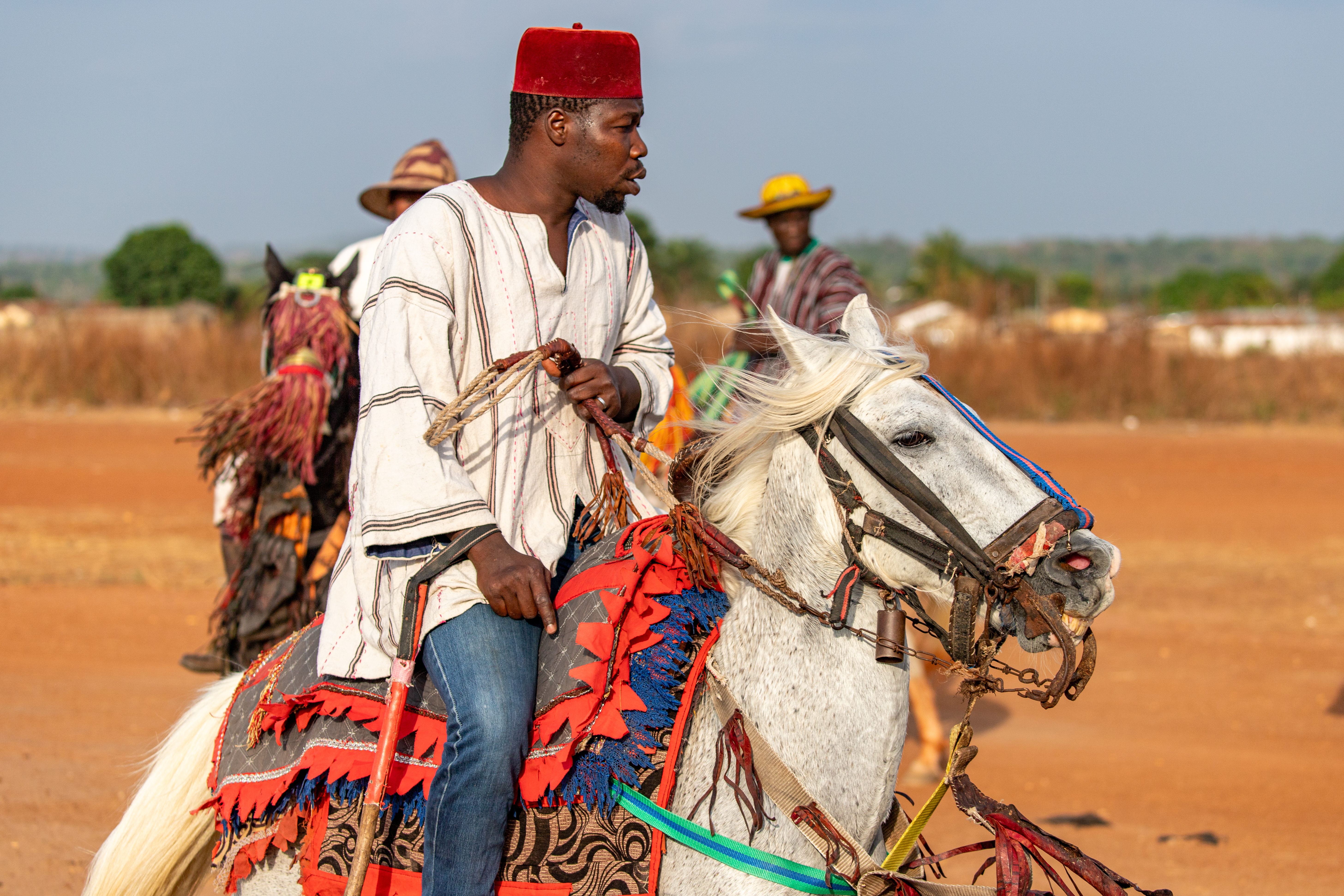
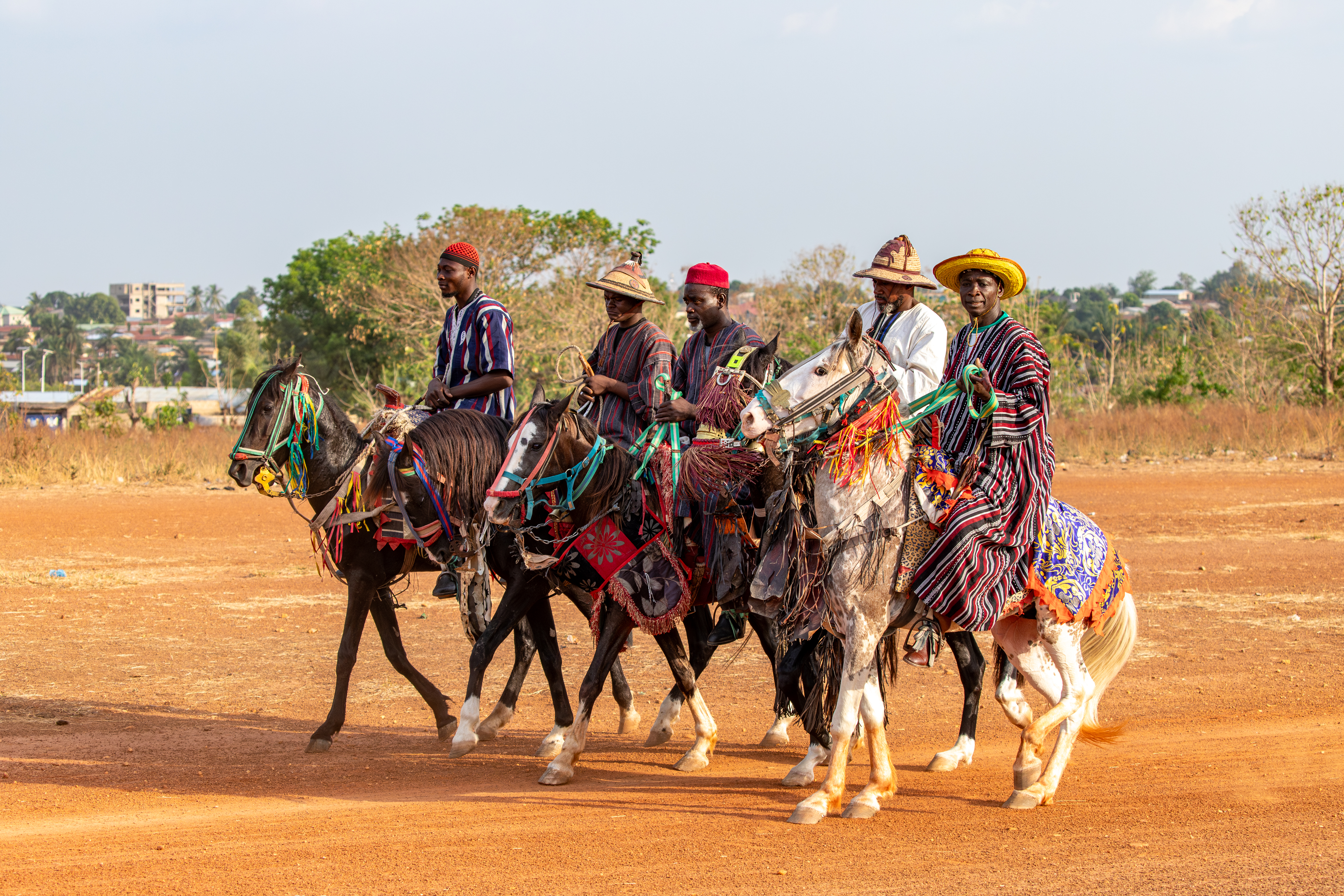
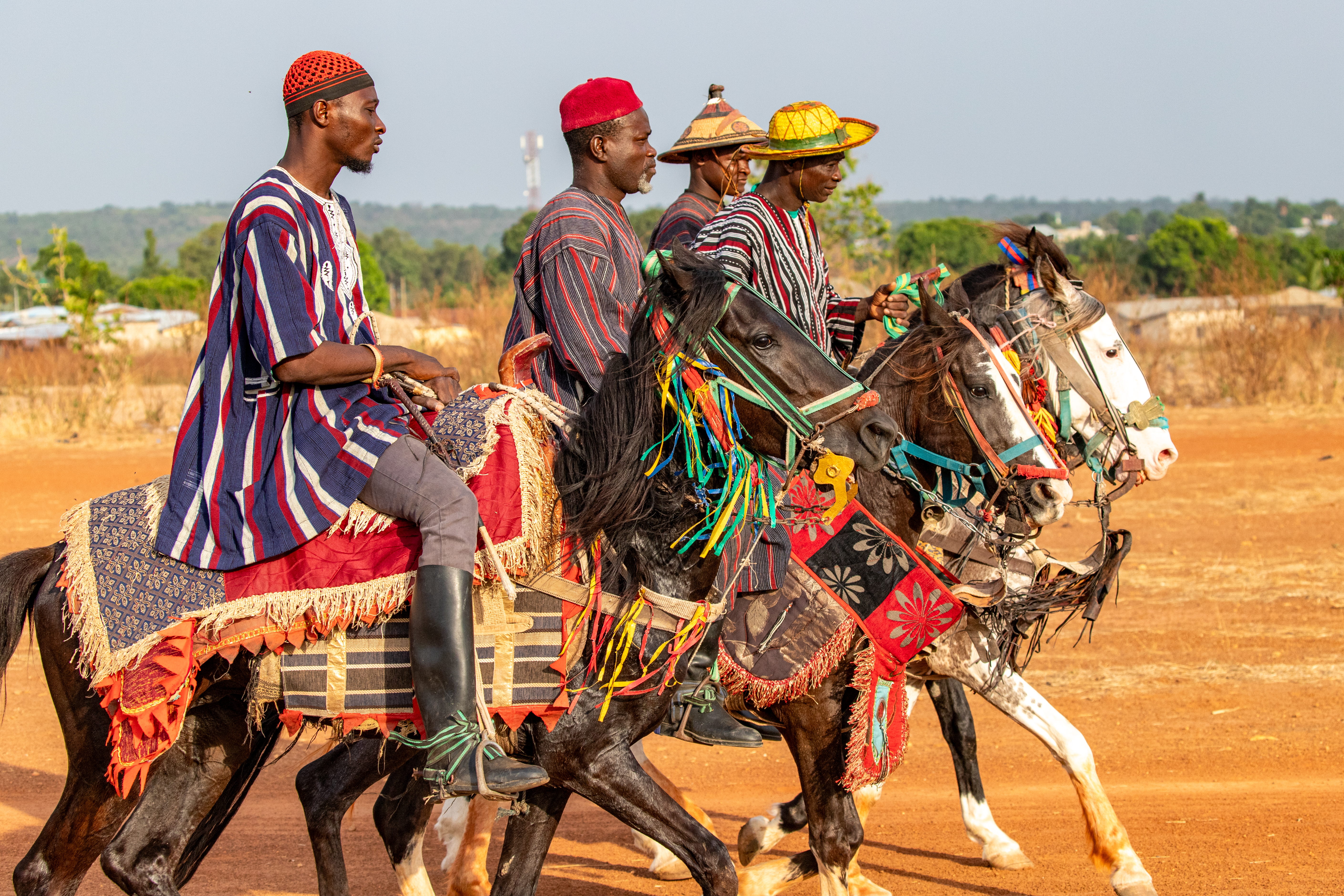
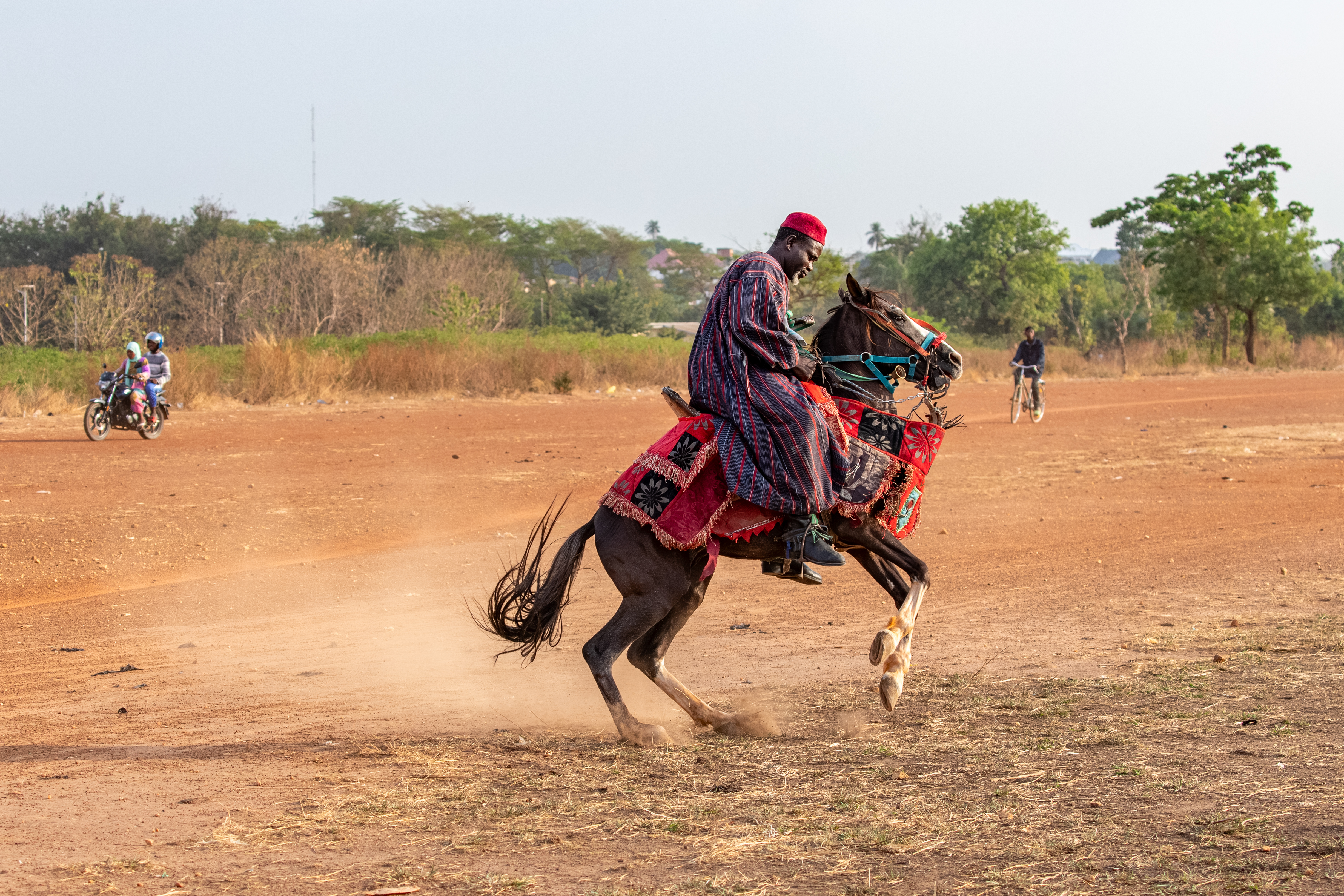
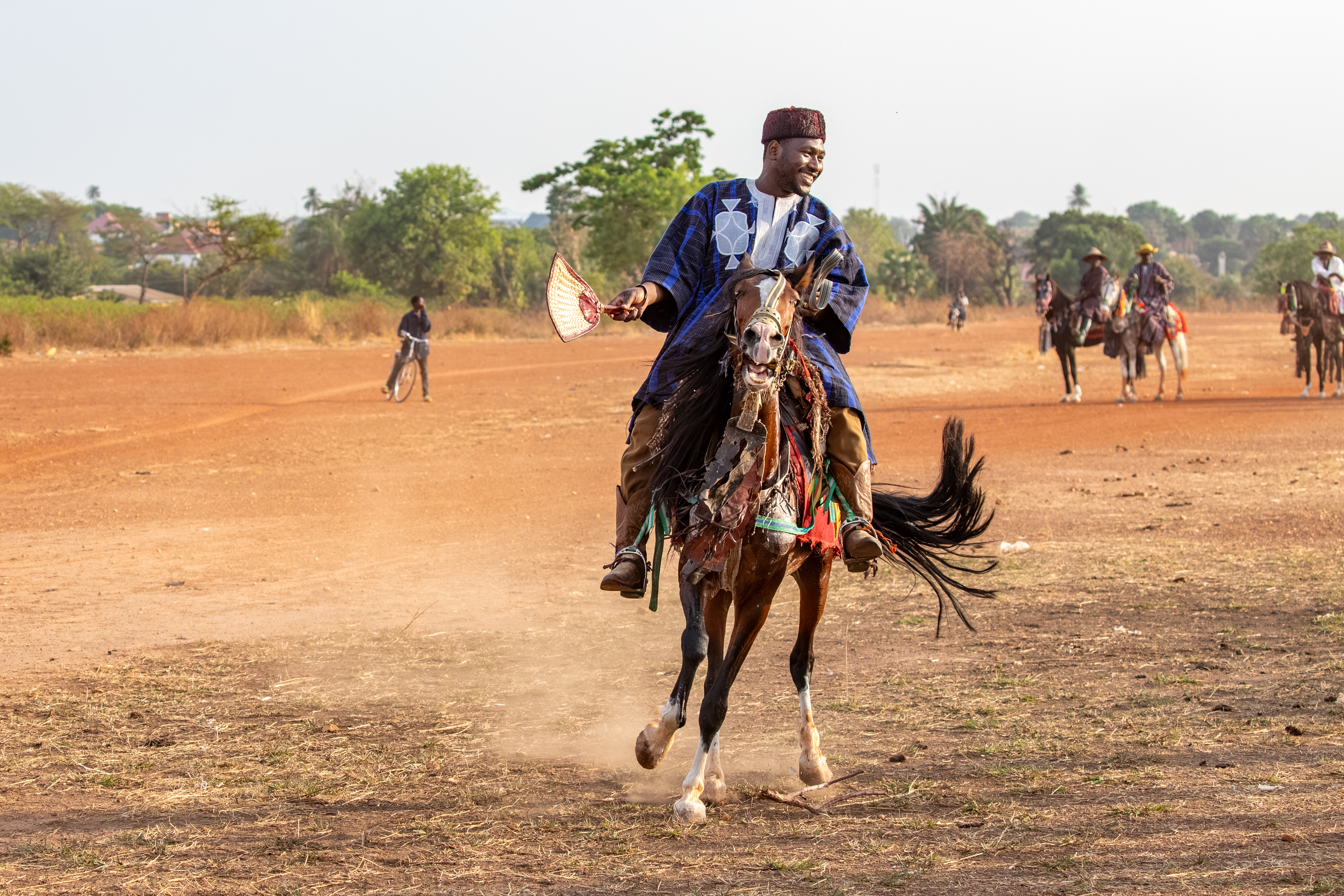
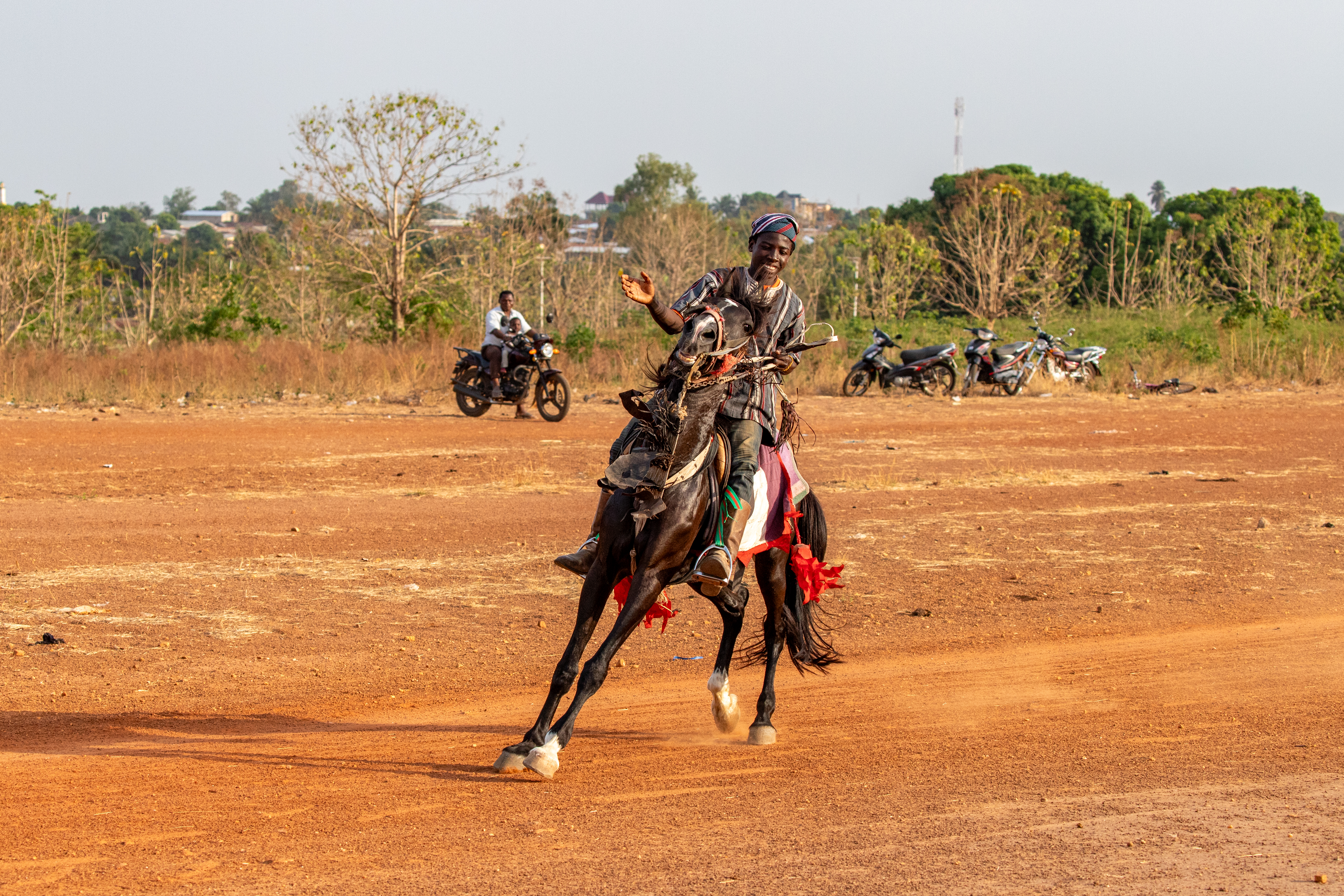
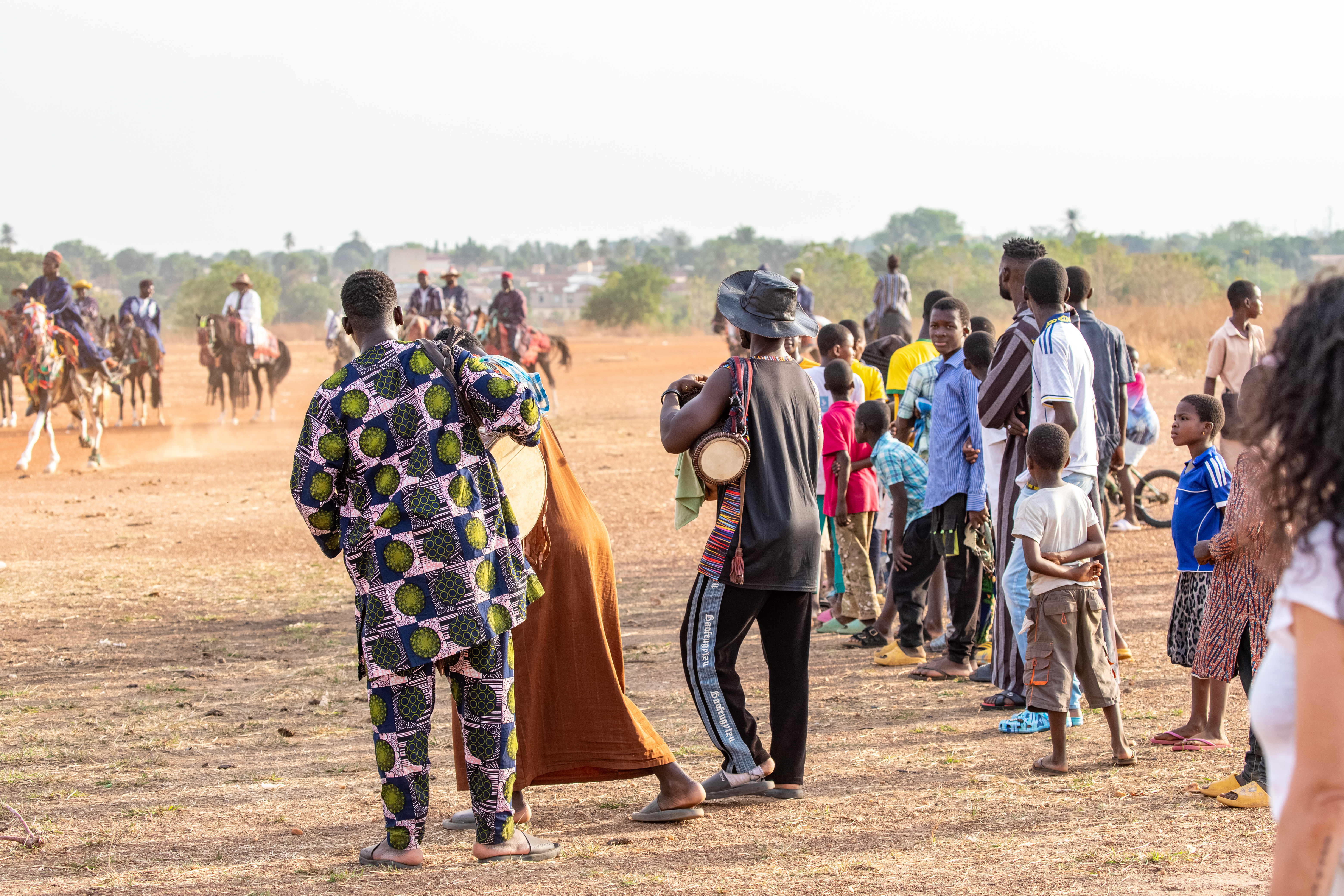
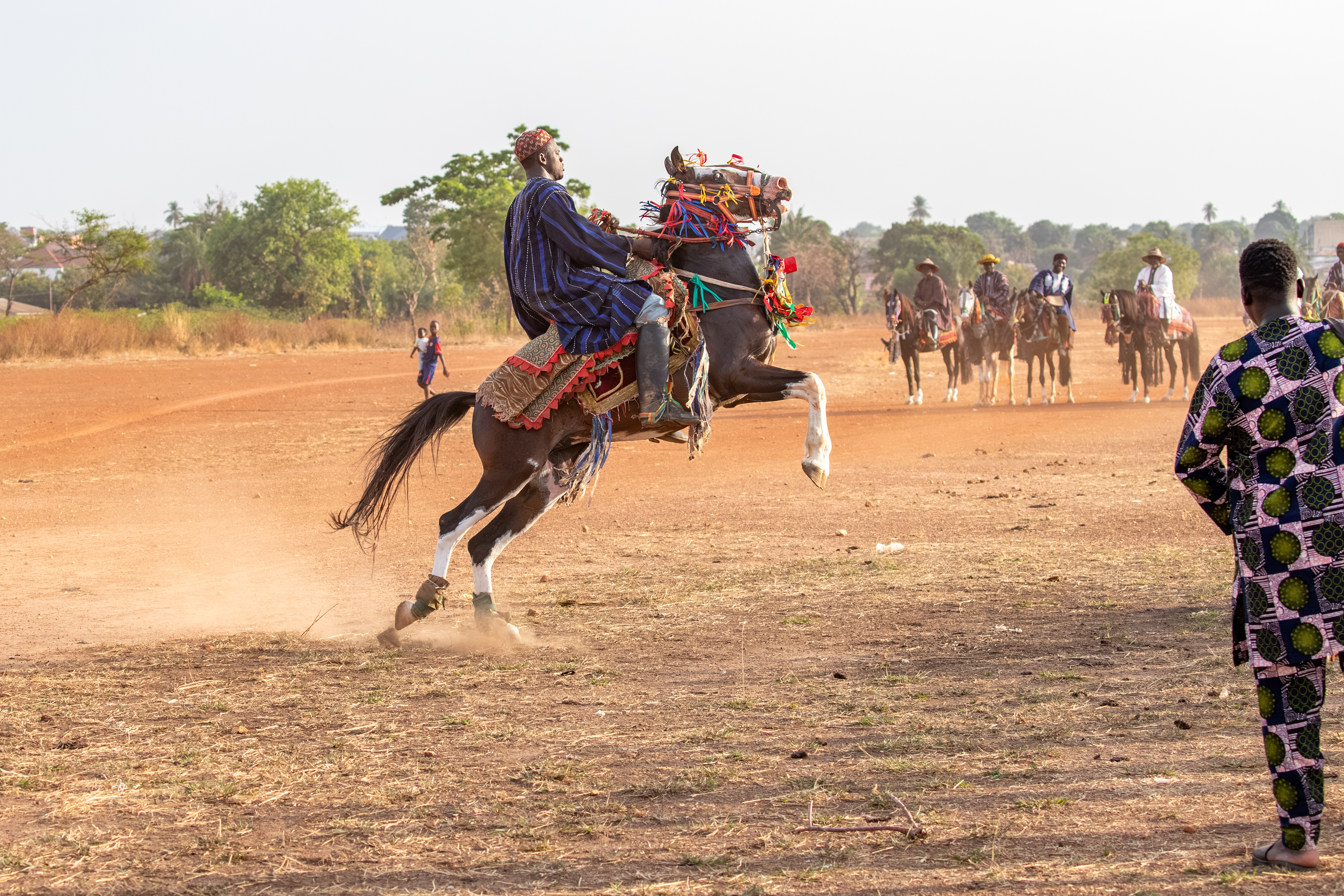
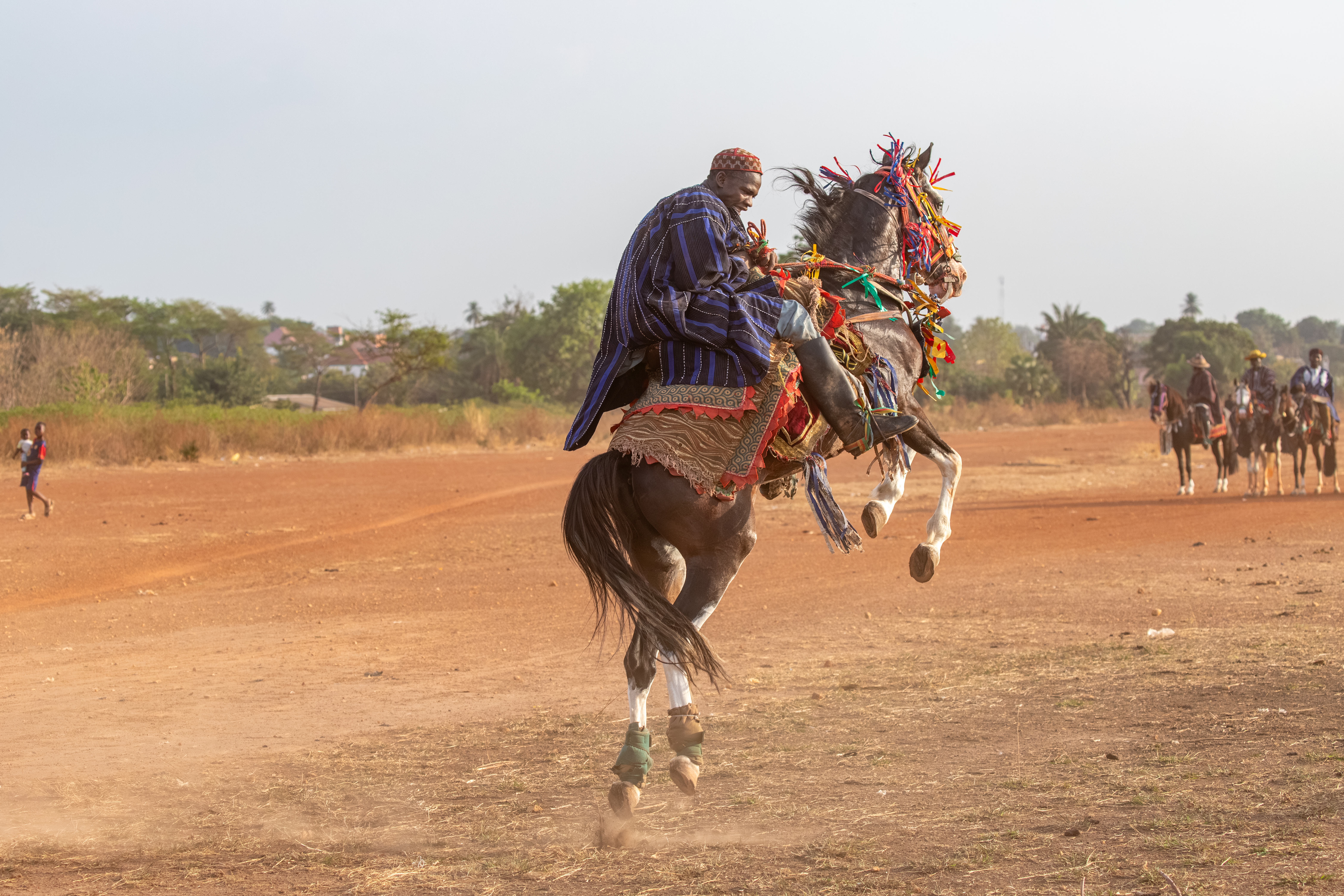
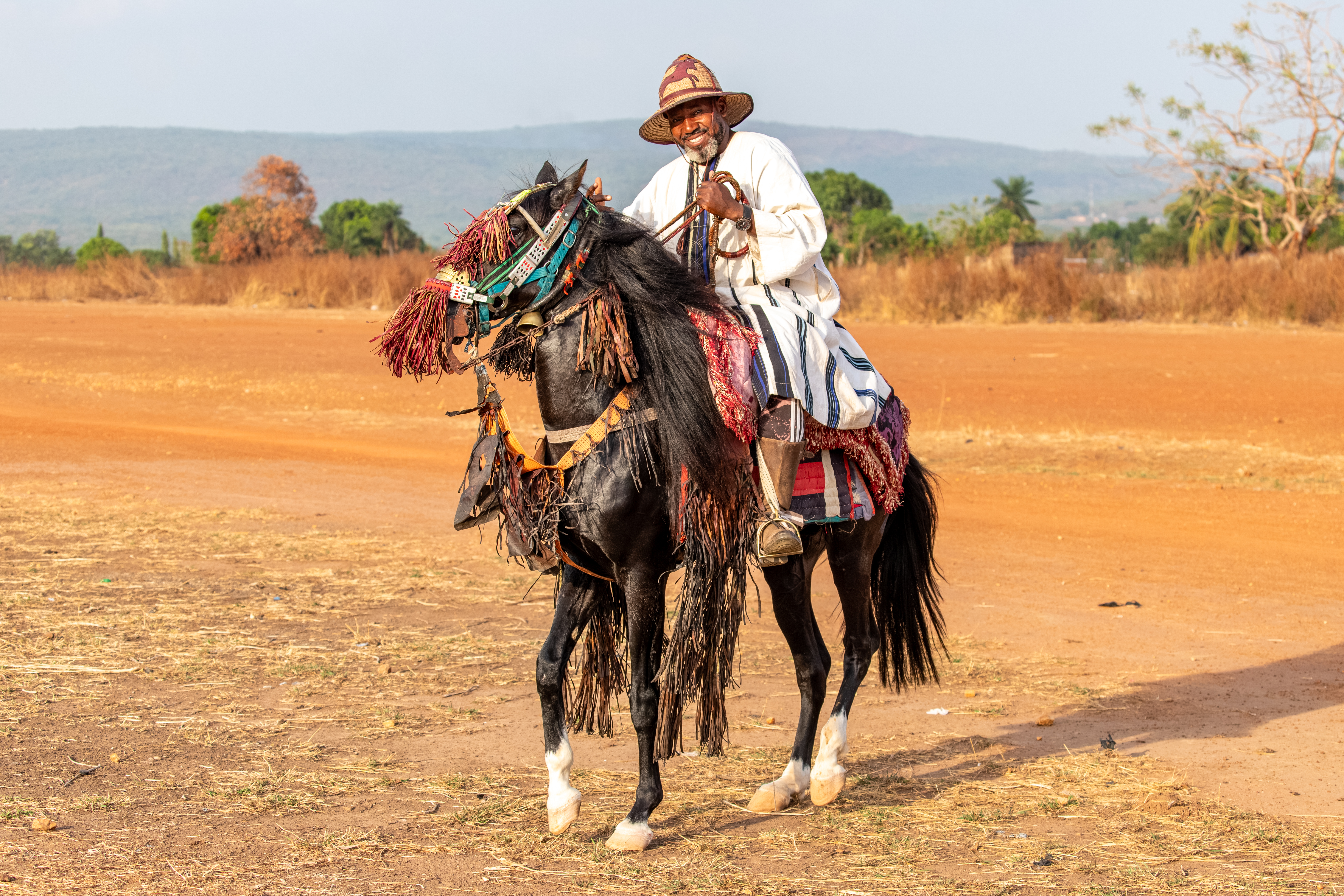
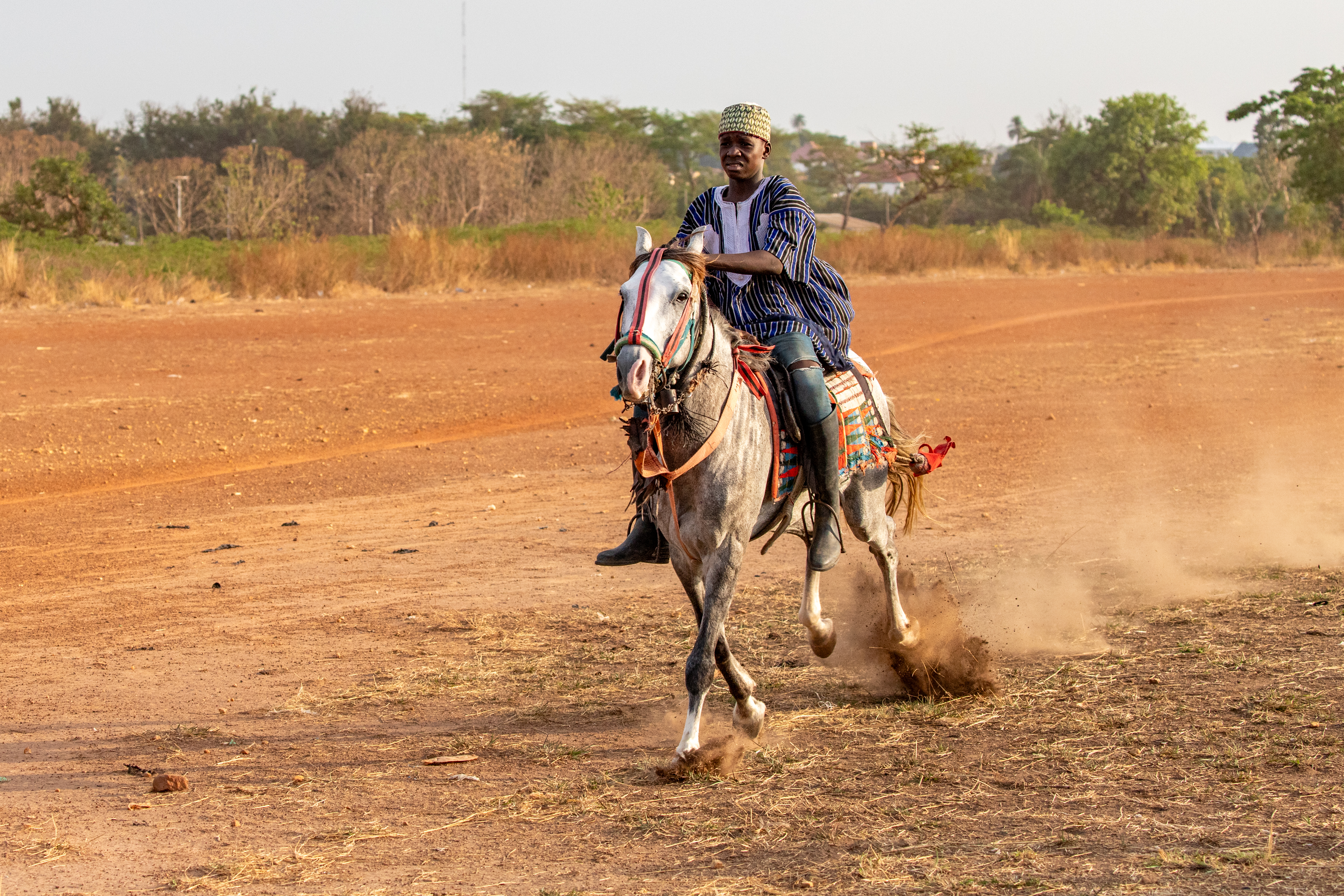
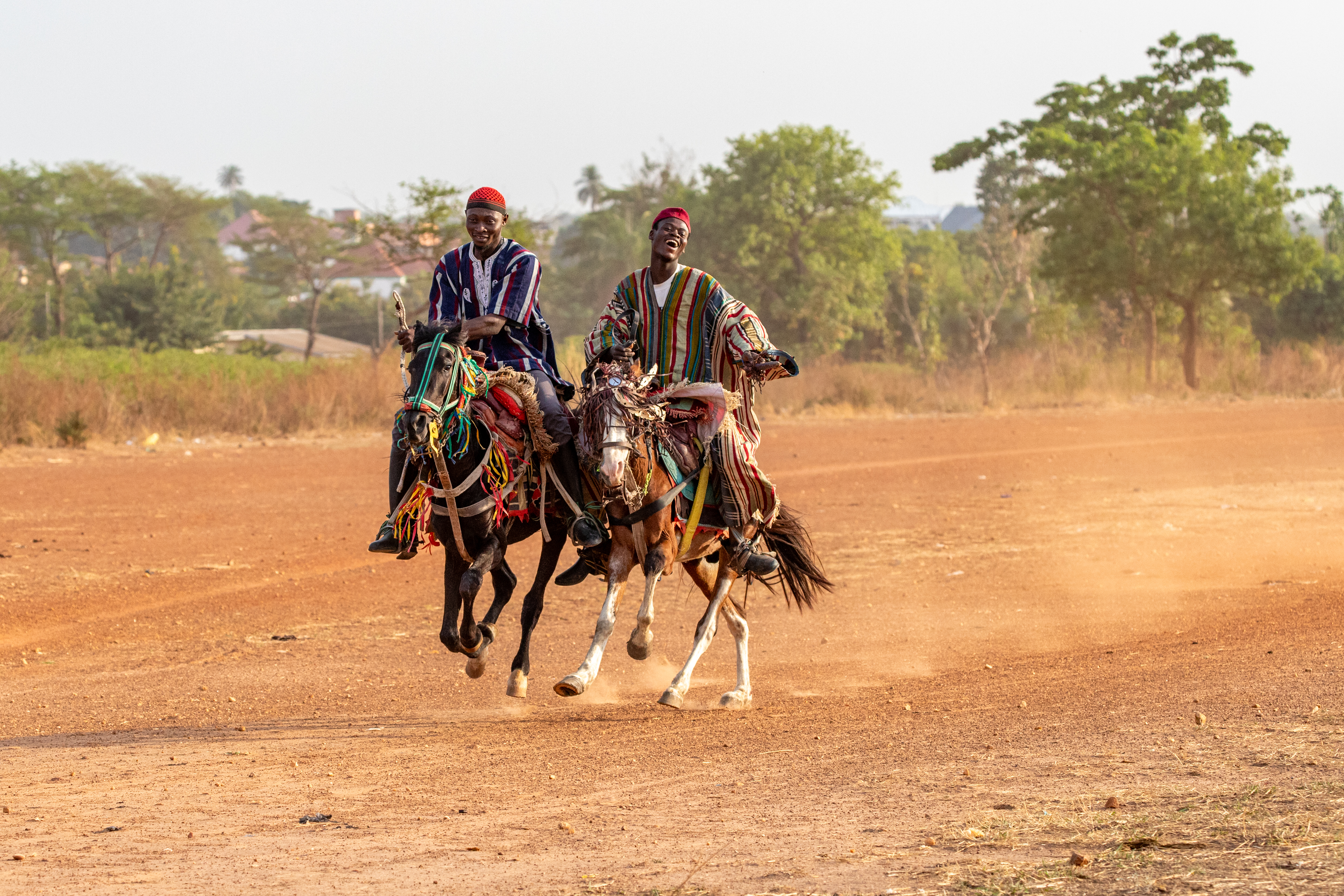
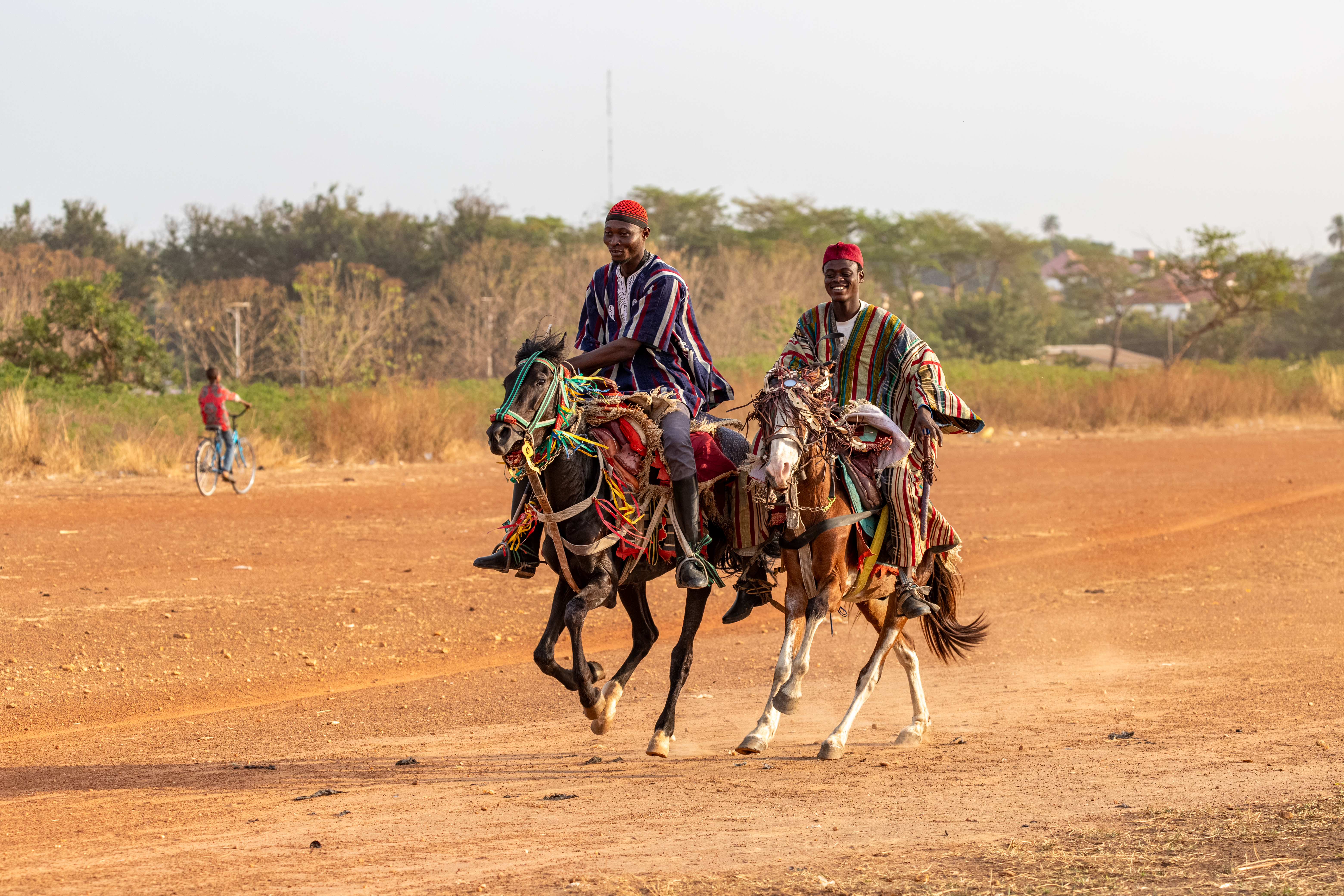
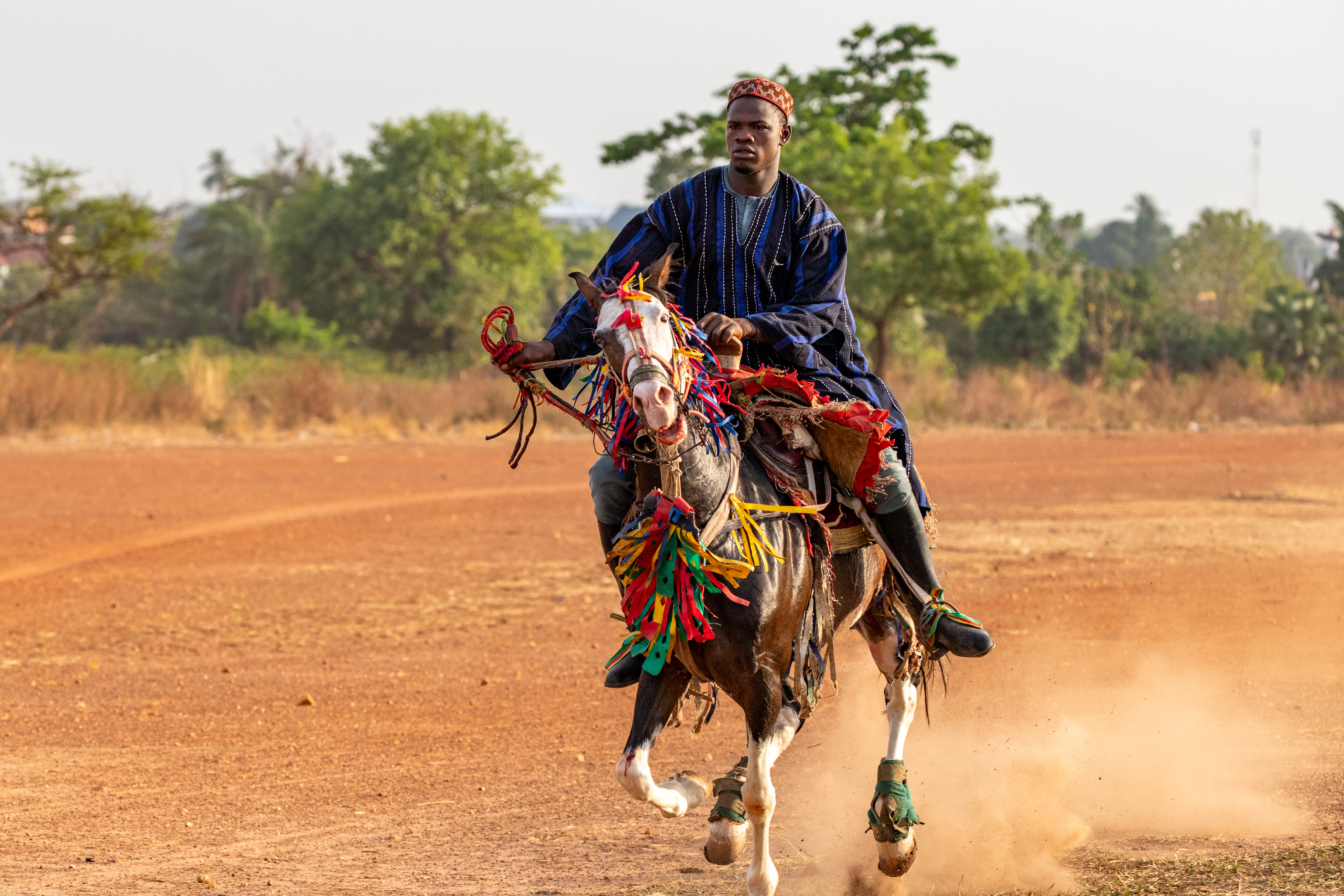
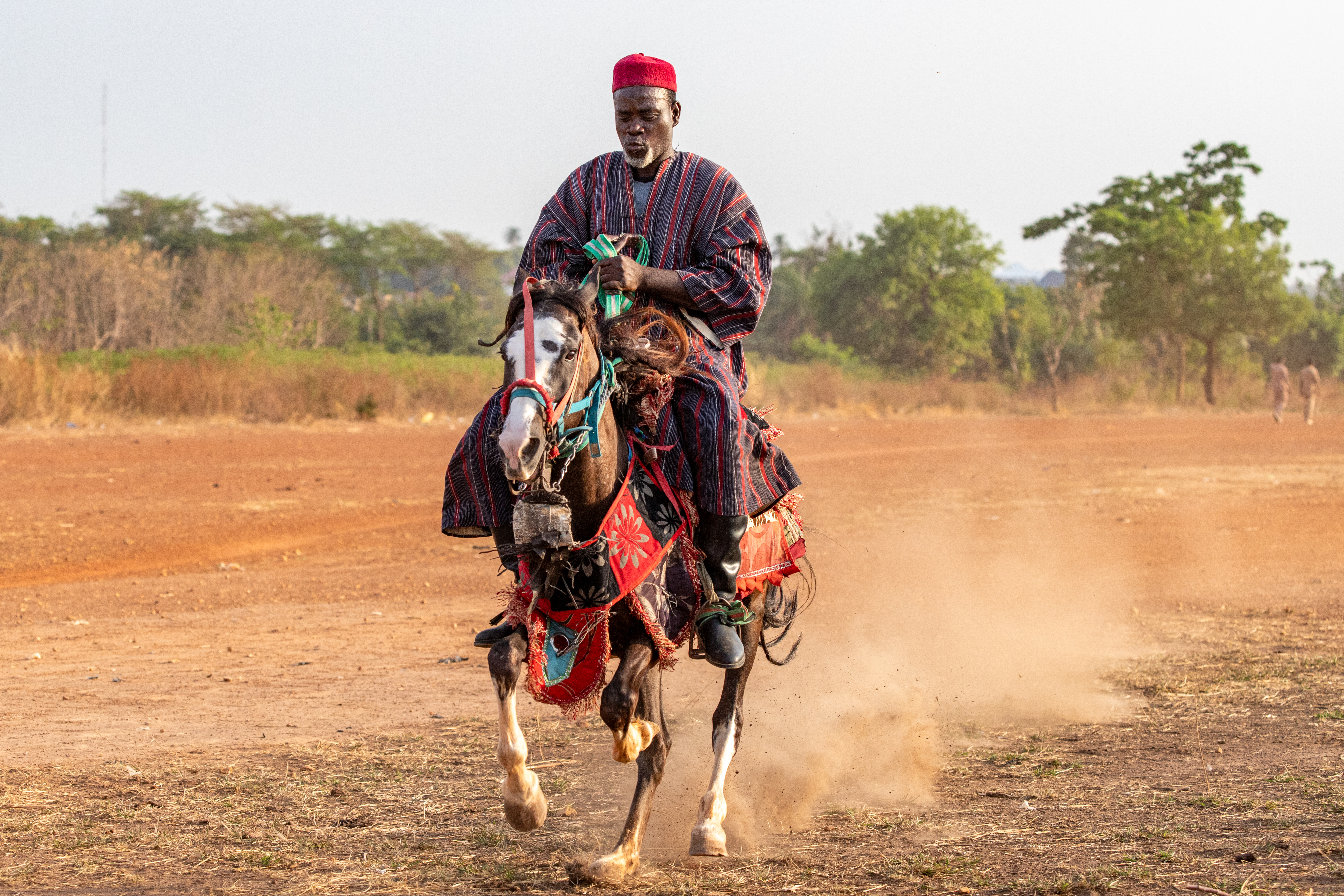
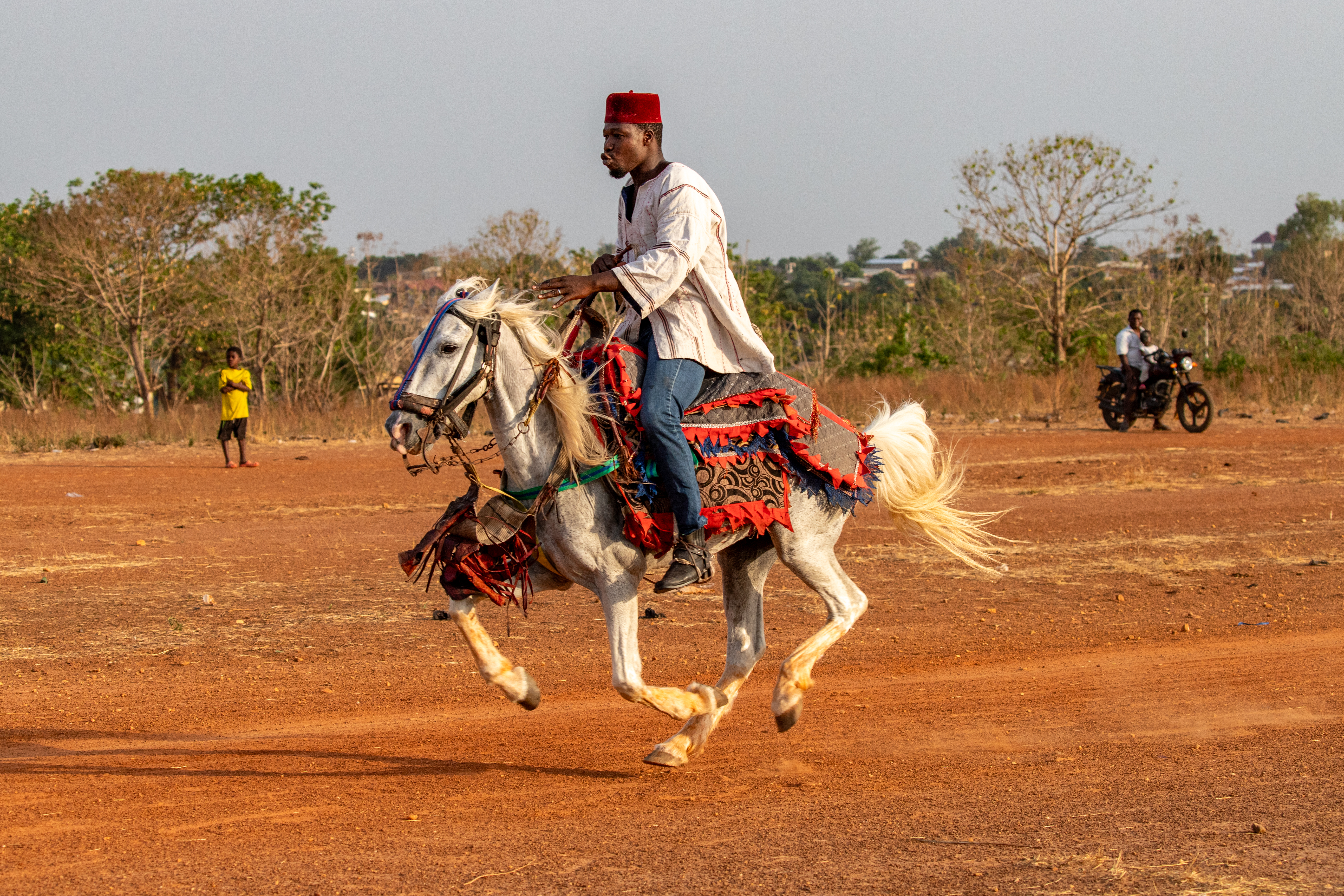
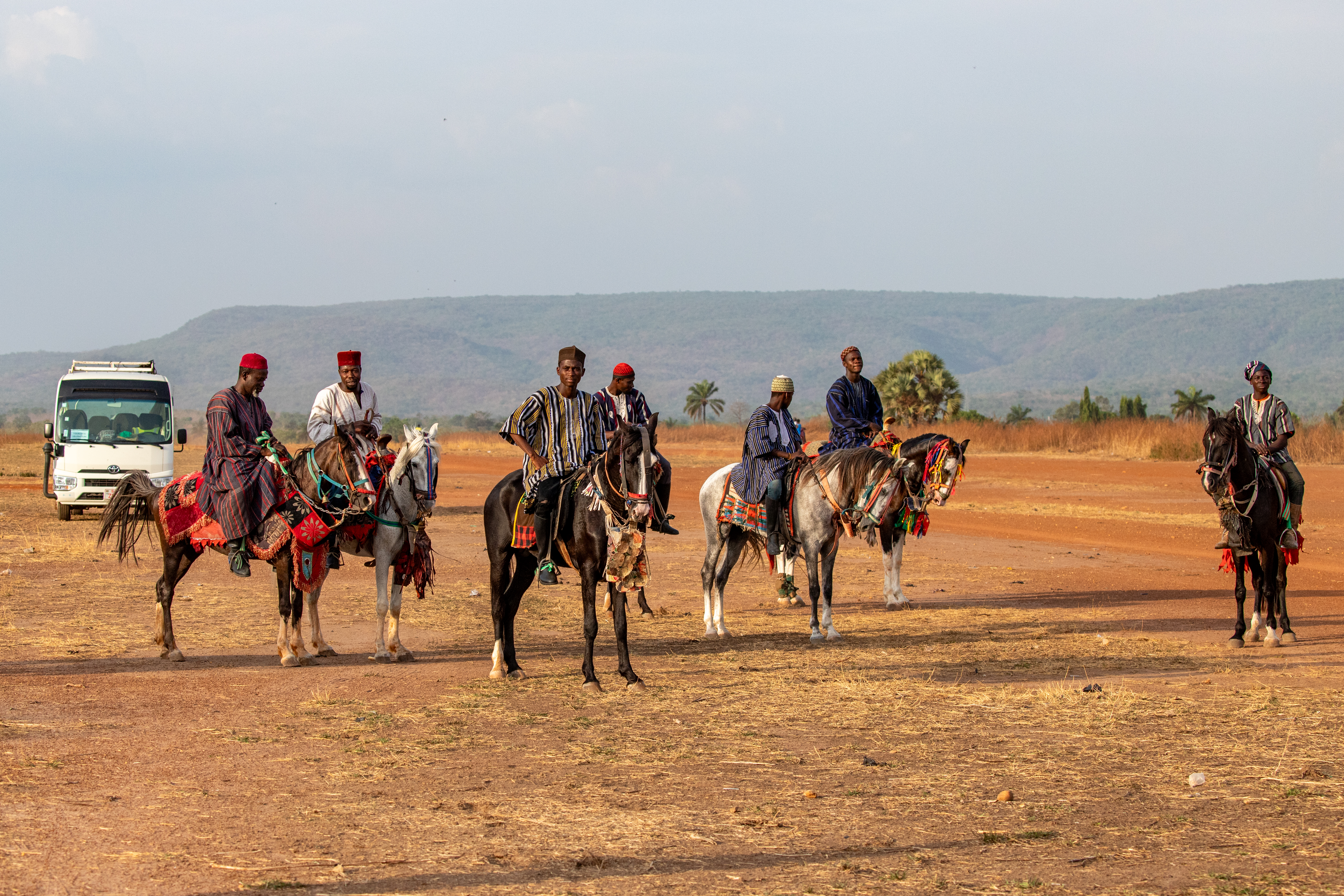
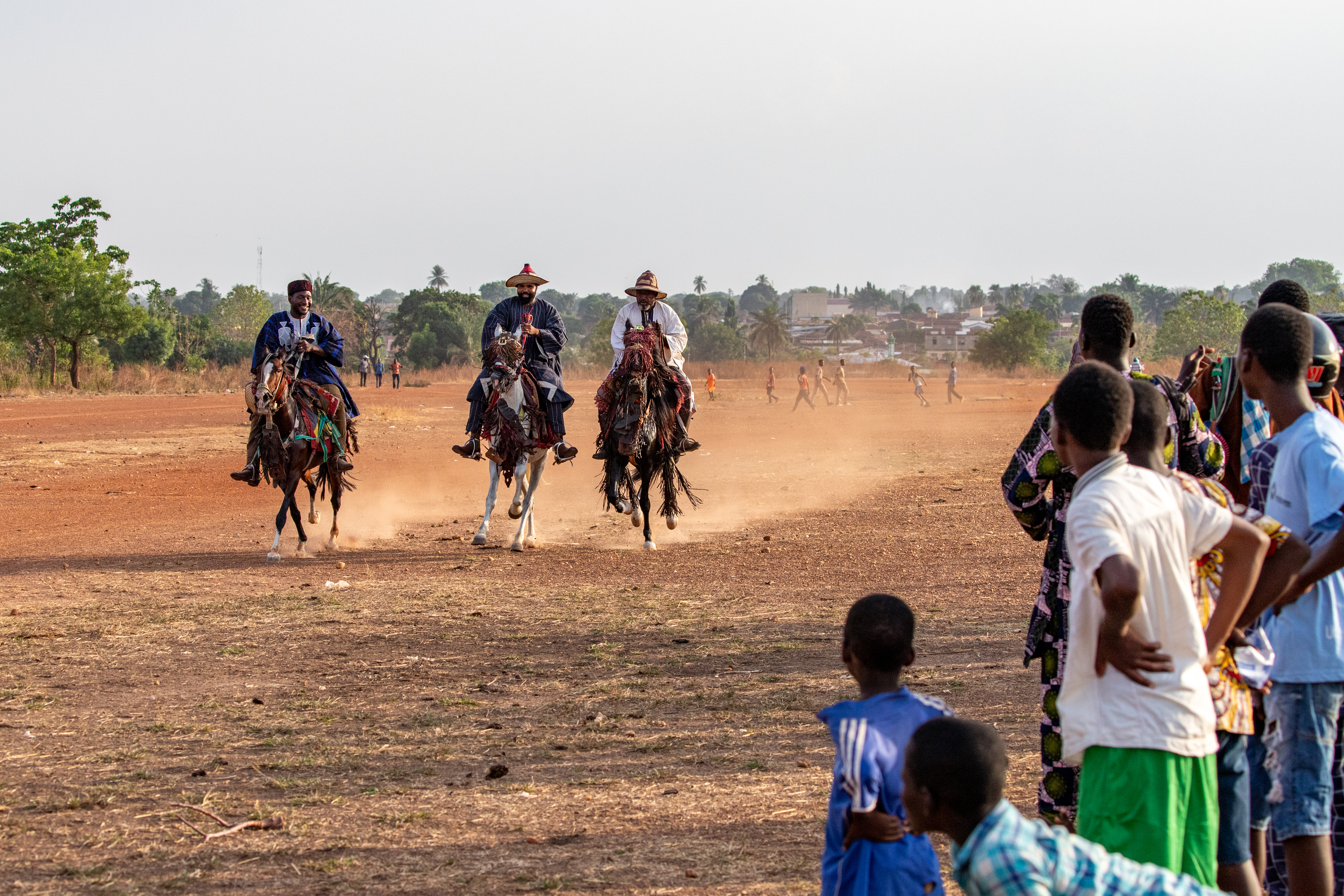
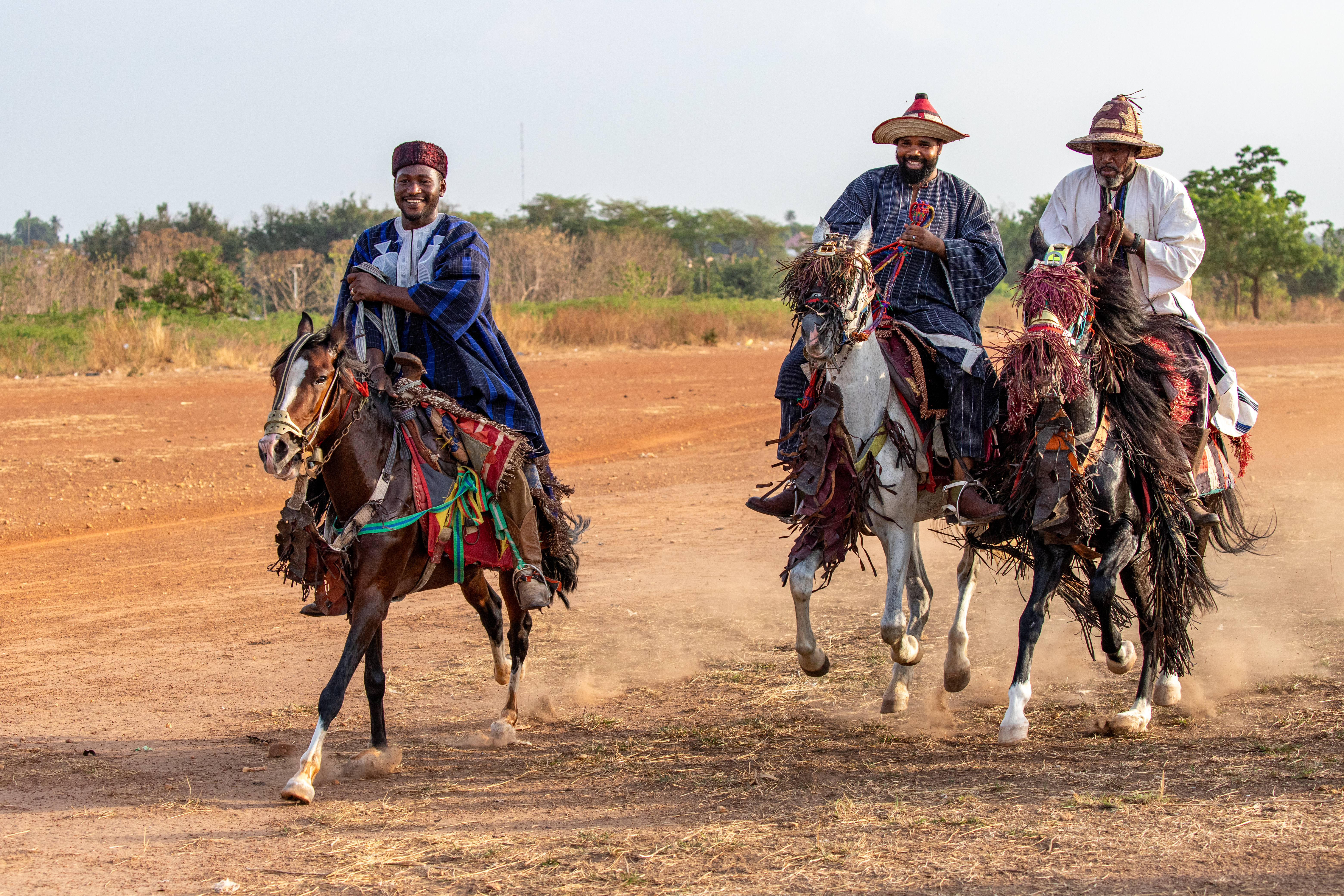
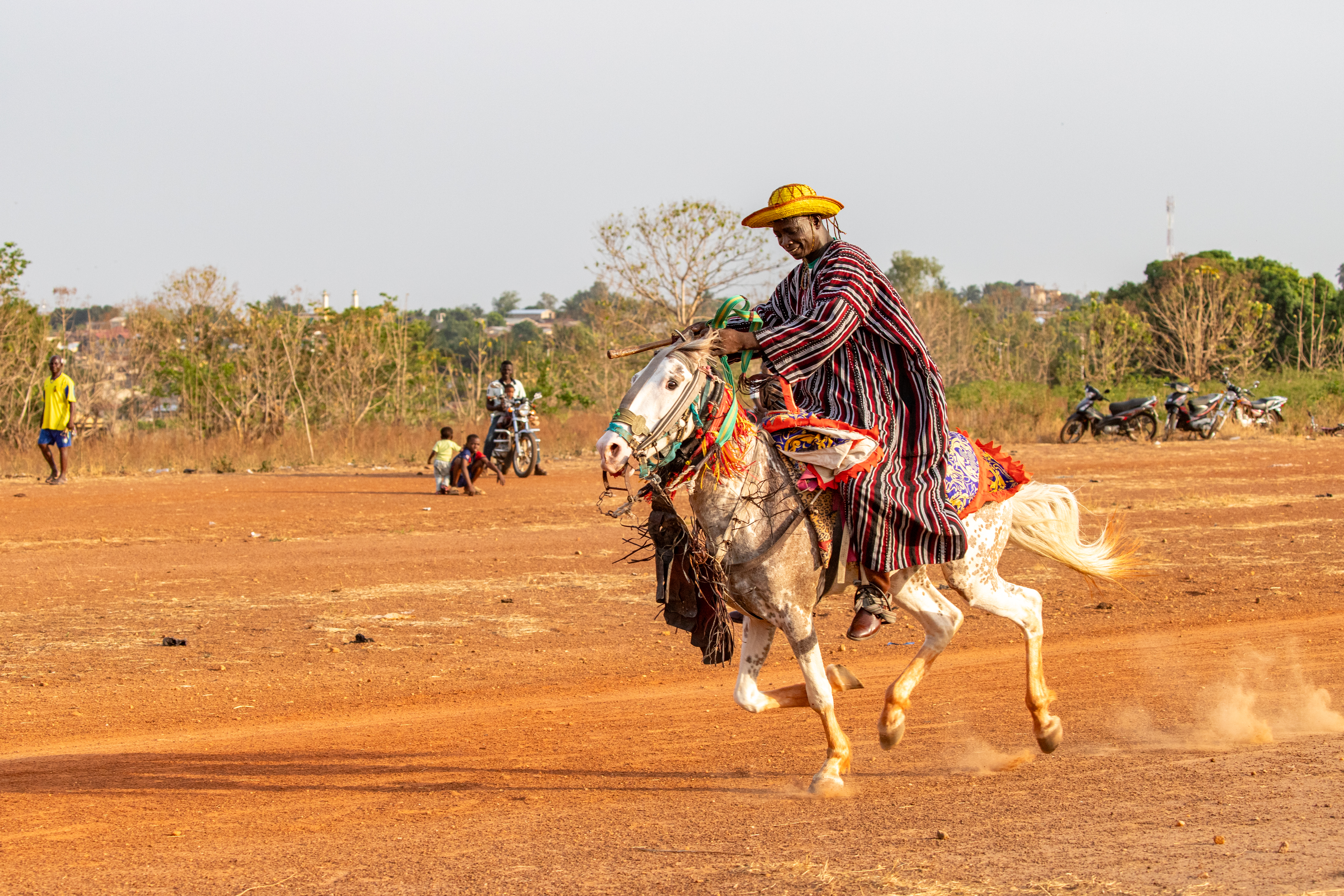
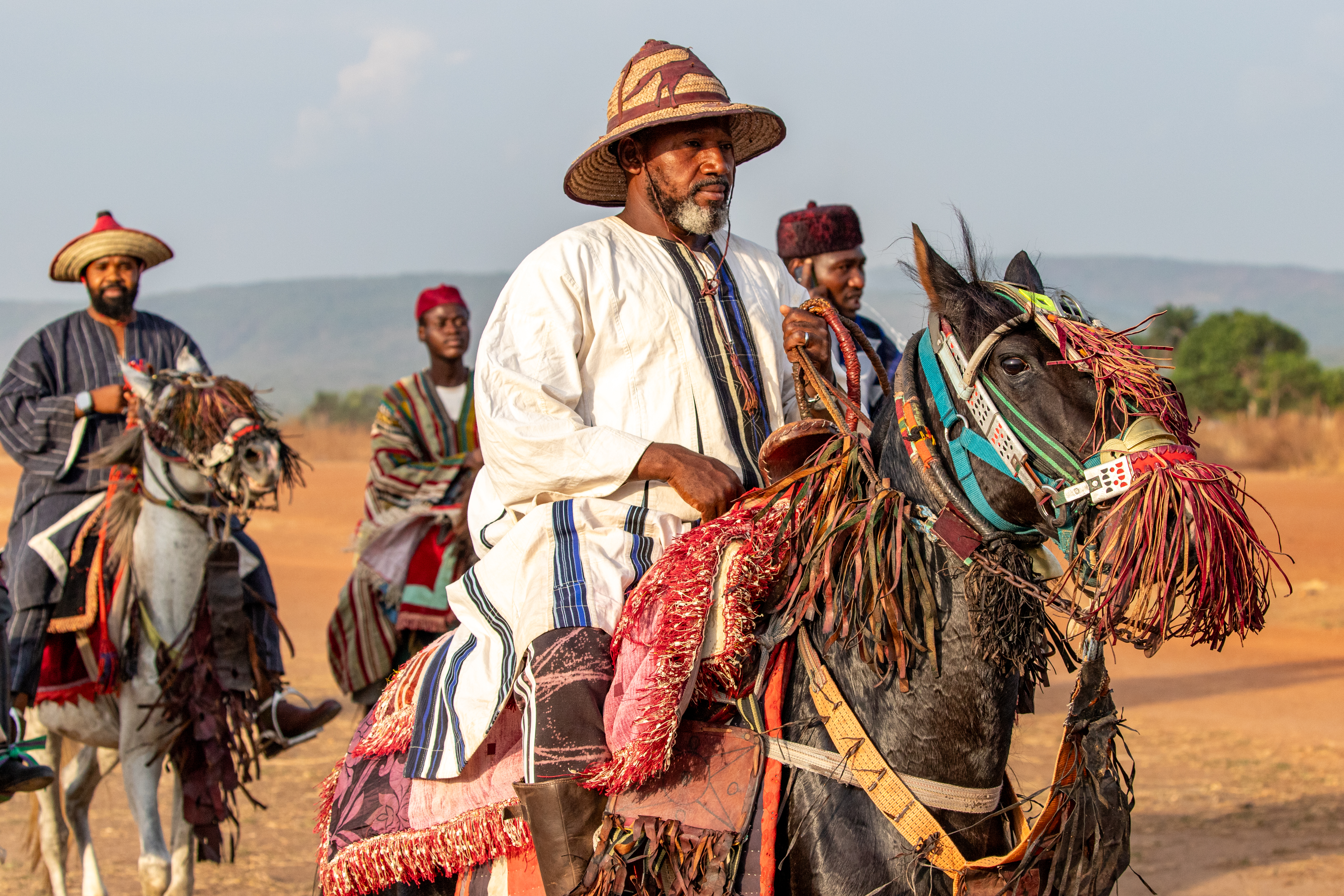
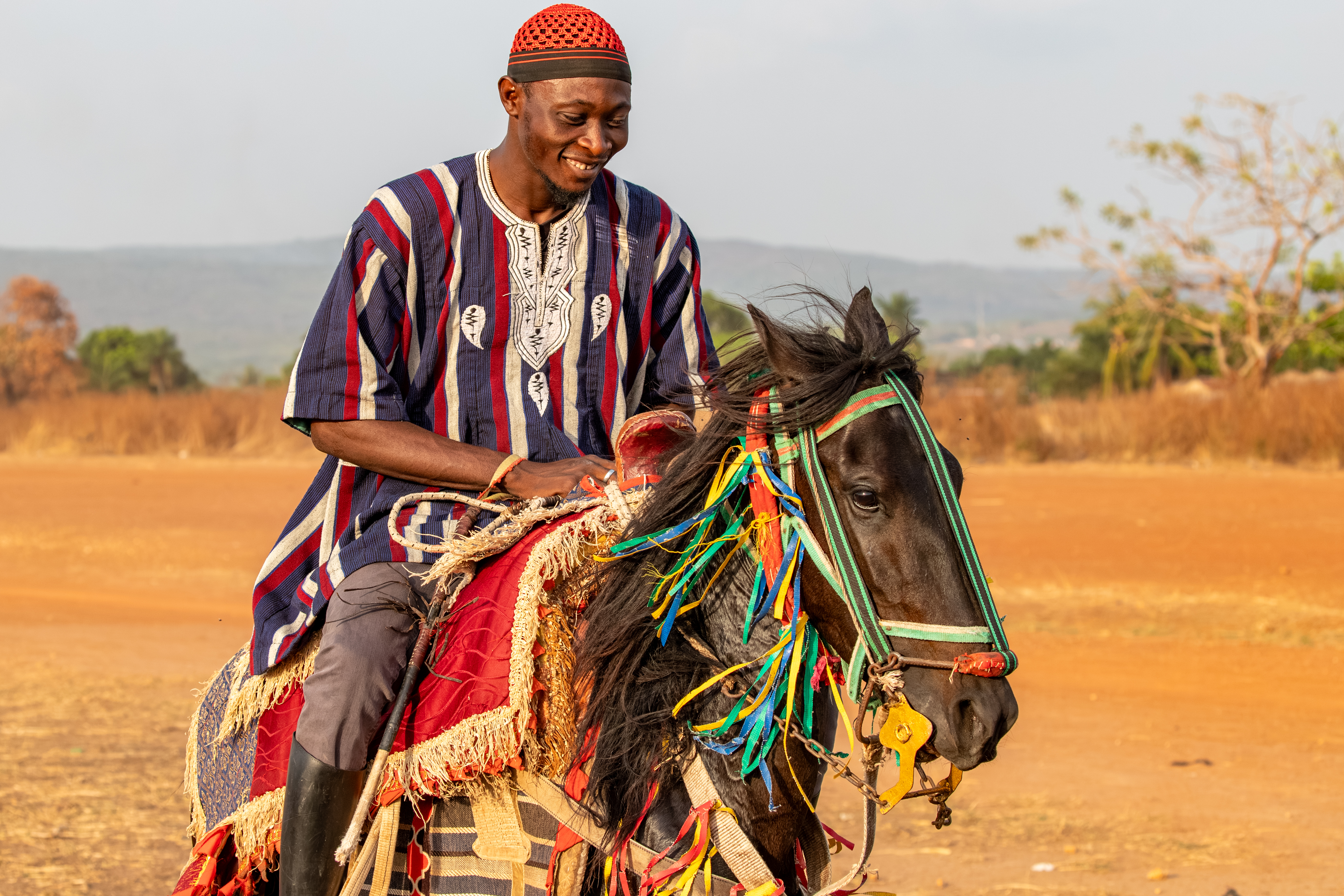
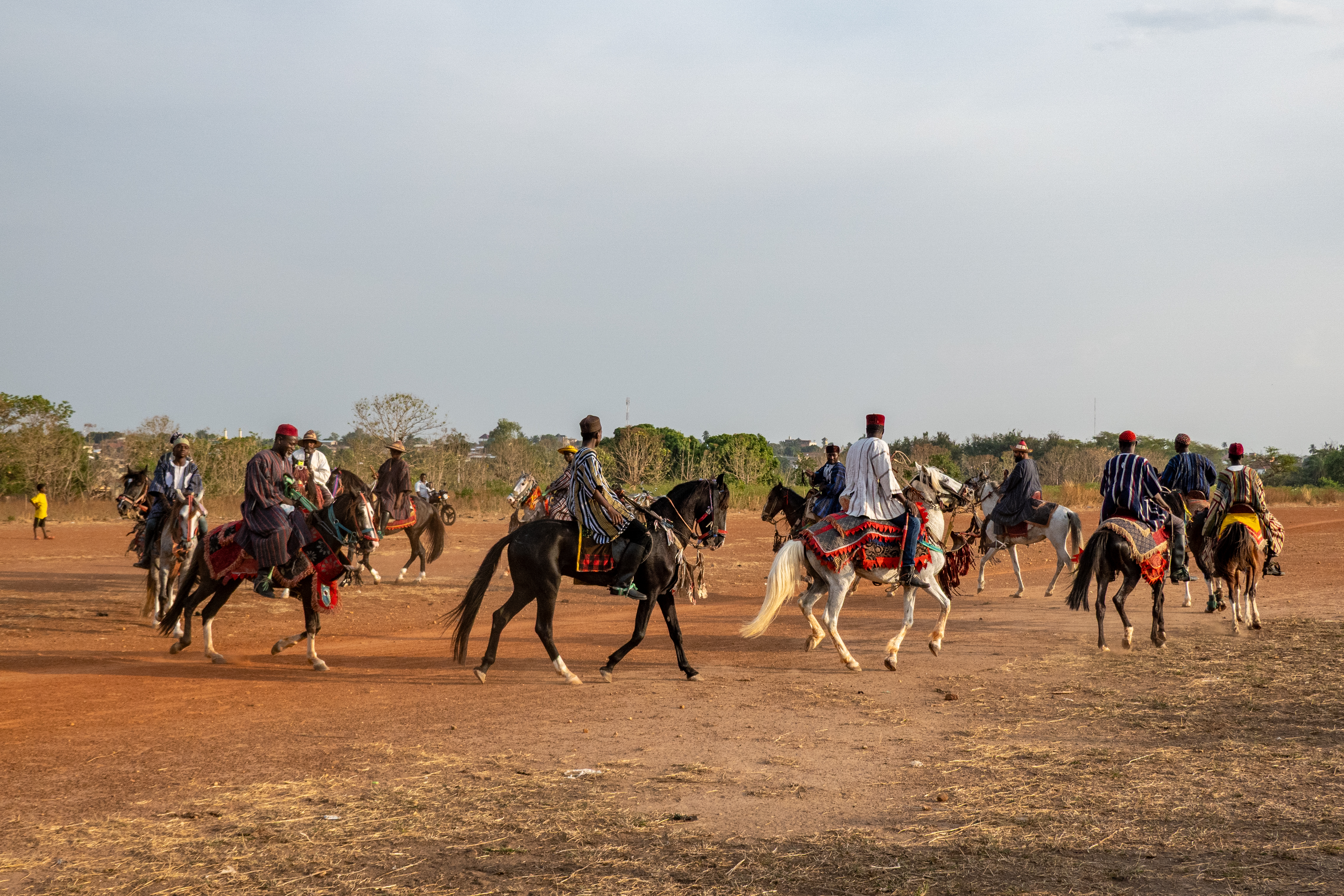
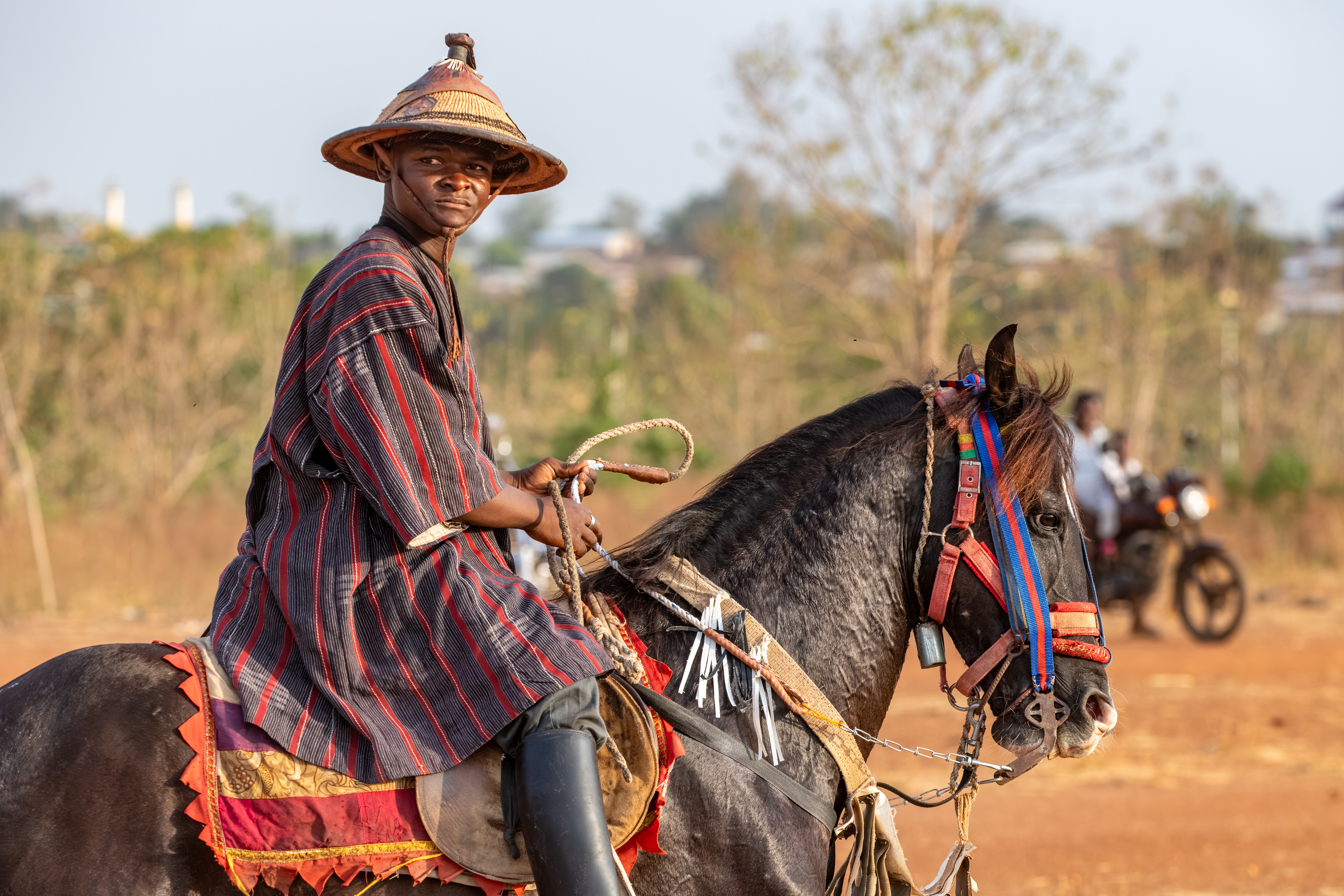
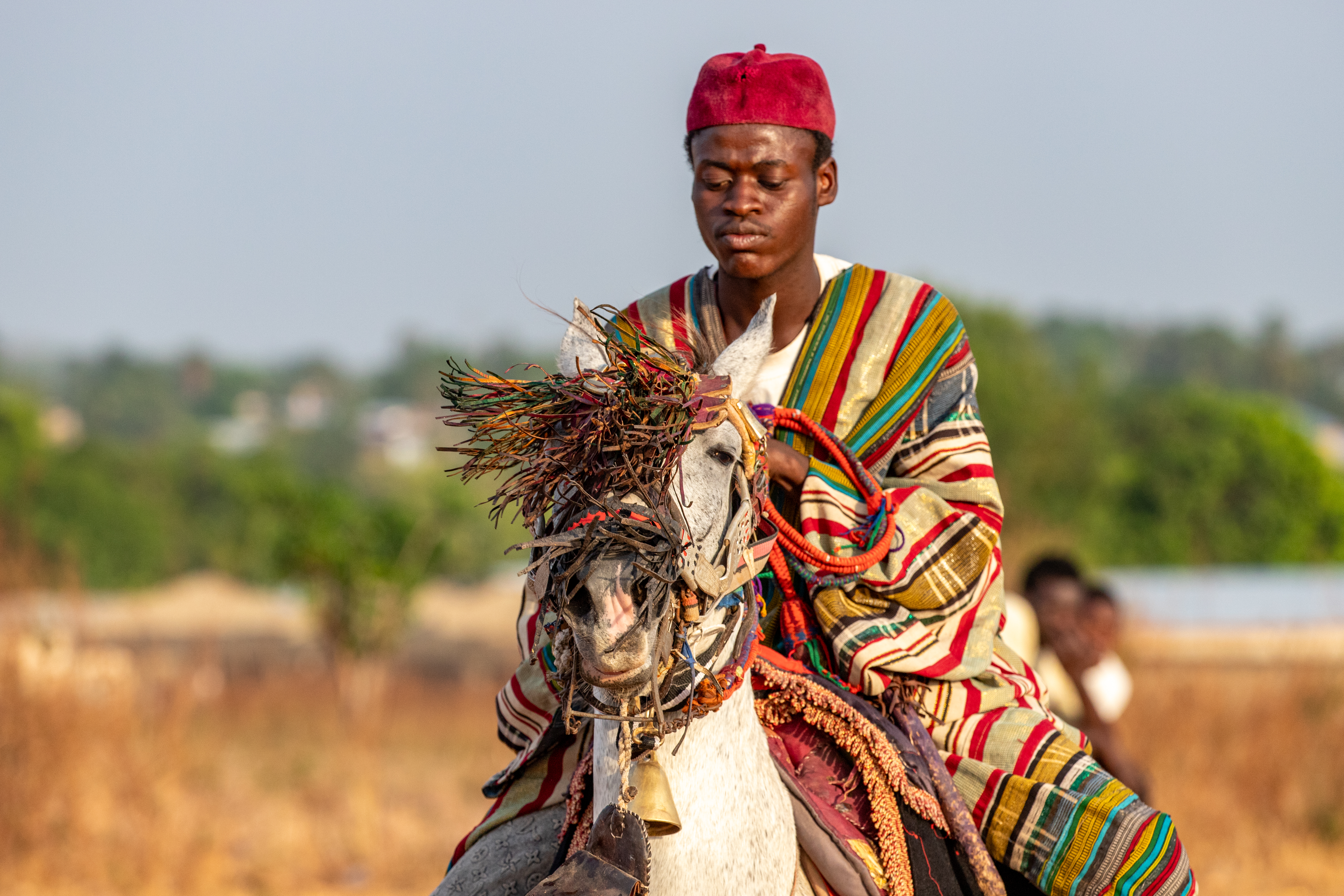
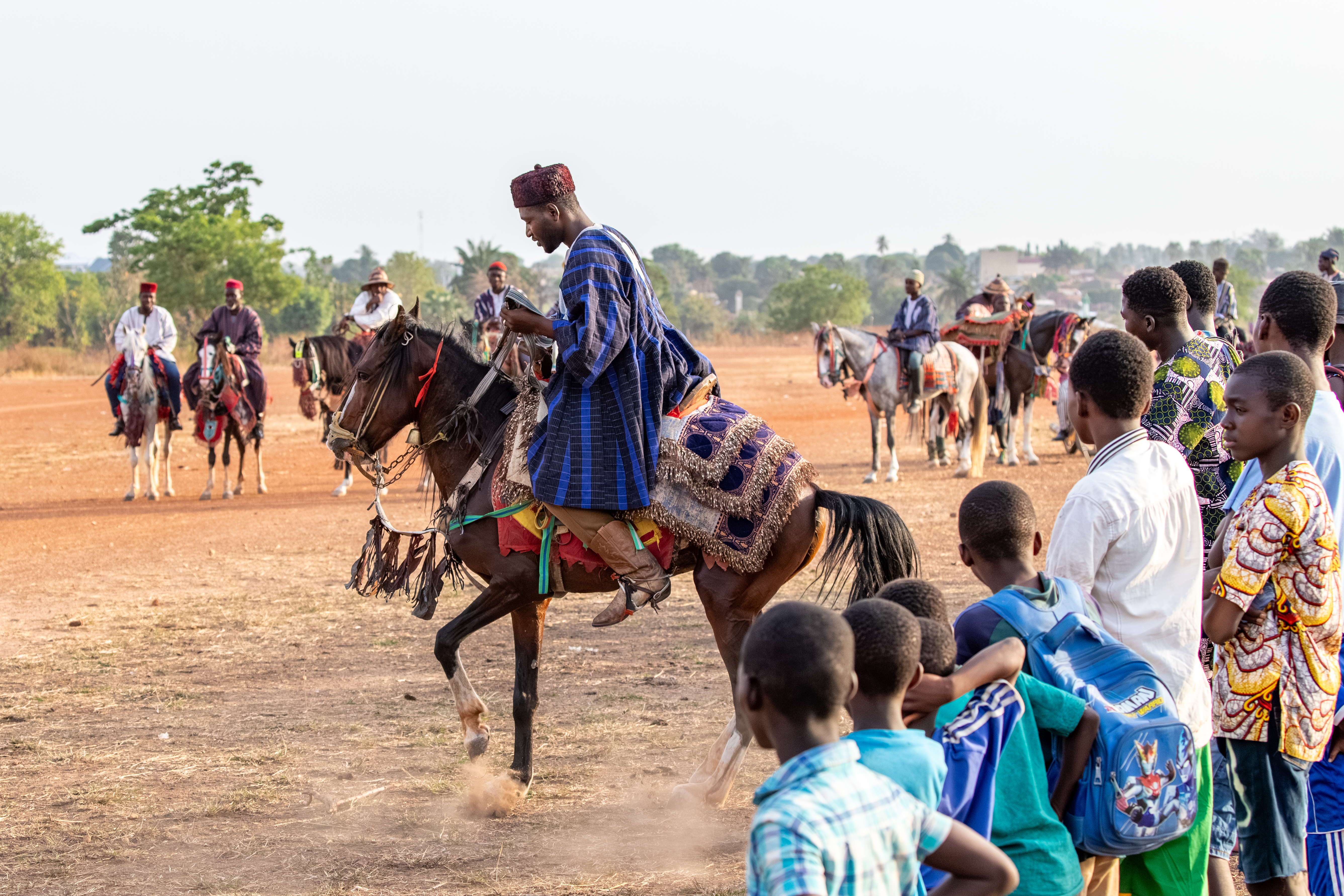
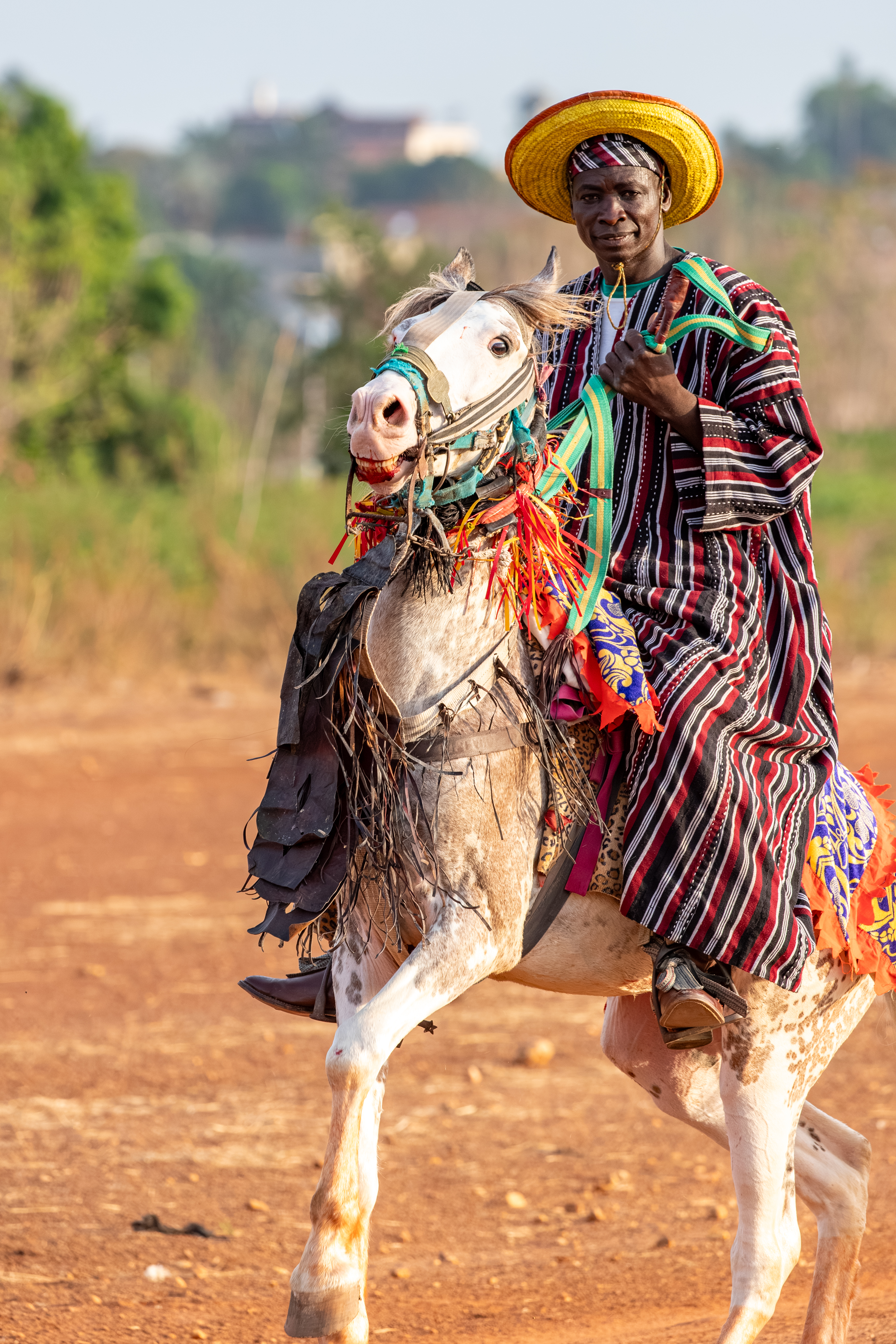
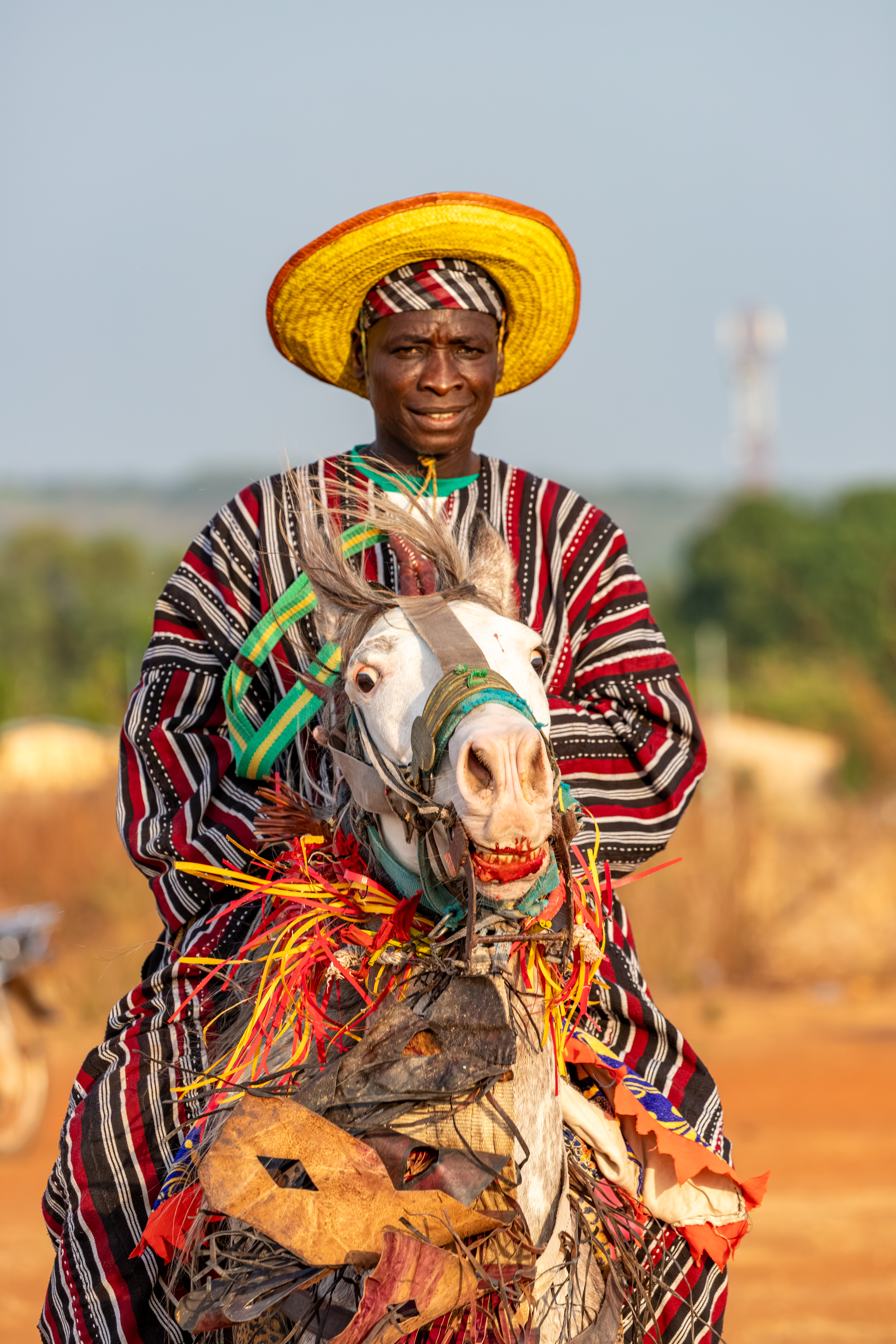
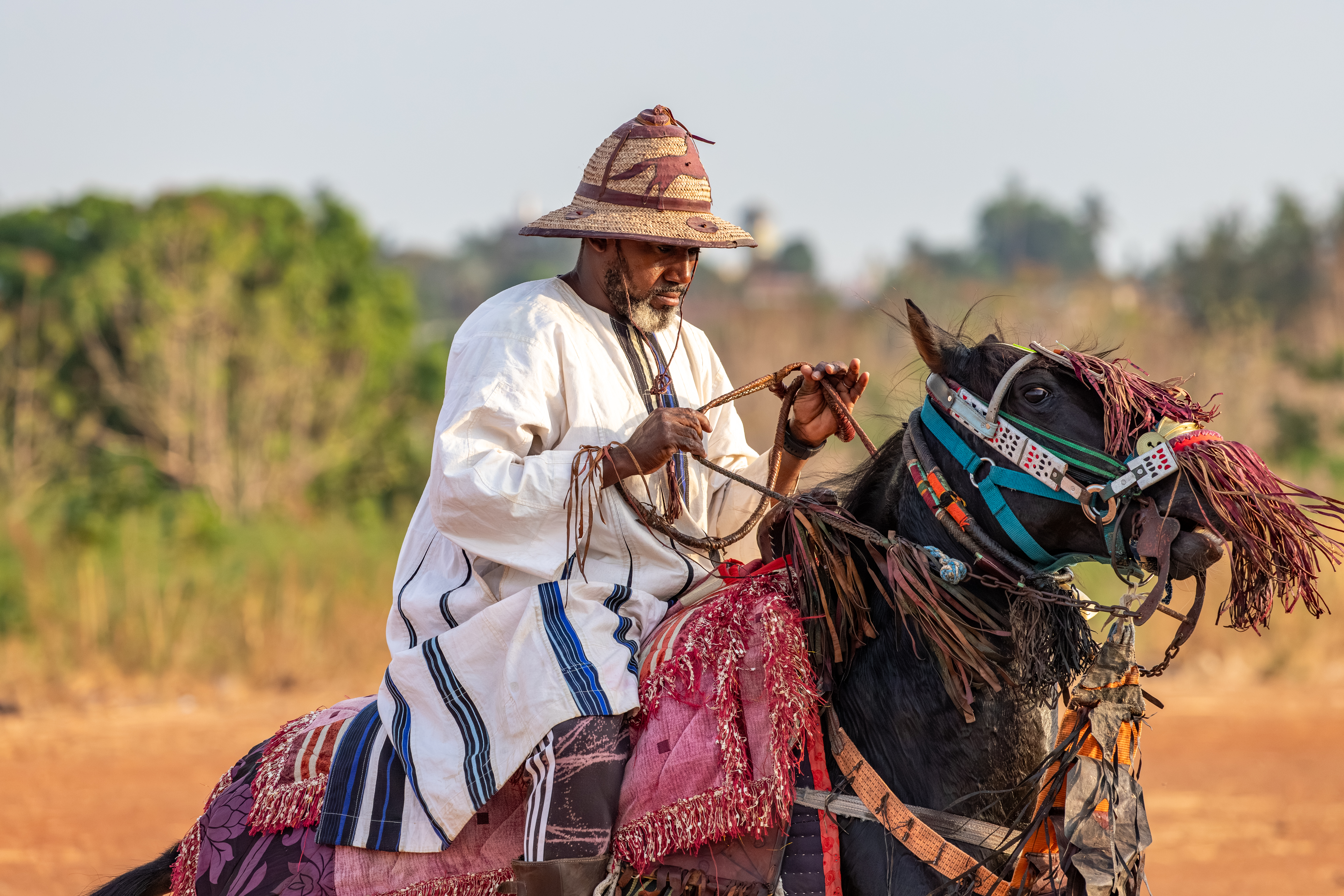
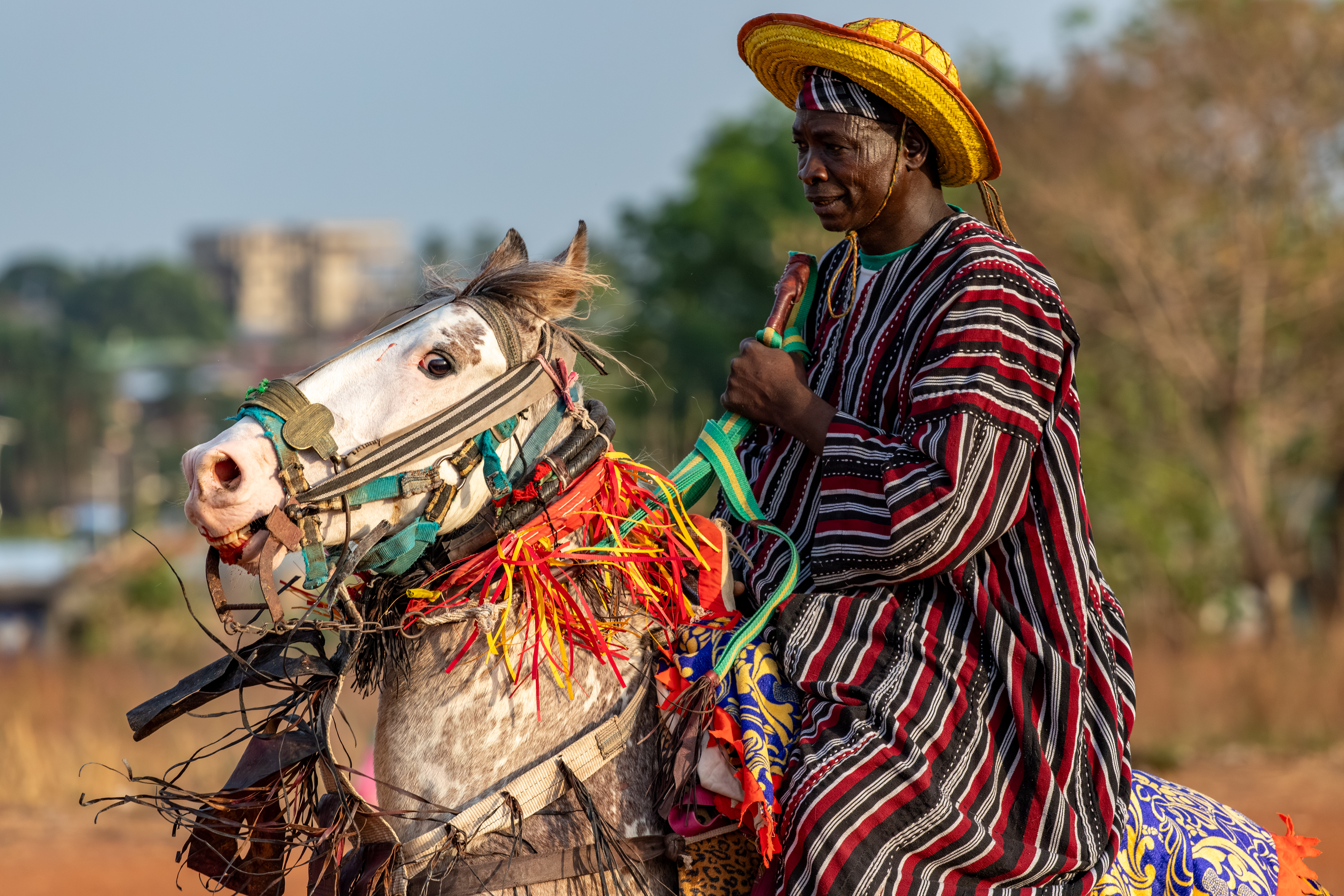
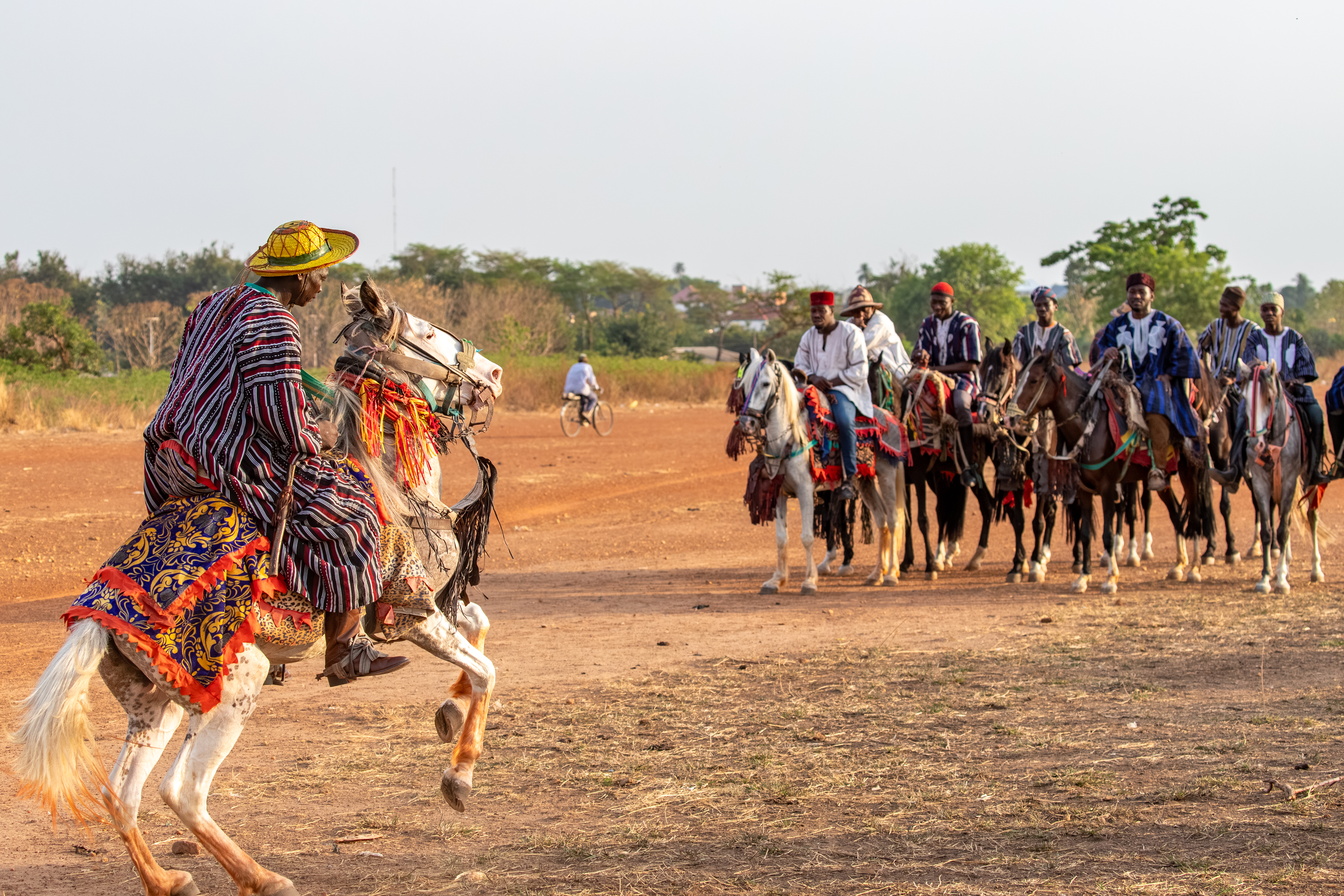
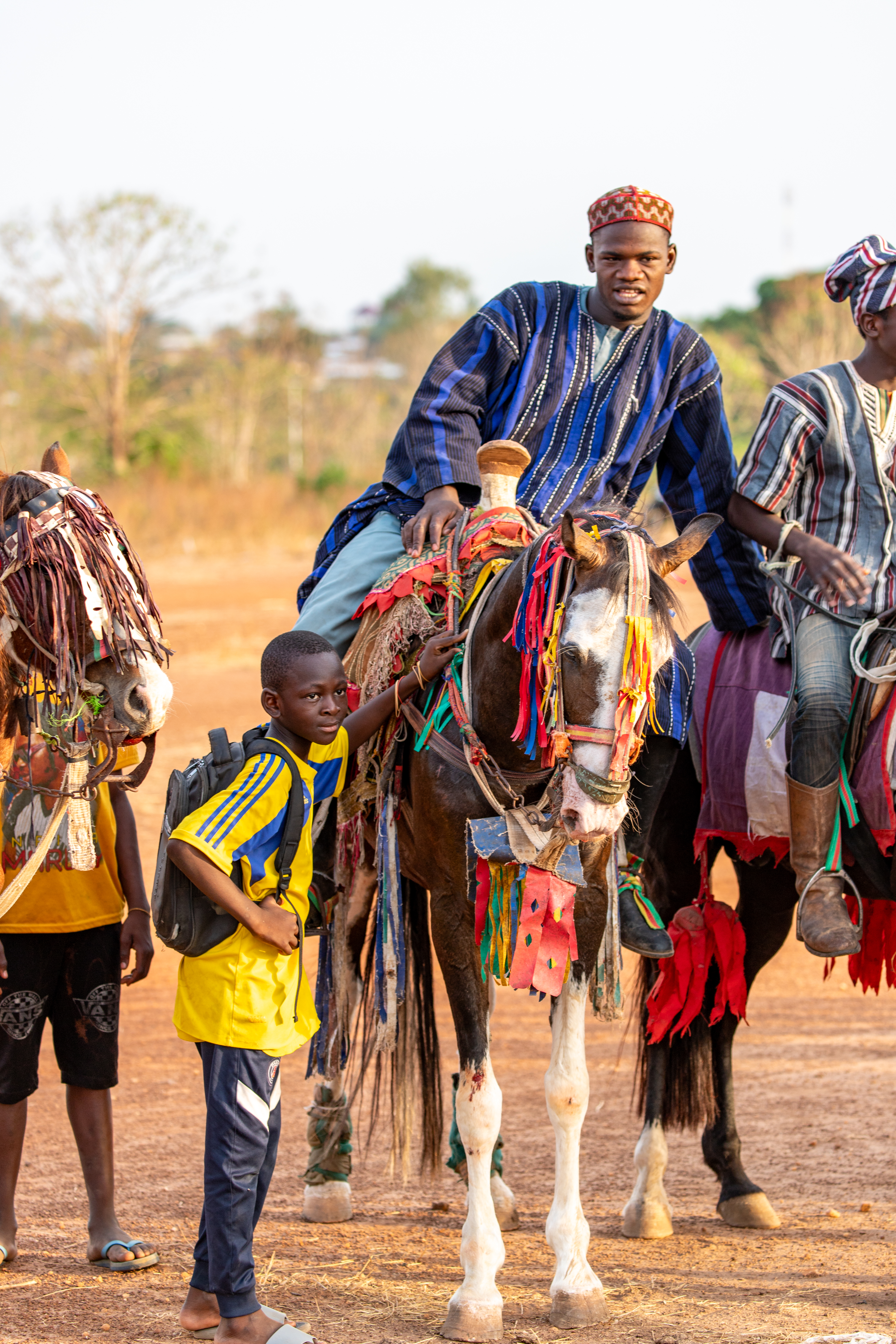
We left lunch just after 15:00, headed towards Sokodé. We left Kara for the final time (or at least the final time this trip), headed south on the main highway. Around Aledjo Kadara we descended a bit, and in short order we were back in a lush forest instead of the savanna. This area really resembled central Madagascar. We picked up our local guide in Sokodé at 16:30. We were told that the Kotokoli people in Sokodé came from Mali. They were warriors that used horses extensively, and there was a long tradition of cavalry. So we were going to see a cavalry show demonstrating using horses for attacks, for speed, and for dancing.
 |
 |
 |
 |
 |
 |
 |
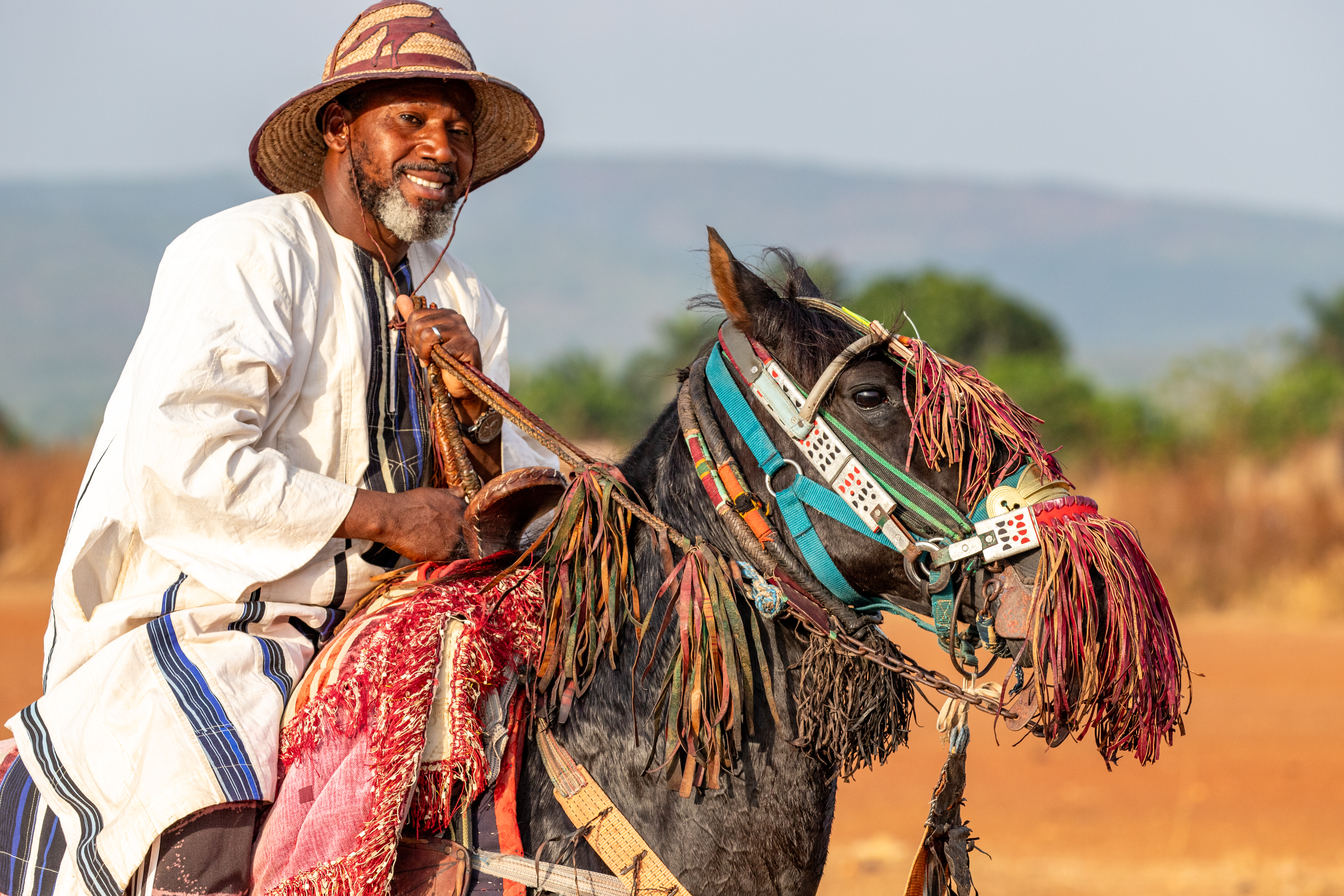 |
It was awesome. The drums were hypnotic. The outfits and designs for the riders and for the horses were incredible. The late afternoon lighting was perfect. Justin took so many photos that his camera temporarily died. He had to take the battery out and then put it back in, and thankfully that worked. Maybe it just overheated from taking too many photos in too short a period of time (around 350 photos in 30 minutes, but not evenly spaced out). For a 30 minute show, this was about as good as it gets. Indeed, the whole day had been like a tapas meal, with one short thing after another, none taking up too much of the day.
 |
 |
 |
 |
 |
 |
 |
 |
We got to our hotel (Hotel Solim) around 18:00. As was becoming (unfortunately) habitual, it was a CF. People were simultaneously trying to check in, fill out arrival forms, get on the wi-fi, go through the restaurant menu, etc., which led to people not hearing/understanding something, things needing to constantly be repeated, etc. So when it came to dinner, Sena read off the available food on the menu, and the first thing he said was “vegetable soup” - Crystal said she’d take that and then she walked off. Justin got an onion soup, which was the second thing Sena mentioned. He followed Crystal to our room.
 |
 |
 |
 |
 |
 |
 |
 |
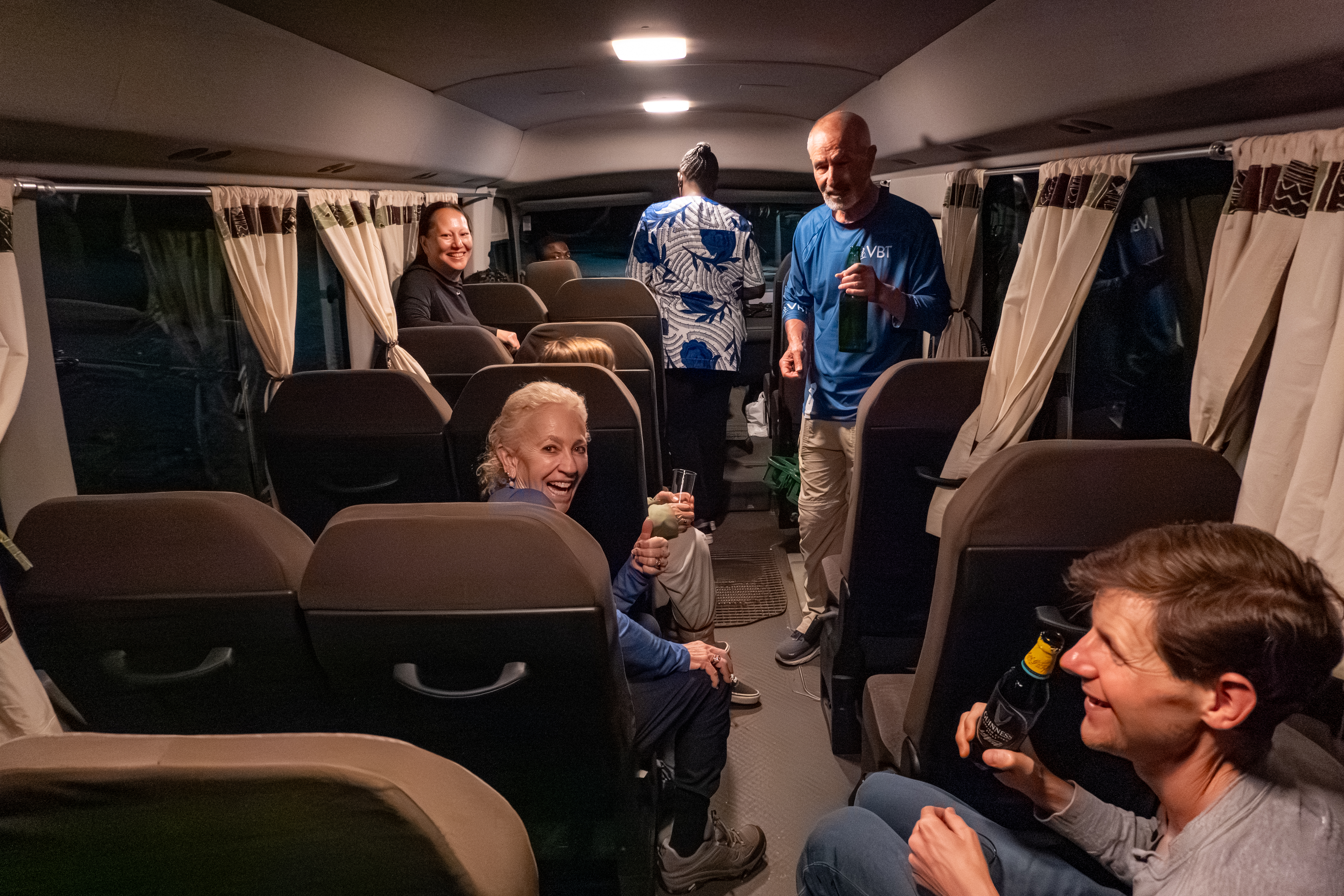
Inside the room, it was not nearly as bad as we were led to believe. Our room had a new AC unit that worked well, the room was clean, and there were plugs to charge our devices. That’s really all we needed/wanted. As far as we were concerned, it was nicer than the last couple of rooms (basically everything but the French place in Cotonou). But then the power went out, and it didn’t come back. The room started to heat up in a hurry. At 19:00 we went down for dinner, curious how that was going to work. Sena suggested we open some wine and beers on the bus.
 |
 |
 |
 |
 |
 |
And, much like our sorghum beer block party earlier in the day, we had an impromptu party. We turned the bus into a party bus. The hotel staff brought our food and drink onto the bus, and we carefully ate and drank without spilling. Having soup was a bit more difficult, but we managed. About halfway through dinner the power came back on, but we all decided we were enjoying ourselves on the bus, and we wanted to stay. We found out that Brian is a beer taster/judge at county fairs and other types of competitions, which had us flabbergasted.
 |
 |
 |
 |
 |
 |
 |
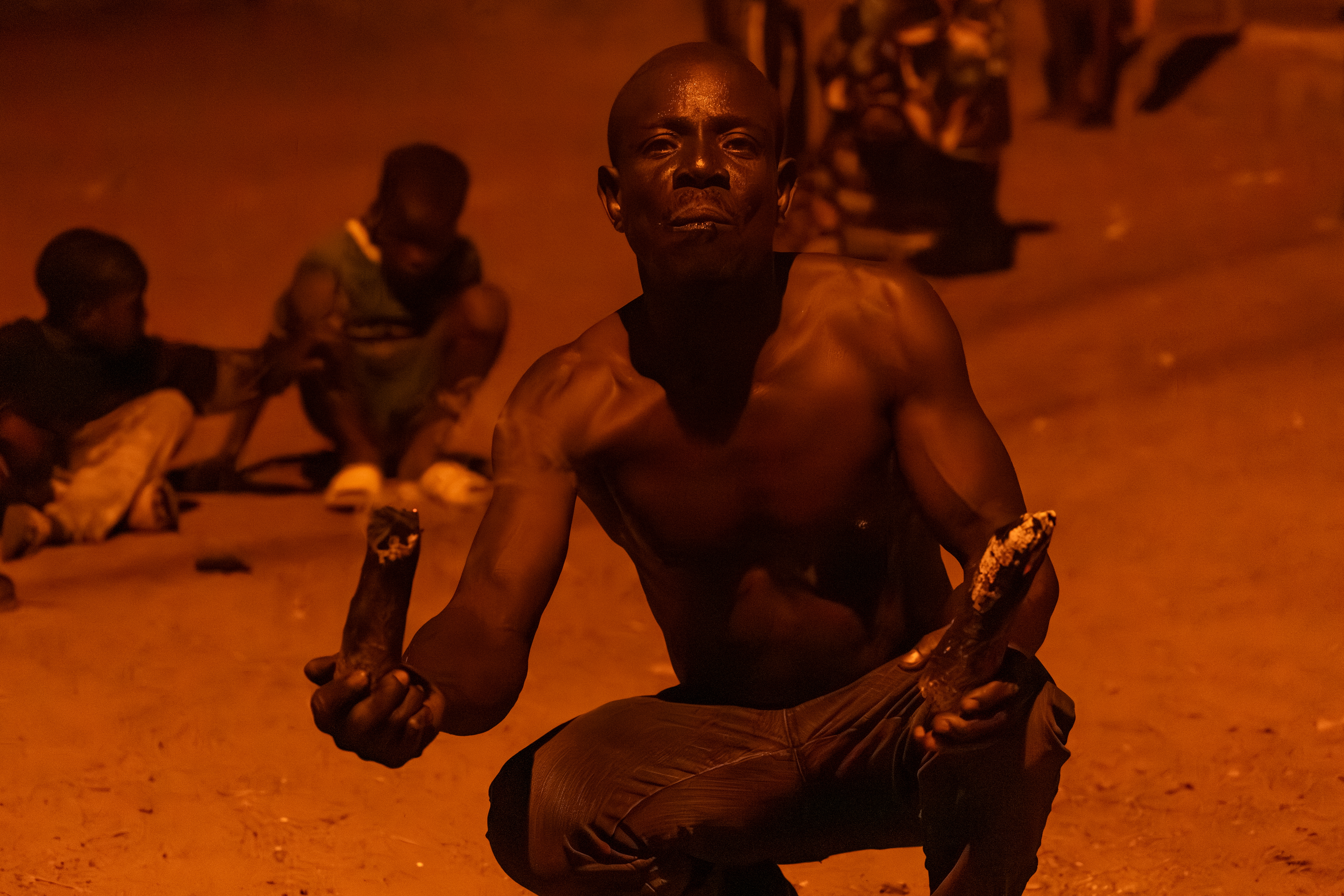 |
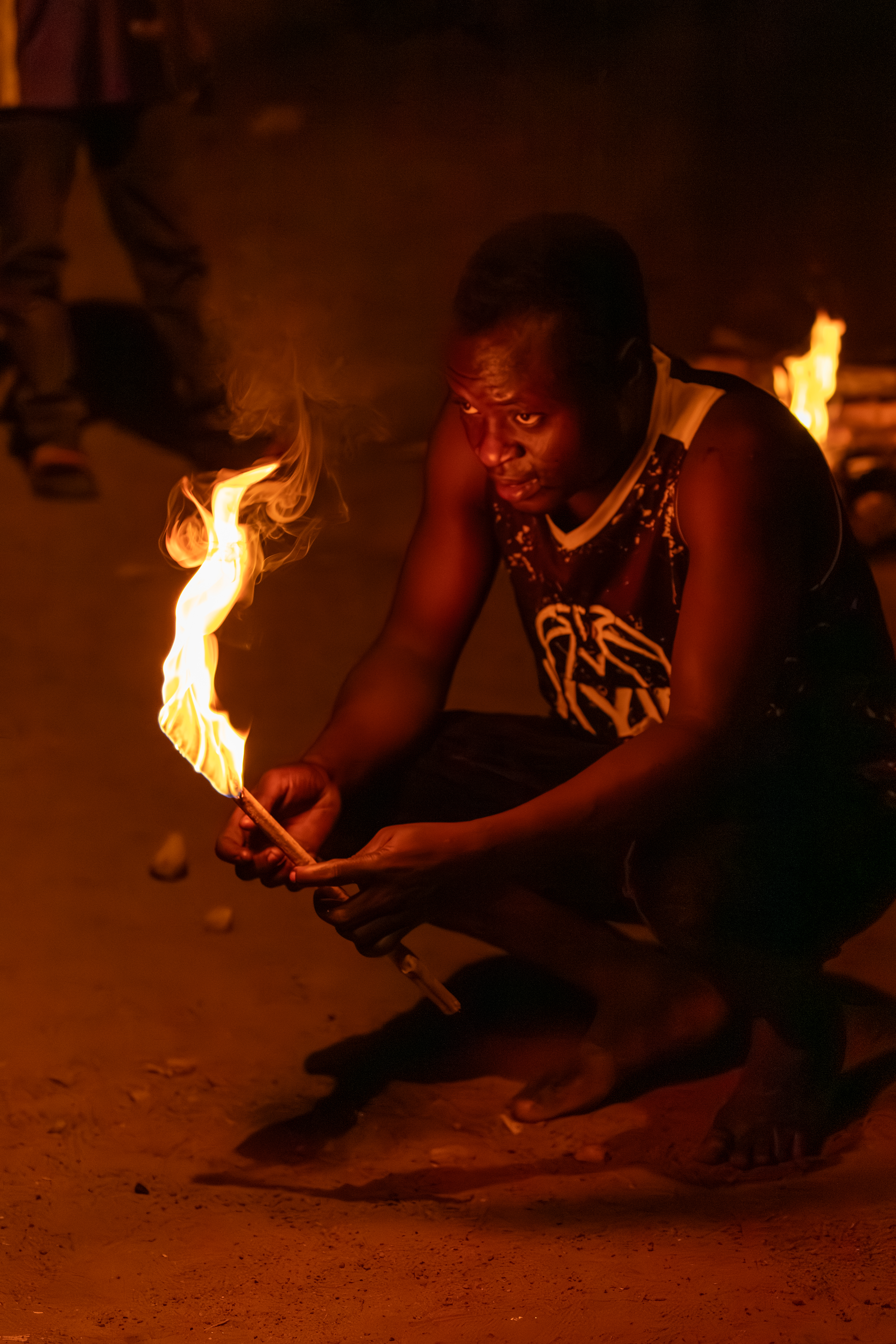
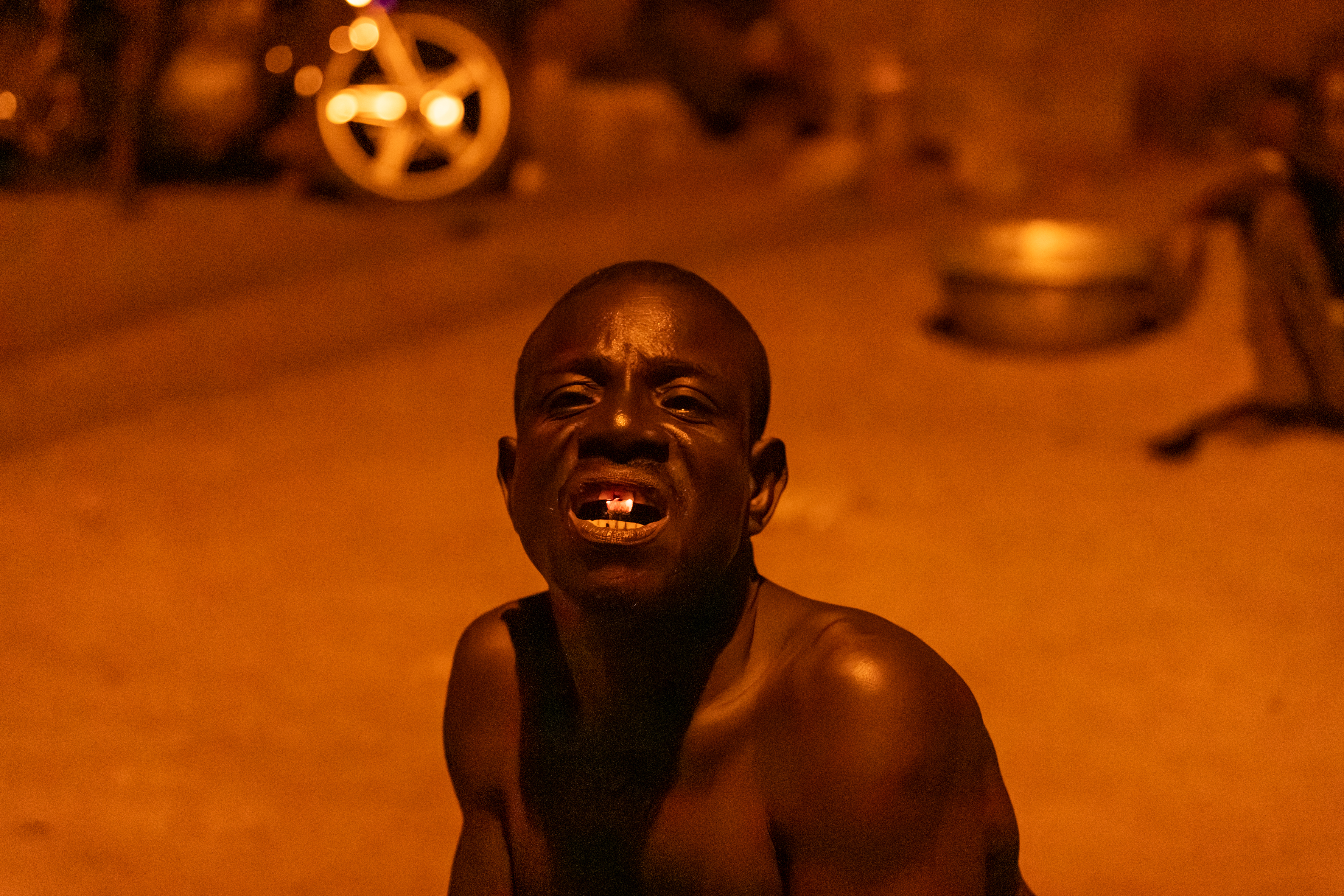
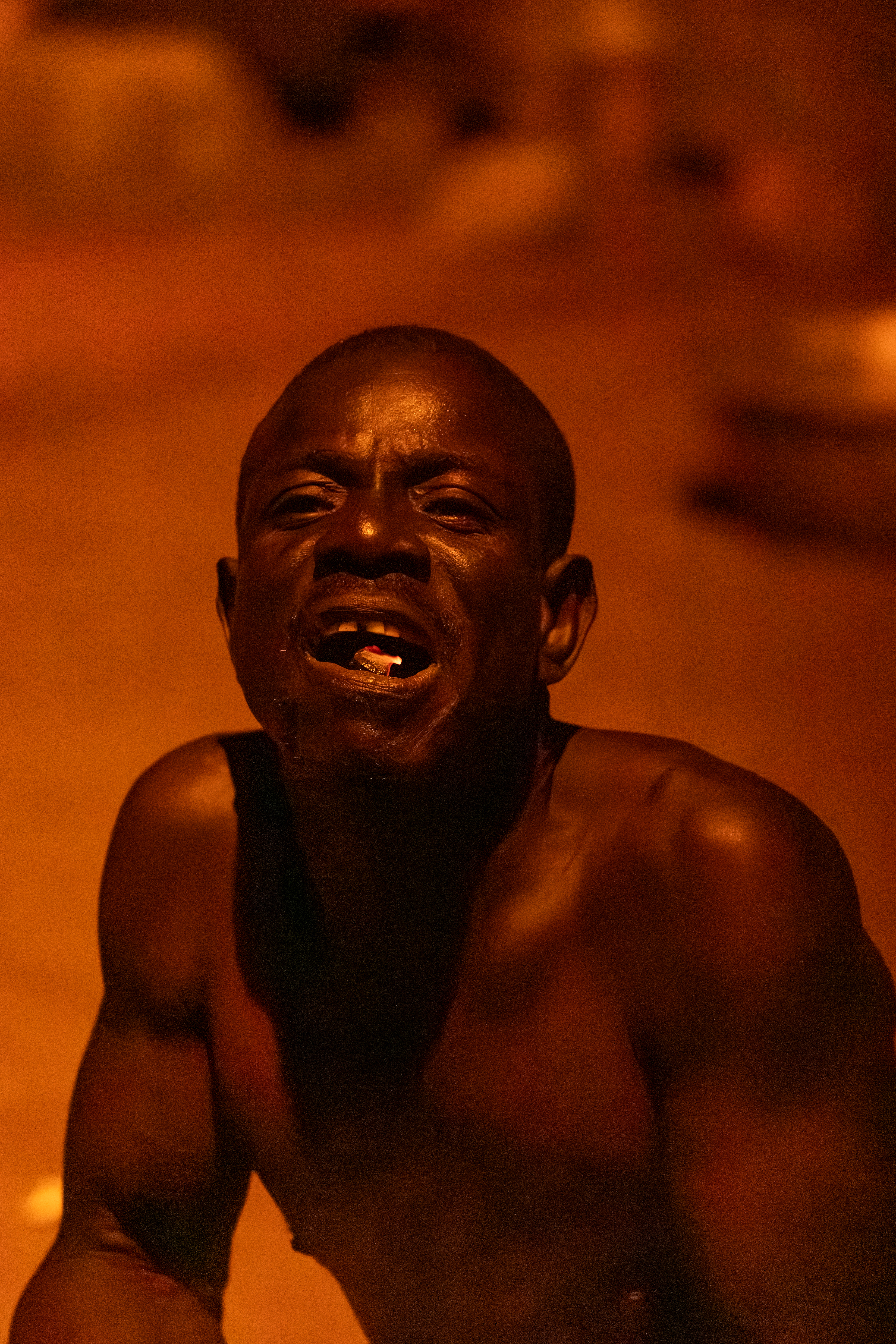
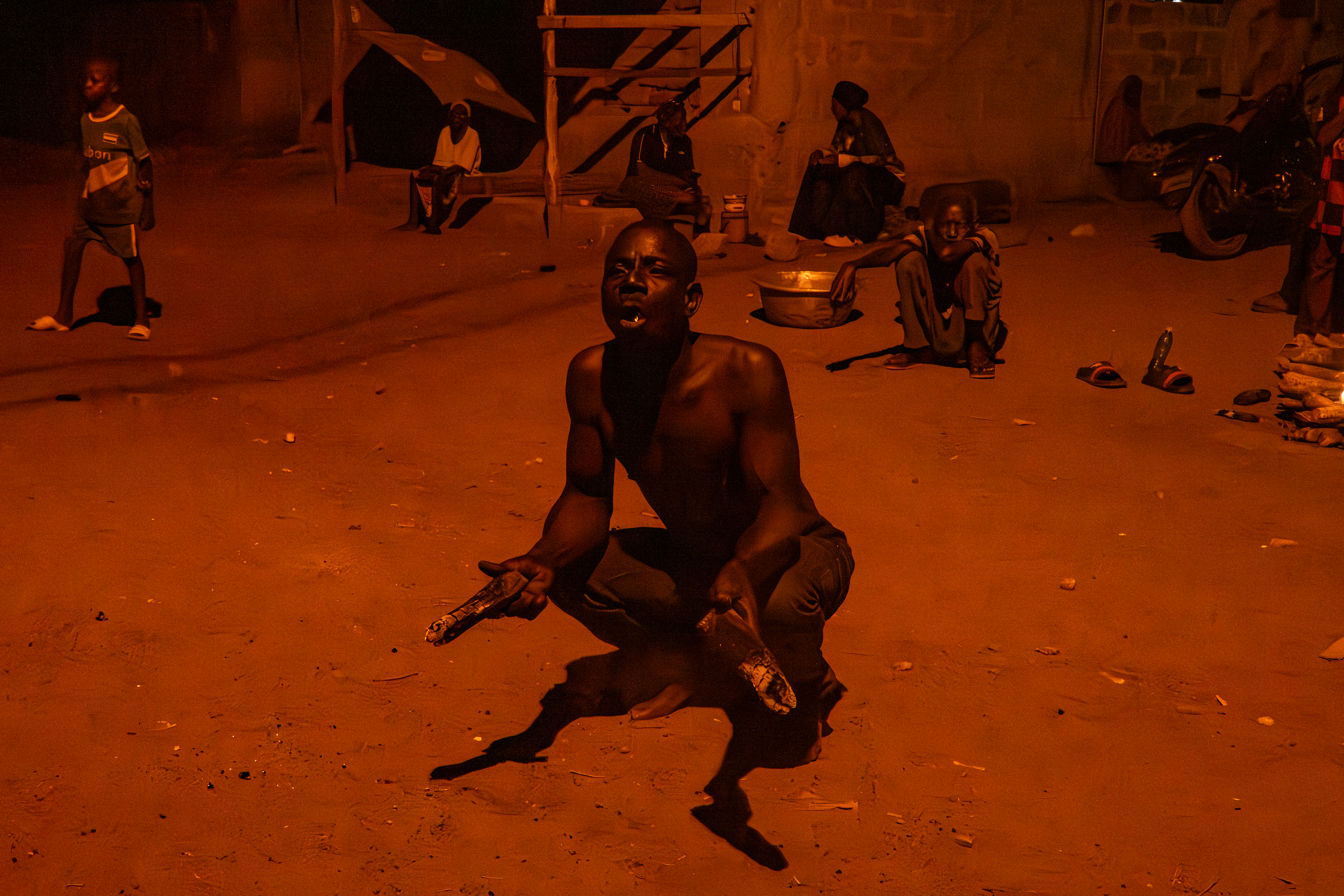
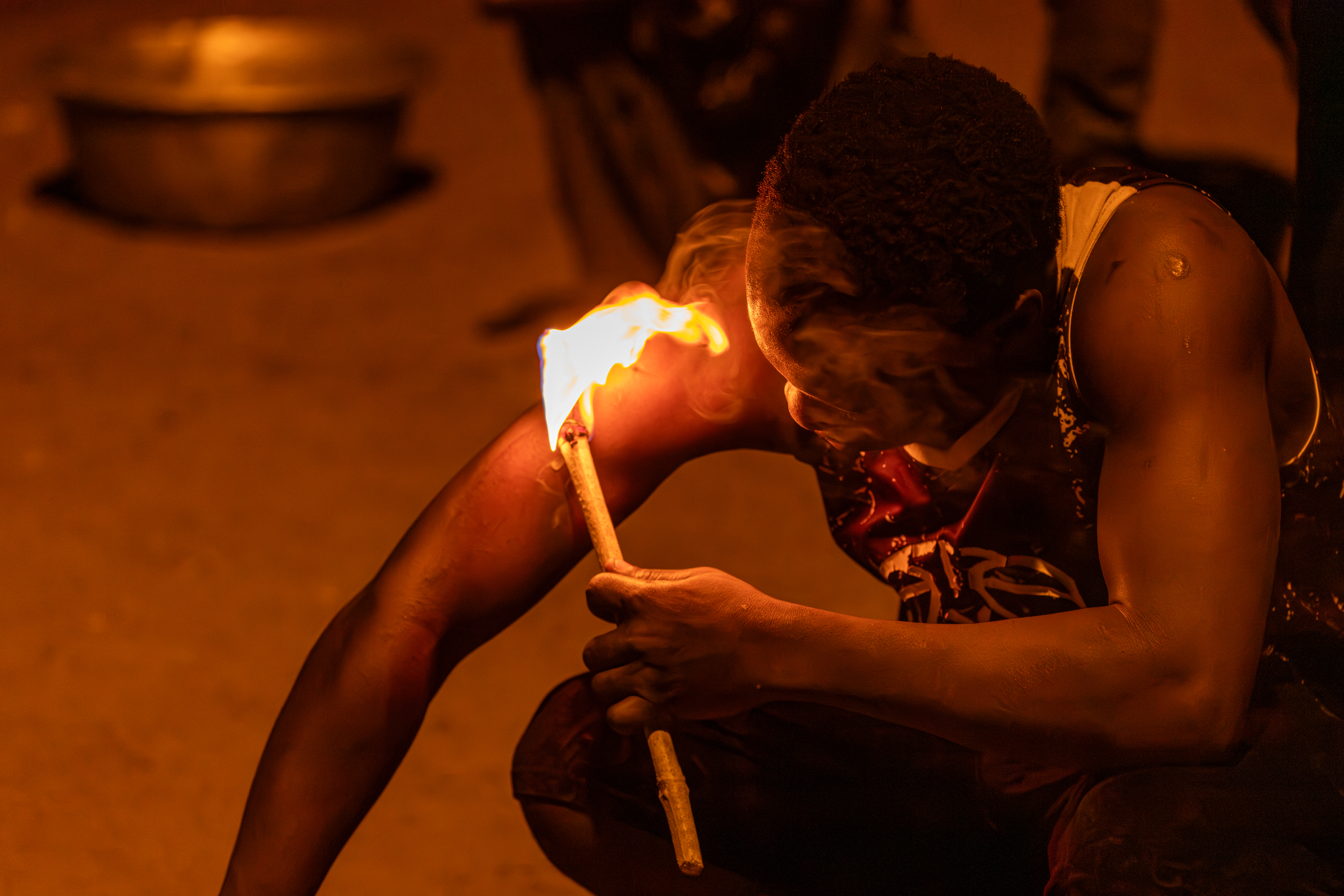
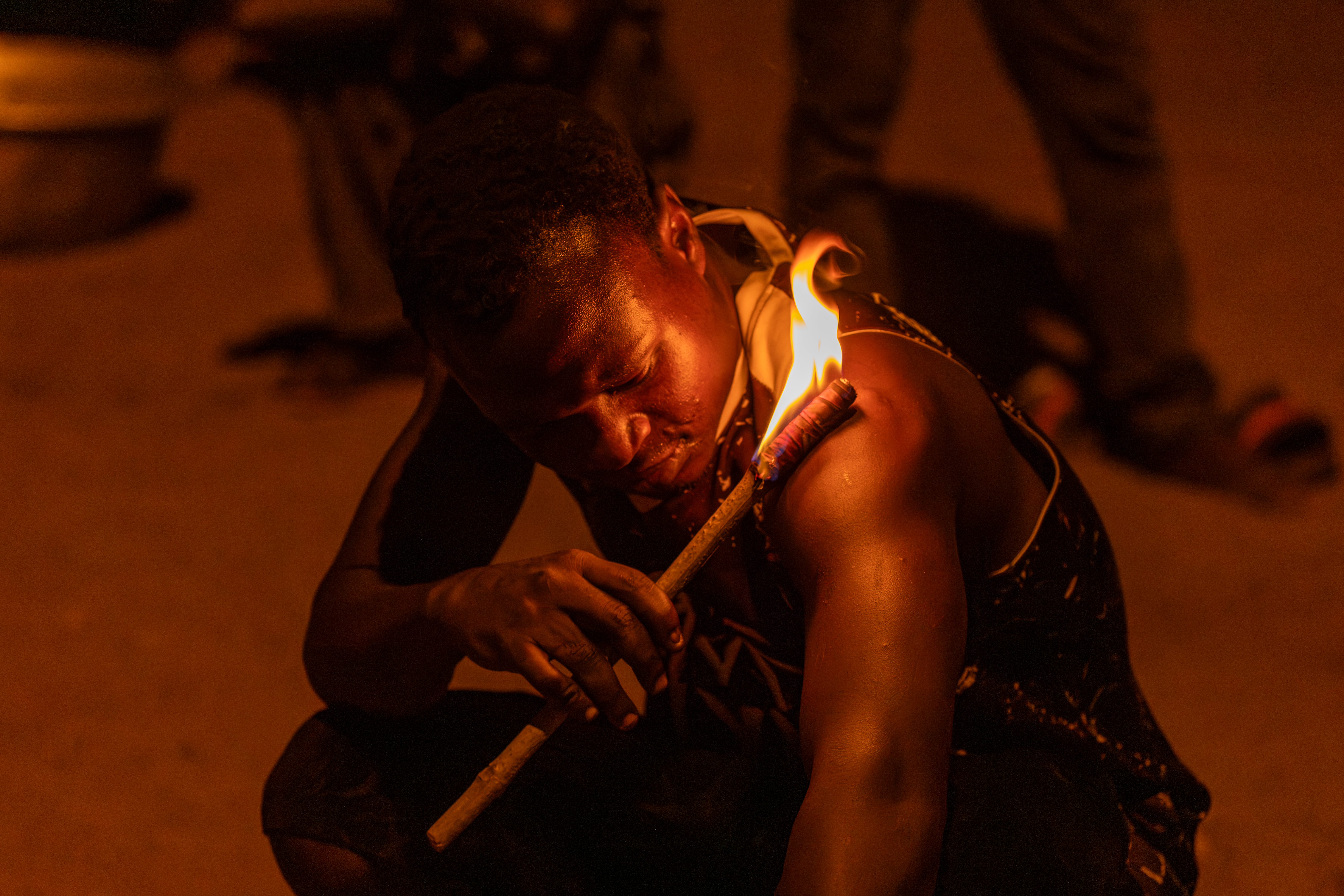
We left the hotel at 20:00 for our last tapa of the day, a fire dance by some of the local Tem people. There are about 10 or so of these shows every year, and they are rooted in history. The Mali empire split up in the 17th century, as many of the people went south when the Berbers came in from the north. These southern areas weren’t too populated, and everyone wanted to be the leader of the newly inhabited areas. There were wars amongst tribes, and lots of people died when thatch roofs were burned in attacks. So the Tem people tried to develop resistance against fire, and what we were going to see stemmed from that.
 |
 |
 |
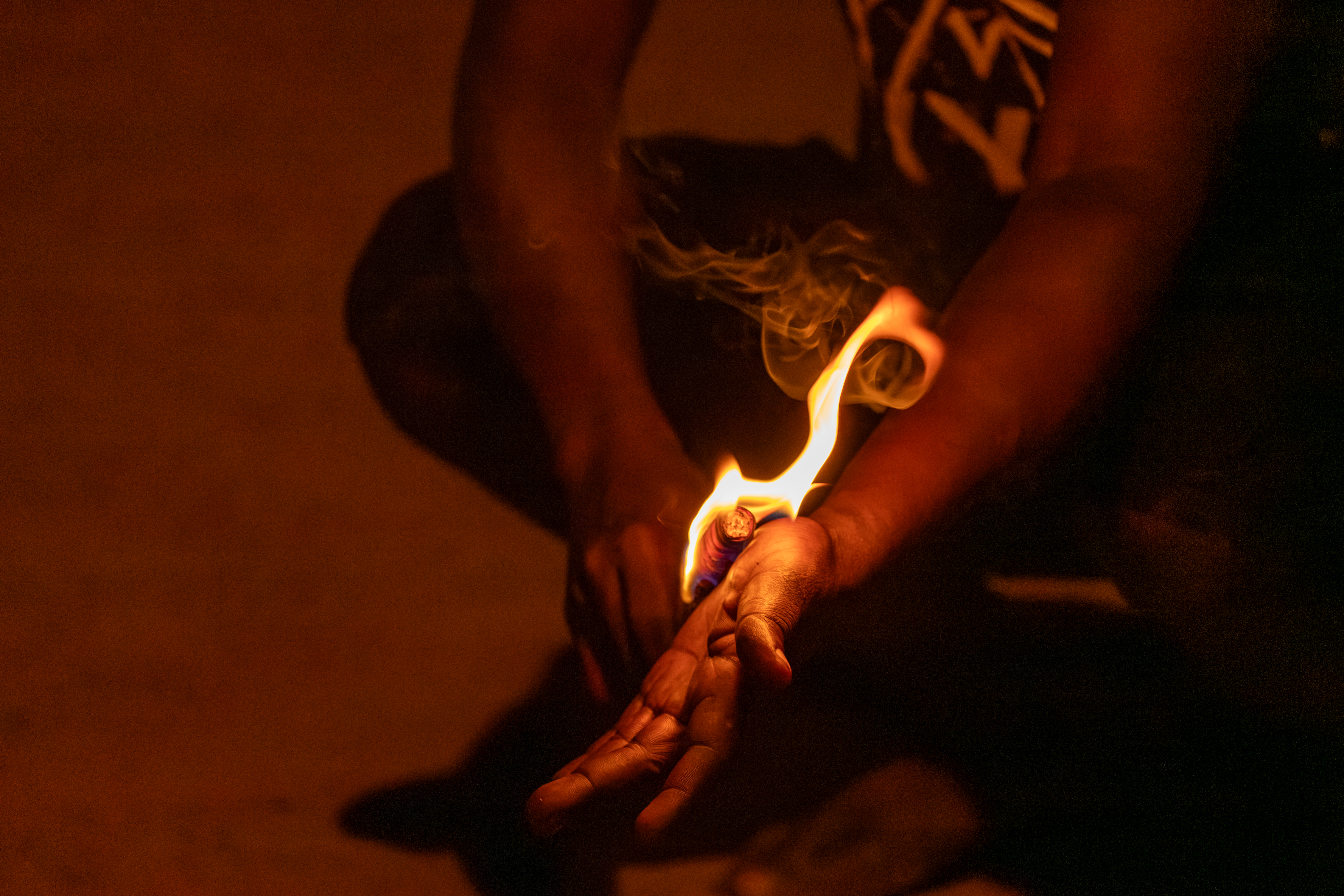 |
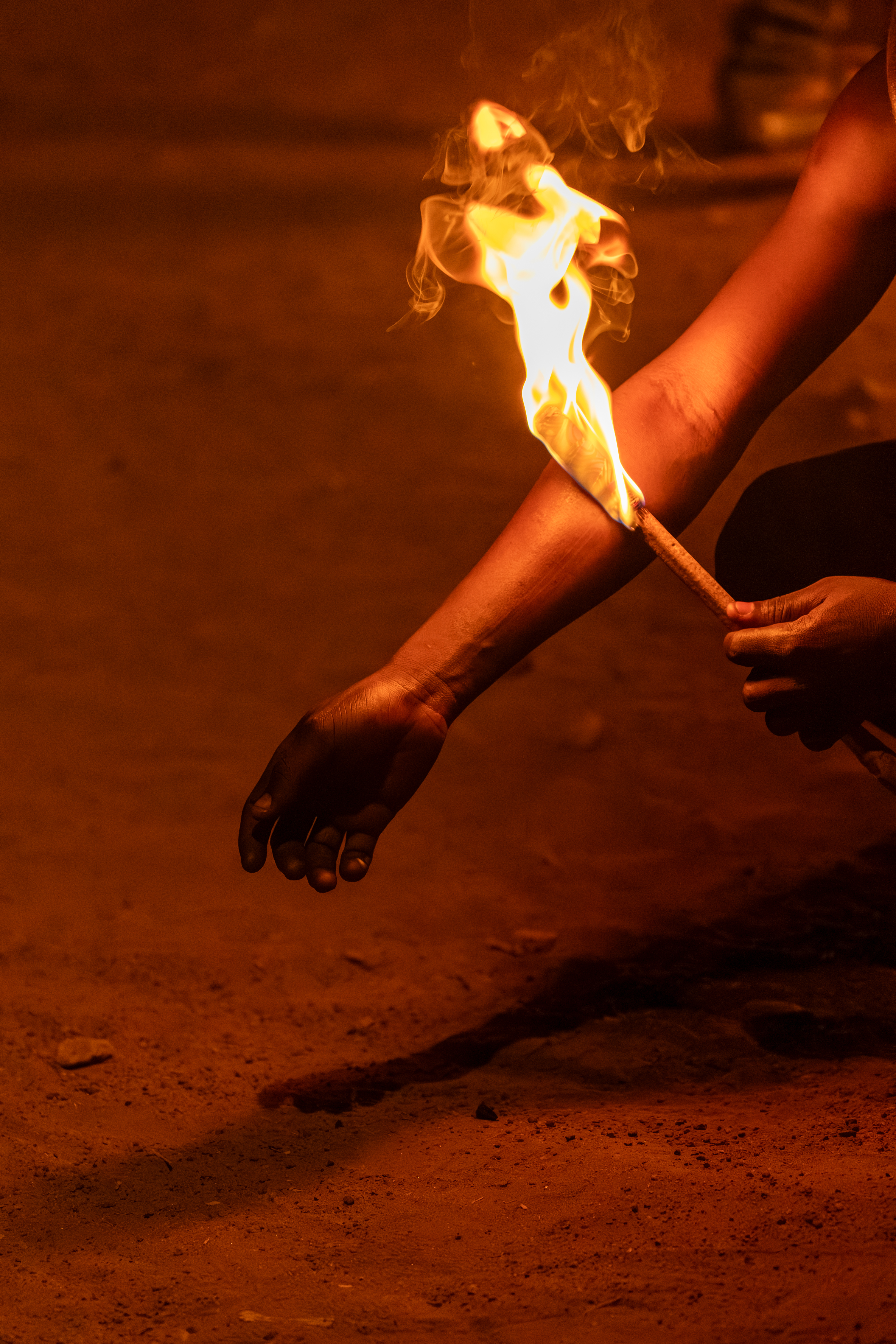
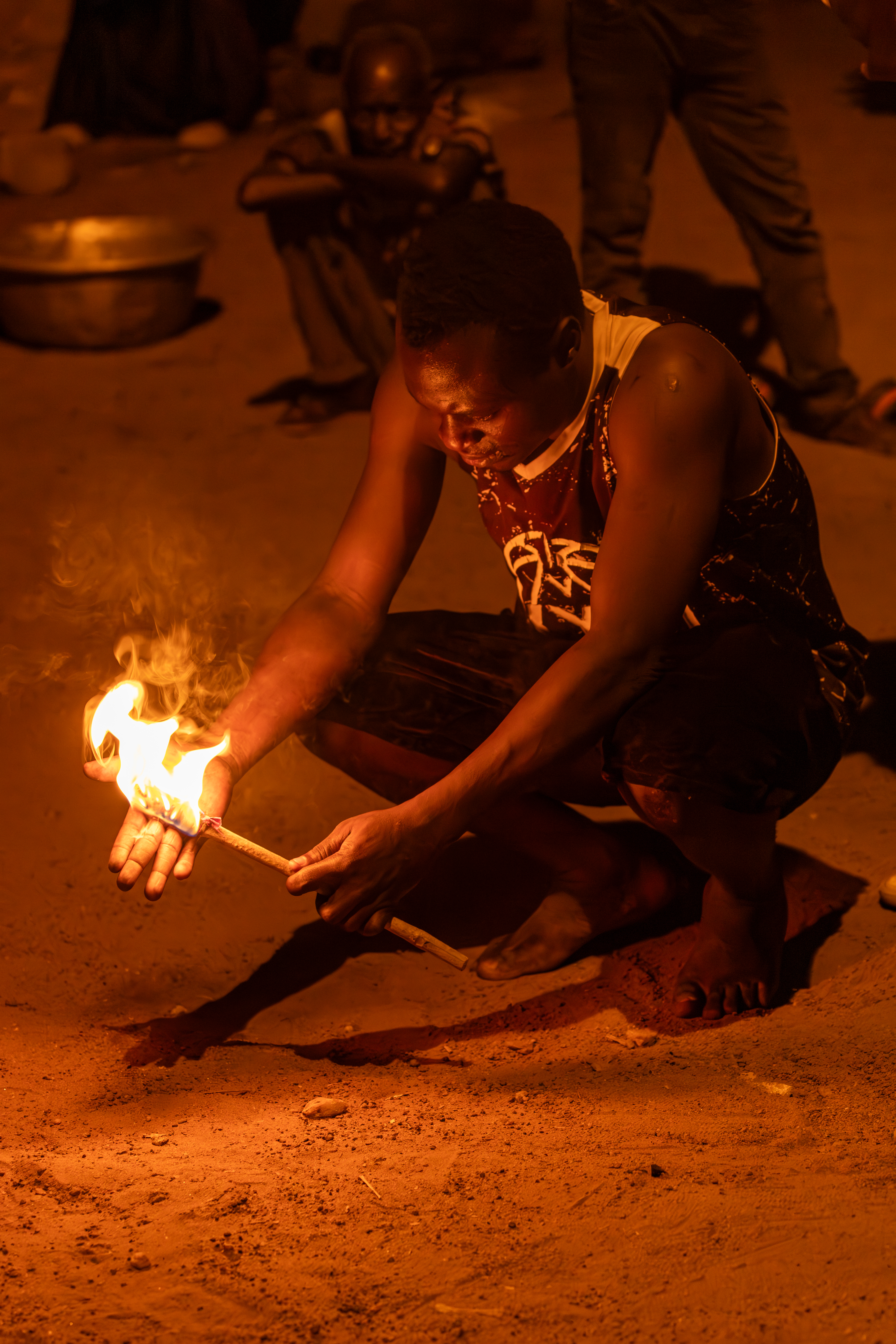
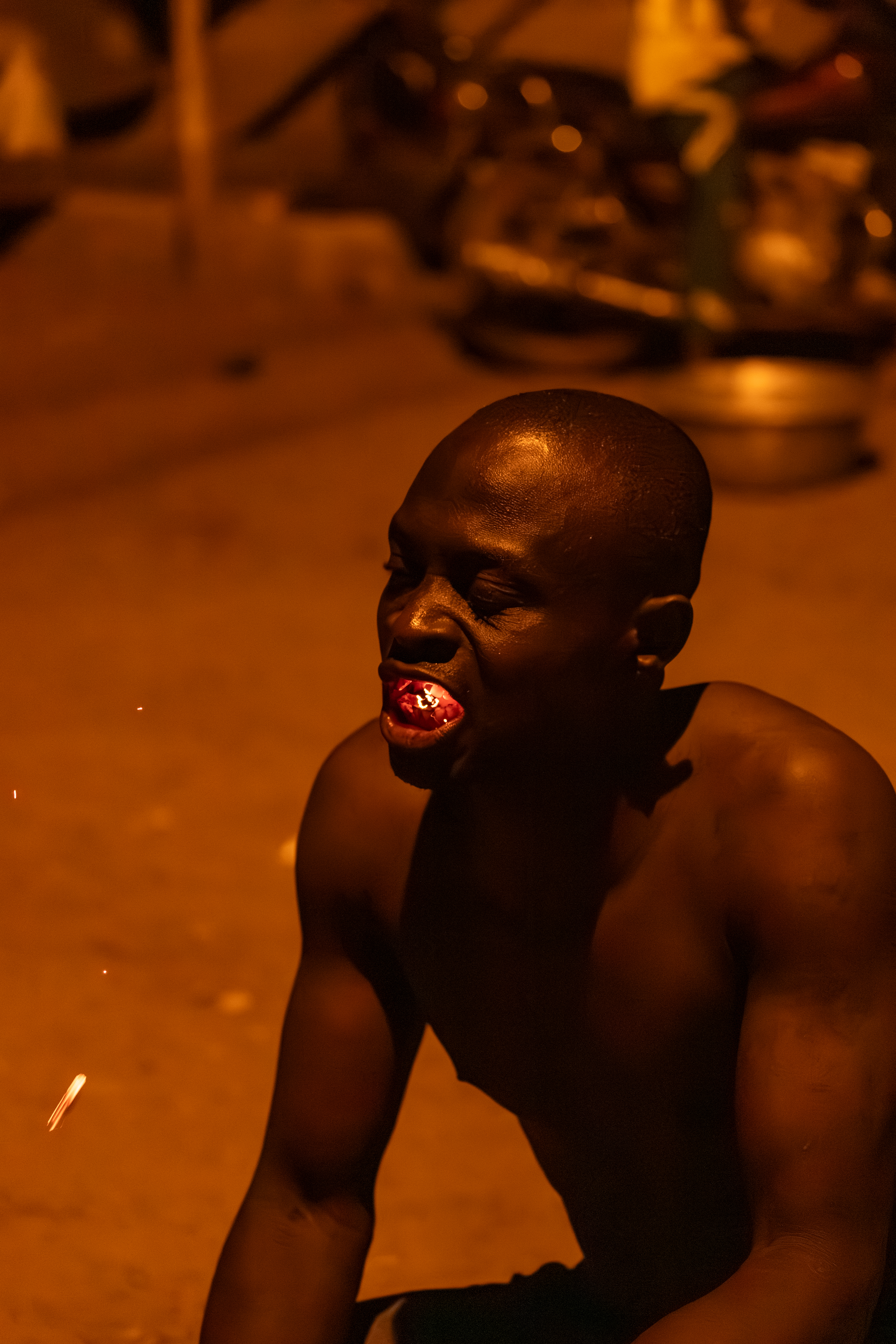
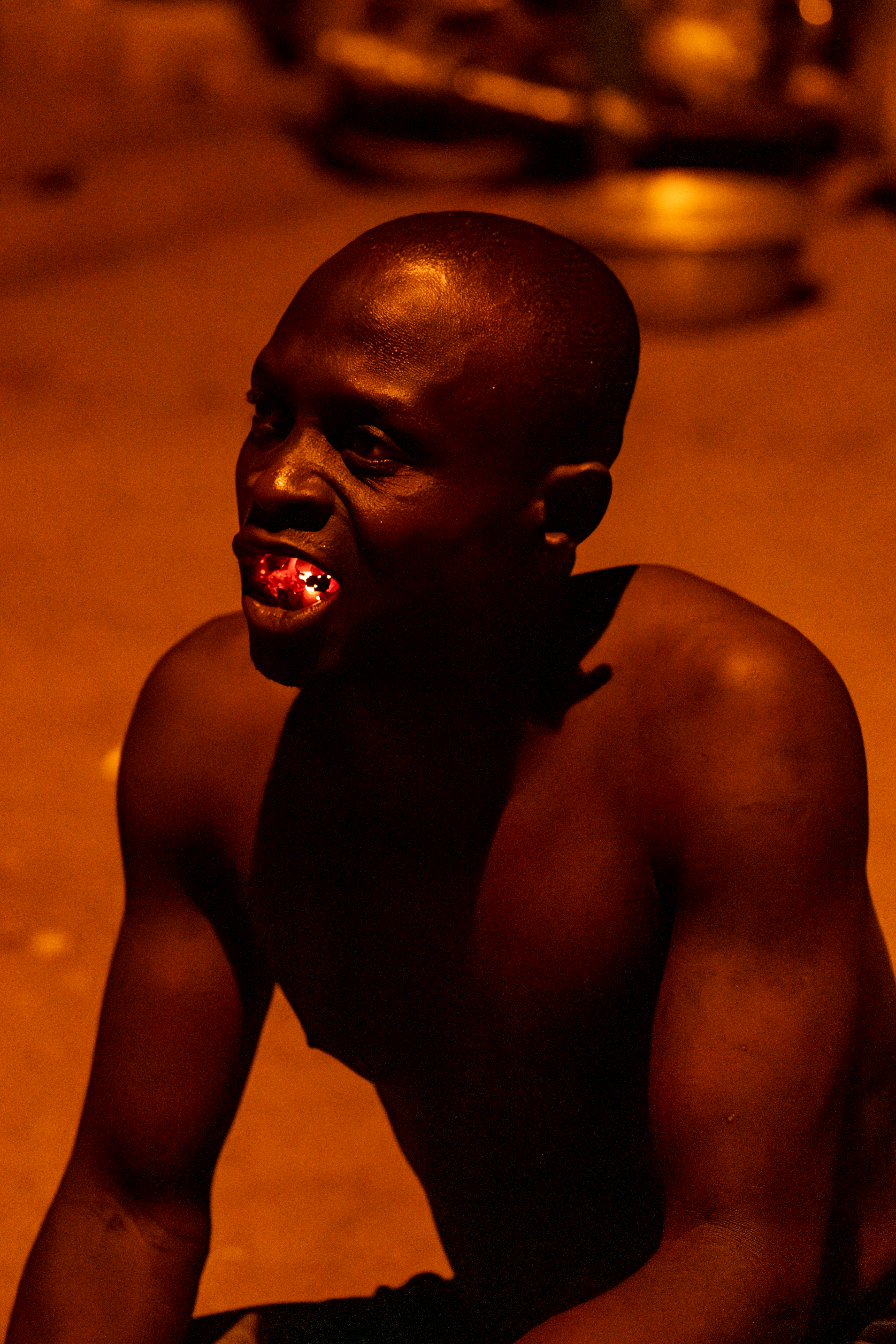
The drums were hypnotic again, very much like the cavalry show earlier in the afternoon. A couple different guys were taking turns. One guy moved flames up and down his arms. Two other guys (one a bit younger and one a bit older) literally bit off pieces of embers, and held the embers between their teeth. We surmised the guy with the flame on his arm had waxed his arm beforehand, and the wax was a protective layer. Justin surmised this based on a Mythbusters episode where one guy was able to dip his finger in molten lead (without issue) after applying a coat of wax on the finger.
 |
 |
 |
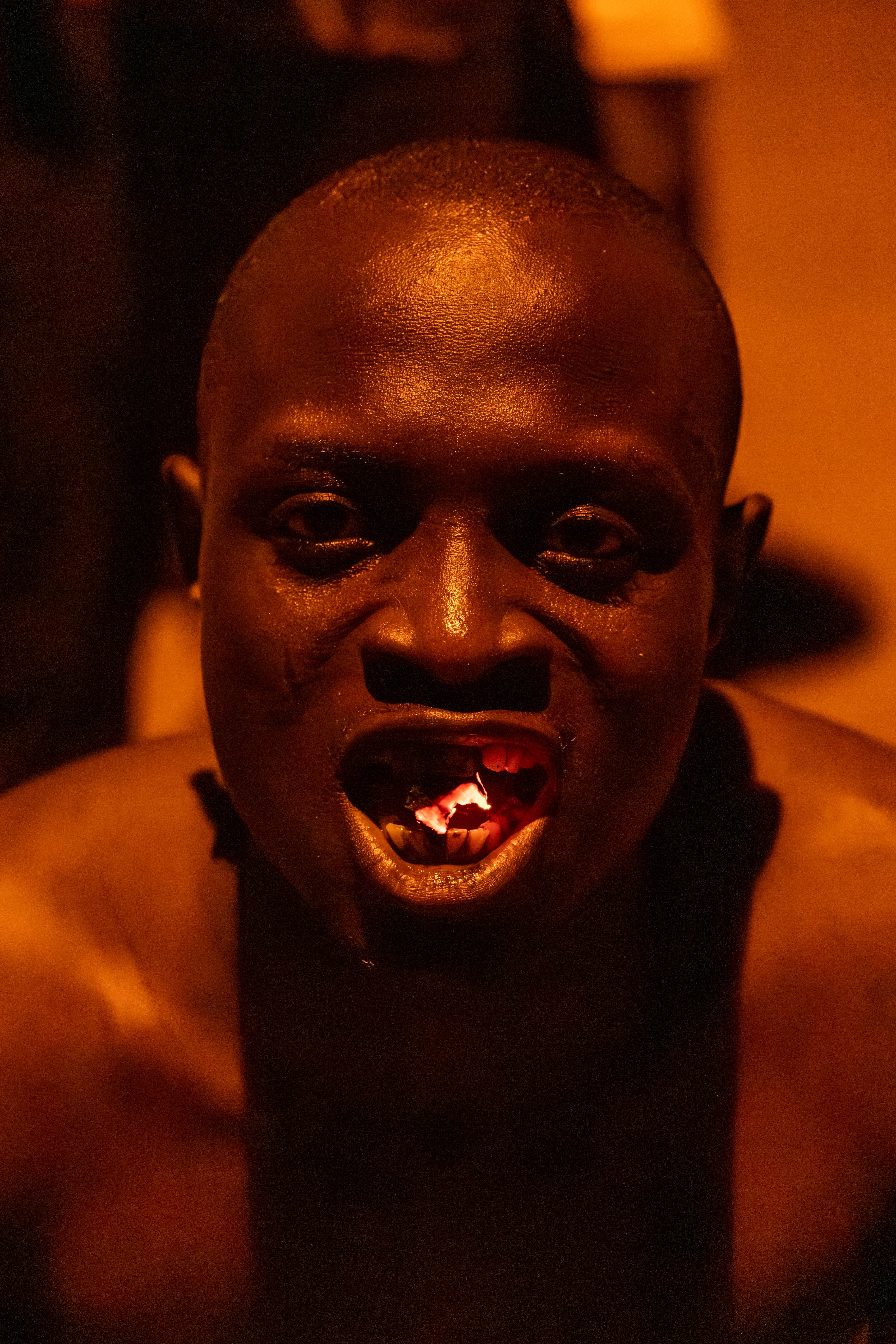 |
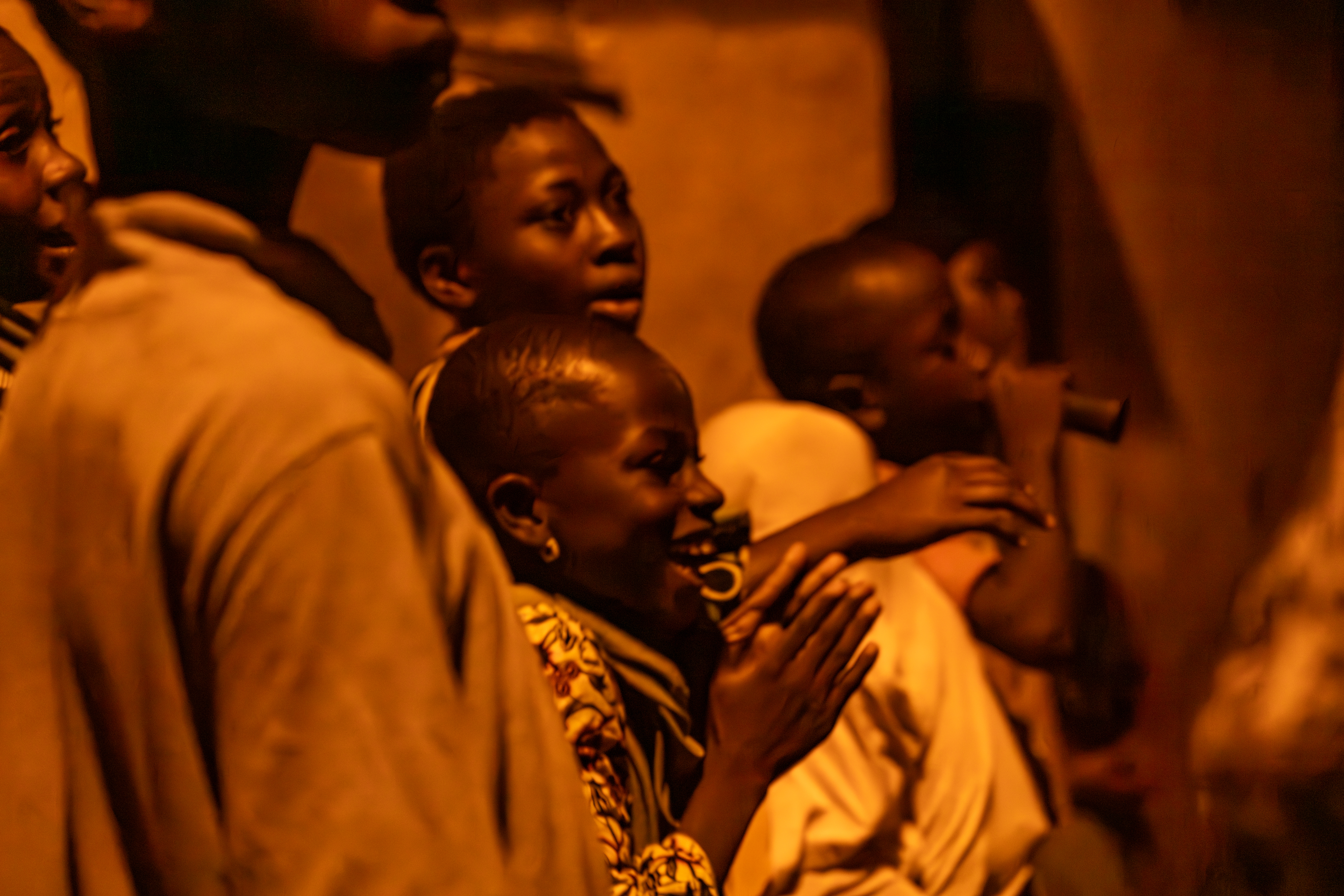
He might have mis-remembered the show, but we think his idea was correct anyway, as in one of the photos we saw what we think was some melted wax on the guy’s arm. But as to the two guys chewing on embers, we have no clue. Maybe a lot of drugs. The whole show was only 15-20 minutes, but it seemed about the correct amount of time. The neighborhood was as enthralled as we were. We’d never seen anything quite like this, including some of the fire dance stuff we’d seen in Hawaii. We got back to the hotel a little after 21:00, the power was working, our room was actually cold, and we called it an early night.
| Previous Entry |